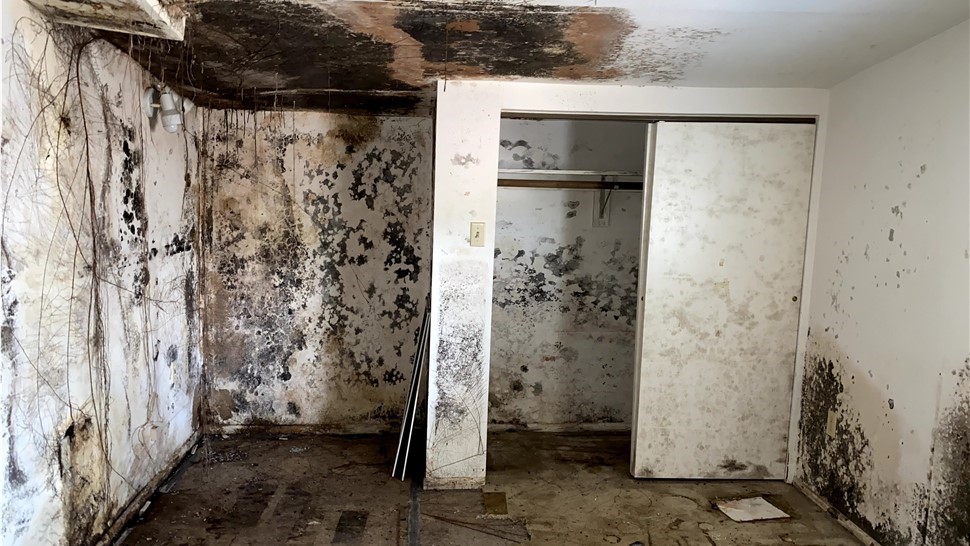
Black Mold in Cocoa Beach: What Cocoa Area Property Owners Should Know
Living in Cocoa Beach means coastal breezes, warm weather, and ocean views—but it also means constant moisture exposure. High humidity, salt air, heavy rain, and year-round air conditioning create conditions where mold can develop quickly inside homes and buildings. Among the different types of mold property owners worry about, black mold tends to cause the most concern, often because it’s misunderstood or discovered only after moisture problems have been present for some time.
For property owners in Cocoa Beach and surrounding Brevard County areas, understanding what black mold really is, why it appears, and how it should be handled helps prevent unnecessary stress and costly mistakes. Mold issues are manageable when approached calmly and correctly—especially in Florida’s climate.
What People Mean by “Black Mold”
The term “black mold” is commonly used to describe dark-colored mold growth found on building materials such as drywall, wood, or insulation. In many cases, people use the term based on appearance alone, not laboratory identification.
In Cocoa Beach homes, dark mold growth often appears where moisture has been present for extended periods. While color alone does not define the type of mold, black-colored growth is always a sign of an underlying moisture problem that needs attention.
What matters most is not the name, but why the mold is growing and how far it has spread.
Why Black Mold Is Common in Cocoa Beach Properties
Cocoa Beach properties face environmental conditions that make mold growth more likely than in many inland areas.
High coastal humidity keeps indoor moisture levels elevated, even in air-conditioned spaces.
Salt air exposure can accelerate wear on roofs, windows, and HVAC components, increasing moisture intrusion risk.
Heavy rain and storms regularly test building exteriors, allowing water into walls or ceilings through small openings.
Year-round AC use creates condensation inside air handlers, drain pans, and ductwork.
Vacation or seasonal homes may sit unoccupied, allowing humidity to rise when systems are turned down.
These factors allow mold—black or otherwise—to develop quietly over time.
Common Places Black Mold Is Found in Cocoa Beach Homes
Black mold often appears in areas where moisture lingers and airflow is limited.
Common locations include:
- Behind drywall near exterior walls or windows
- Bathrooms and laundry rooms with poor ventilation
- Above ceilings where roof leaks or AC condensation occur
- Inside HVAC systems and around vents
- Under flooring after water damage or plumbing leaks
- Closets and storage areas with limited airflow
Because many of these areas are hidden, mold can grow for months before it’s noticed.
Signs That Black Mold May Be Present
Black mold does not always appear as obvious growth. In many cases, property owners notice indirect signs first.
Common indicators include:
- Persistent musty or earthy odors
- Dark staining on walls, ceilings, or baseboards
- Bubbling paint or peeling drywall
- Water stains near vents or windows
- Areas that feel damp or humid
When these signs appear, it usually means moisture has been present long enough for mold to develop.
Why DIY Black Mold Cleanup Often Fails
Many Cocoa Beach property owners attempt to clean black mold using bleach or household cleaners. While this may remove surface discoloration, it rarely solves the underlying problem.
DIY cleanup often fails because it:
- Removes visible mold but not growth inside materials
- Does not correct the moisture source
- Can spread spores during scrubbing
- Misses contamination in HVAC systems or wall cavities
In Florida’s humid climate, mold almost always returns when moisture problems remain unaddressed.
How Black Mold Is Properly Identified
Visual appearance alone cannot confirm the type of mold present. When identification is needed, professional mold inspections may include surface or air sampling.
Testing is commonly used when:
- Mold is suspected but not visible
- Multiple areas are affected
- Documentation is needed for property decisions
- There is uncertainty about the extent of growth
Results are used to guide remediation—not to create alarm.
The Correct Approach to Black Mold Removal
Proper black mold removal focuses on safety, thoroughness, and long-term prevention.
Professional remediation typically includes:
Containment
Isolating affected areas to prevent spore spread.
Removal of contaminated materials
Safely removing or treating mold-affected drywall, insulation, or flooring.
Cleaning and air filtration
Using HEPA filtration and detailed cleaning to reduce airborne spores.
Moisture correction
Repairing leaks, addressing HVAC condensation, and improving ventilation.
Drying and verification
Ensuring the area is dry and no longer supports mold growth.
This approach ensures mold is removed properly—not just hidden.
Preventing Black Mold in Cocoa Beach Homes
Prevention is especially important in coastal environments like Cocoa Beach.
Helpful prevention steps include:
- Maintaining HVAC systems and drain lines
- Monitoring indoor humidity levels
- Using proper ventilation in bathrooms and kitchens
- Promptly repairing roof, plumbing, or window leaks
- Inspecting ceilings and mechanical areas after storms
- Keeping airflow moving in closets and storage spaces
Consistent moisture control is the most effective way to prevent black mold.
Why Local Cocoa Beach Mold Experience Matters
Black mold issues in Cocoa Beach are influenced by coastal humidity, salt air, and storm exposure. Local experience helps professionals recognize where mold commonly hides and how moisture behaves in area homes.
Cocoa Mold Removal brings this local knowledge, allowing problems to be identified accurately and addressed in a way that prevents repeat growth.
A Calm, Practical Next Step
If you own property in Cocoa Beach and suspect black mold—or have noticed moisture issues—it’s important to focus on understanding the cause rather than reacting to the name. A professional evaluation can identify moisture problems, determine the extent of mold growth, and guide appropriate next steps.
Addressing mold early helps protect your property, reduce repair costs, and maintain a comfortable living environment in Florida’s coastal climate.
Relevant Images for This Article