Why Mold Keeps Coming Back in Sharpes: What Cocoa Area Property Owners Should Know
Many homeowners in Sharpes become frustrated after cleaning mold only to see it return weeks or months later. A wall is wiped down, stained areas are painted, or cabinets are cleaned, and the problem appears gone — until that familiar musty smell or dark spotting comes back.
Across Sharpes and nearby communities like Cocoa, West Cocoa, Cocoa Beach, Port St. John, and Canaveral Groves, mold inspections often reveal that recurring mold problems are caused by hidden moisture issues rather than poor cleaning. Mold rarely comes back without a reason. When it reappears, it usually means moisture remains somewhere in the home.
Understanding why mold keeps returning helps property owners address the true cause instead of repeatedly treating the symptoms.
Why Mold Returns After Cleaning
Mold needs moisture to survive. When mold reappears, it almost always means moisture remains or has returned.
Many homeowners clean visible mold but unknowingly leave moisture trapped behind surfaces. Mold roots often grow inside porous materials such as drywall, wood, or insulation. Cleaning only the surface may remove visible staining while leaving mold embedded inside materials.
Once humidity rises again or moisture returns, mold grows back.
In Florida’s climate, this cycle happens easily if moisture sources are not corrected.
Why Homes in Sharpes Experience Recurring Mold Problems
Several local conditions make mold recurrence common throughout Brevard County.
High Year-Round Humidity
Humidity remains elevated for much of the year. Even homes with air conditioning sometimes trap moisture indoors.
Frequent Rain and Storm Events
Storms sometimes create minor leaks that go unnoticed, allowing moisture to re-enter homes repeatedly.
AC Condensation Issues
Air conditioning systems can develop condensation leaks or clogged drain lines that create ongoing moisture problems.
Older Homes with Hidden Damage
Some homes contain past water damage that was repaired cosmetically but never fully dried.
Homes Closed for Long Periods
Homes left unoccupied sometimes trap humidity indoors, allowing mold to grow again.
Because these conditions are common locally, mold problems often reappear without homeowners realizing why.
Common Situations Where Mold Keeps Returning
In many Sharpes homes, professionals encounter recurring mold problems in familiar locations.
Mold on Walls That Reappears After Painting
Painting over mold stains without removing contaminated materials often allows mold to return.
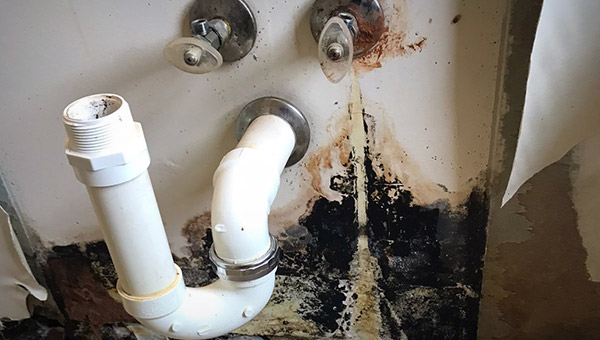
Mold Under Sinks That Keeps Coming Back
Slow plumbing leaks sometimes continue behind cabinets even after cleaning.
Mold Around Air Vents That Returns
Condensation or duct leaks sometimes allow mold growth to recur near vents.
Closet Mold That Reappears
Closets with poor airflow often trap humidity, allowing mold to return after cleaning.
Bathroom Mold That Never Fully Goes Away
Bathrooms without proper ventilation frequently experience recurring mold growth.
When mold repeatedly appears, hidden moisture is usually present.
Hidden Moisture Problems That Cause Mold to Return
Recurring mold often comes from moisture homeowners don’t see.
Leaks Inside Walls
Small plumbing or roof leaks sometimes leave moisture trapped behind drywall.
Moisture Beneath Flooring
Water sometimes spreads beneath flooring materials after spills or flooding.
Attic or Ceiling Moisture
Poor attic ventilation sometimes allows humidity to affect ceilings.
HVAC Condensation
Condensation near air handlers sometimes creates ongoing damp areas.
Exterior Wall Moisture Intrusion
Rainwater sometimes seeps through siding or window seals.
Because these areas are hidden, mold often grows without being noticed until it spreads.
Why DIY Cleaning Often Leads to Recurring Mold
Homeowners often try to solve mold problems themselves, but certain cleaning approaches make recurrence likely.
Common DIY mistakes include:
- Cleaning only visible mold
- Using bleach on porous materials
- Painting over stains
- Ignoring underlying moisture sources
- Using fans that spread spores
- Installing new materials without drying affected areas
Bleach and cleaners may remove surface mold but do not kill mold roots embedded inside materials.
Without moisture correction, mold growth returns.
How Professional Mold Inspections Identify Recurring Problems
Professional inspections focus on finding why mold keeps coming back.
A typical inspection may include:
Visual Examination
Inspectors examine areas with repeated mold growth and surrounding spaces.
Moisture Detection Equipment
Meters and thermal imaging tools help locate hidden dampness.
Air Sampling When Necessary
Air tests sometimes reveal elevated mold levels indoors.
Surface Sampling if Needed
Samples confirm mold presence when growth is suspected but unclear.
Professionals familiar with Brevard County homes, including Cocoa Mold Removal, often recognize recurring mold patterns quickly due to experience with local construction and climate conditions.
How Professional Remediation Prevents Mold From Returning
Professional remediation addresses both mold growth and moisture sources.
Typical remediation steps include:
Containment Setup
Affected areas are sealed to prevent spores from spreading during cleanup.
Removal of Contaminated Materials
Drywall, insulation, or flooring may need removal if mold has penetrated surfaces.
Cleaning and Air Filtration
HEPA filtration and specialized cleaning reduce airborne spores.
Moisture Source Correction
Leaks, ventilation issues, or humidity problems are corrected to prevent recurrence.
Proper remediation focuses on long-term prevention rather than cosmetic cleanup.
Preventing Mold from Returning in Sharpes Homes
Homeowners can reduce recurring mold problems through maintenance.
Helpful prevention measures include:
- Maintain indoor humidity below 60% when possible
- Repair leaks immediately
- Service AC systems annually
- Use bathroom and kitchen exhaust fans
- Improve airflow in closets and storage areas
- Inspect attics after storms
- Check plumbing regularly
- Use dehumidifiers in damp areas
- Avoid storing damp items indoors
Routine inspections help catch moisture problems early.
Why Local Experience Matters
Homes in Sharpes and surrounding Cocoa-area communities face moisture challenges unique to Florida’s climate. Professionals familiar with local construction and humidity patterns often diagnose recurring mold problems faster than companies unfamiliar with the area.
Local experience helps ensure moisture sources are corrected rather than temporarily hidden.
A Calm Next Step for Property Owners
Mold rarely returns without a reason. When mold reappears after cleaning, hidden moisture is usually present somewhere in the home. Addressing the cause early helps prevent repeated damage and cleanup efforts.
If mold keeps returning despite cleaning, a professional inspection can help identify hidden moisture and determine what steps may be needed.
Homeowners in Sharpes who stay proactive about moisture control typically avoid recurring mold problems while maintaining healthier indoor environments.