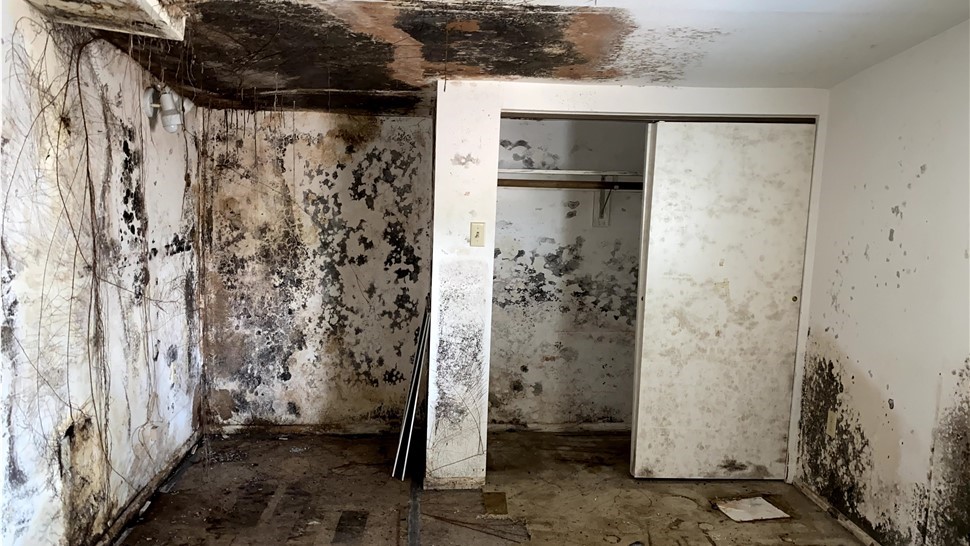
Why Mold Keeps Coming Back in Cocoa: What Cocoa Area Property Owners Should Know
If you own property in Cocoa, you’re not alone if you’ve asked this frustrating question: Why does mold keep coming back—even after cleaning it? Many Cocoa area property owners repeatedly wipe down visible mold, repaint stained areas, or run dehumidifiers, only to see the same musty smell or dark spots return weeks or months later.
The hard truth is this: recurring mold is almost never a cleaning problem. It’s a moisture problem—and in Florida’s climate, moisture is relentless. When mold keeps returning, it’s a sign that something deeper is going on inside the property, often out of sight.
This guide explains why mold repeatedly comes back in Cocoa homes and buildings, the most common hidden causes, early warning signs that the problem isn’t resolved, and what property owners need to understand to stop the cycle for good.
The Biggest Myth: “I Cleaned the Mold, So It’s Gone”
One of the most common misconceptions in Cocoa is that mold removal equals mold prevention.
In reality:
- Cleaning removes what you can see
- Mold grows from what you can’t see
- Mold will always return if moisture remains
Mold spores are always present in the air. If moisture conditions stay the same, mold simply grows back—often in the exact same place.
Cocoa’s Climate Is Mold-Friendly Year-Round
Cocoa’s environment creates constant mold pressure.
Key factors include:
- High humidity most of the year
- Long rainy seasons and summer storms
- Warm temperatures that accelerate mold growth
- Heavy air-conditioning use
- Coastal and near-coastal moisture influence
In many Cocoa homes, indoor humidity quietly stays above 60%, which is more than enough for mold to thrive—even without leaks or flooding.
Hidden Moisture: The #1 Reason Mold Returns
The most common reason mold keeps coming back is hidden moisture.
Typical hidden moisture sources include:
- Slow plumbing leaks inside walls
- Roof leaks that only show after heavy rain
- Condensation inside wall cavities
- Slab moisture rising through concrete
- HVAC condensation problems
- Poor drainage around foundations
Because these sources are hidden, property owners often fix the symptom (mold) instead of the cause (moisture).
Humidity Alone Can Cause Recurring Mold
In Cocoa, mold doesn’t always need a leak.
When indoor humidity stays high:
- Moisture condenses on cooler surfaces
- Walls and ceilings stay slightly damp
- Closets and corners trap humid air
- Mold regrows even after cleaning
Homes can feel cool and dry—but still be too humid for mold prevention.
Why Mold Comes Back in the Same Spots
Recurring mold often appears in the same locations because those areas stay damp.
Common repeat locations include:
- Bathroom ceilings
- Closets on exterior walls
- Laundry rooms
- Under windows
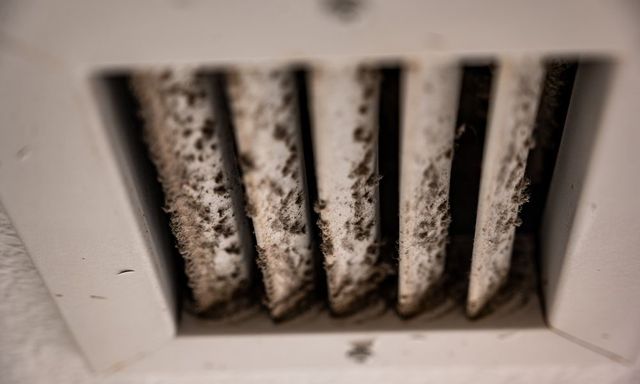
- Around HVAC vents
- Baseboards and lower walls
These areas typically have poor airflow, cooler surfaces, or ongoing moisture exposure.
HVAC Systems: A Hidden Mold Distributor
In many Cocoa homes, HVAC systems play a major role in recurring mold.
Common HVAC-related causes include:
- Clogged condensate drain lines
- Dirty evaporator coils
- Mold growth inside air handlers
- Ductwork condensation
- Oversized systems that short-cycle
When mold grows in HVAC components, spores are distributed throughout the home—allowing mold to reappear in multiple areas.
Why Painting Over Mold Never Works
Painting is one of the most common “fixes” that fails.
Why?
- Paint does not stop moisture
- Mold continues growing behind paint
- Moisture pushes mold back through coatings
If mold returns through fresh paint, it’s a strong sign that the underlying moisture problem was never addressed.
Mold Behind Walls: The Problem You Can’t See
In Cocoa homes, some of the worst mold problems are hidden.
Hidden mold often grows:
- Inside drywall
- On the back of baseboards
- Behind cabinets and vanities
- Inside insulation
- Behind tile and flooring
By the time mold becomes visible, it has often been spreading for months.
Condensation Is a Silent Mold Trigger
Condensation is one of the most overlooked causes of recurring mold.
Common condensation sources include:
- Cold air ducts in humid spaces
- Exterior walls cooled by AC
- Windows and sliders
- Plumbing lines
Condensation doesn’t look dramatic—but over time, it feeds persistent mold growth.
Storms and Repeated Moisture Exposure
Cocoa properties are exposed to frequent storms.
After storms:
- Materials may not fully dry
- Moisture gets trapped behind walls
- Humidity stays elevated
Many recurring mold cases trace back to storm moisture that was never completely dried.
Why DIY Mold Removal Often Makes It Worse
DIY cleanup can actually help mold spread.
Risks include:
- Disturbing mold and releasing spores
- Spreading contamination to other rooms
- Missing hidden growth
- Ignoring moisture sources
Cleaning visible mold without containment often allows mold to come back stronger and in new locations.
Early Warning Signs Mold Will Return Again
If you notice these signs, the root problem likely remains:
- Musty odors returning after cleaning
- Mold reappearing in the same area
- Mold spreading to new areas
- Odors that worsen when AC runs
- High indoor humidity readings
- Allergy symptoms that never fully resolve
Recurring odors are the biggest red flag.
Why Mold Comes Back Faster Each Time
Each recurrence can worsen the problem.
Why?
- Mold reservoirs grow larger
- More spores circulate indoors
- Moisture exposure continues
- Building materials degrade
What starts as a small spot can eventually become a whole-house issue.
Mold and Indoor Air Quality
Recurring mold affects more than surfaces.
As mold spreads:
- Indoor air quality declines
- Spores circulate through HVAC systems
- Occupant exposure increases
Health symptoms often worsen with repeated exposure.
Mold in Rental Properties: A Common Recurrence Issue
For landlords in Cocoa, recurring mold is especially risky.
Common mistakes include:
- Repainting without drying
- Ignoring tenant humidity habits
- Delayed plumbing repairs
- No post-storm inspections
Recurring mold can lead to habitability complaints and legal exposure.
Why “Bleach Solutions” Don’t Solve the Problem
Bleach is often misused on mold.
Problems with bleach include:
- It doesn’t penetrate porous materials
- It leaves moisture behind
- Mold regrows beneath the surface
Bleach may make mold disappear briefly—but it often returns quickly.
How Professionals Stop Mold From Coming Back
Stopping recurring mold requires a different approach.
Effective solutions focus on:
- Identifying moisture sources
- Measuring indoor humidity
- Locating hidden mold reservoirs
- Improving airflow and ventilation
- Correcting HVAC issues
- Ensuring materials fully dry
Without addressing why mold grew, remediation will never last.
What Property Owners Can Do Differently
Monitor Indoor Humidity
Keep indoor humidity between 30% and 50%.
Fix Moisture Quickly
Address leaks and condensation immediately.
Maintain HVAC Systems
Clean drain lines, coils, and filters regularly.
Inspect After Storms
Check hidden areas after heavy rain.
Don’t Ignore Odors
Musty smells are early warnings, not minor nuisances.
Long-Term Risks of Ignoring Recurring Mold
If recurring mold is ignored, property owners may face:
- Structural damage
- Costly remediation
- HVAC contamination
- Reduced property value
- Health complaints
Recurring mold problems rarely resolve on their own.

Final Thoughts for Cocoa Area Property Owners
If mold keeps coming back in your Cocoa property, it’s not bad luck—and it’s not because you didn’t clean hard enough. It’s because the conditions that allow mold to grow are still present.
In Cocoa’s humid climate, mold prevention isn’t about eliminating spores—it’s about controlling moisture, humidity, and airflow. Property owners who stop focusing on surface fixes and start addressing hidden moisture sources are the ones who finally break the mold cycle.
Recurring mold is a warning sign. The sooner it’s taken seriously, the easier—and less expensive—it is to fix for good.