Salt Air and Mold Growth in Sharpes: What Cocoa Area Property Owners Should Know
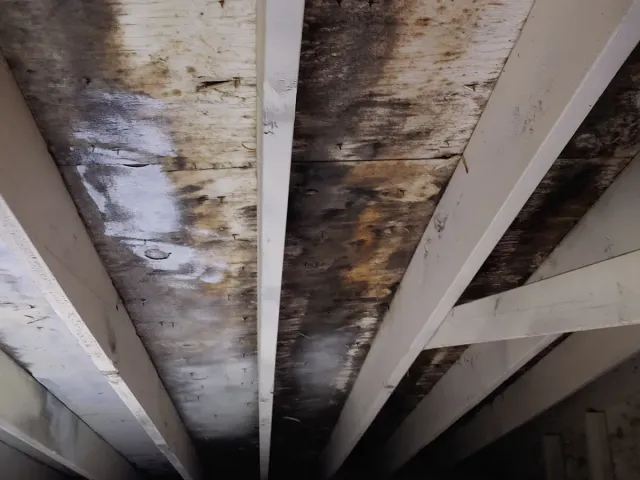
Living near the coast has its perks, but in Sharpes, salt air quietly adds another challenge for property owners: persistent moisture that encourages mold growth. Many homeowners are surprised to learn that salt air itself doesn’t create mold—but it holds moisture longer, slows drying, and increases condensation, which gives mold the conditions it needs to grow indoors.
For homeowners, landlords, and property managers in Sharpes and the surrounding Cocoa Area, understanding how salt air affects indoor moisture is key to preventing recurring mold problems. In Florida’s coastal climate, mold isn’t about cleanliness—it’s about managing moisture that never fully goes away.
Why Salt Air Changes Moisture Behavior Indoors
Salt air carries microscopic salt particles that attract and retain moisture from the air. This doesn’t mean everything feels wet—but it does mean surfaces stay slightly damp for longer periods, especially overnight and early morning.
In Sharpes, salt air can:
- Increase ambient humidity near the home
- Slow evaporation on walls and floors
- Extend the life of condensation on cool surfaces
- Keep materials from fully drying after rain or AC use
That extra time spent damp is often all mold needs.
Salt Air Doesn’t Cause Mold—Moisture Does
A common misconception is that salt air “creates” mold. The reality is simpler.
Mold grows when:
- Moisture is present
- Temperatures are warm
- Airflow is limited
Salt air contributes by holding moisture in place, not by introducing mold itself. When indoor humidity stays elevated—even slightly—mold can grow without any leaks or flooding.
How Salt Air Enters Sharpes Homes
Salt-laden air doesn’t stay outside. It gets indoors through everyday pathways:
- Doors and windows opening
- Small air leaks around frames and seals
- HVAC systems pulling in outside air
- Attics and wall cavities
- Garages and utility spaces
Once inside, that moisture settles into cooler, enclosed areas—exactly where mold tends to start.
Condensation: Salt Air’s Biggest Side Effect
Condensation is one of the most common moisture sources in coastal homes.
Salt air increases condensation on:
- AC vents and ductwork
- Windows and sliding glass doors
- Exterior-facing walls
- Tile and slab floors
- Metal plumbing lines
Because salt air slows drying, condensation lasts longer—sometimes long enough for mold to begin growing quietly behind surfaces.
Slab Foundations and Salt Air Moisture
Many Sharpes homes sit on concrete slabs, which interact closely with moisture.
Near coastal air:
- Ground moisture stays higher
- Vapor rises through the slab
- Flooring traps moisture underneath
- Drying slows after rain
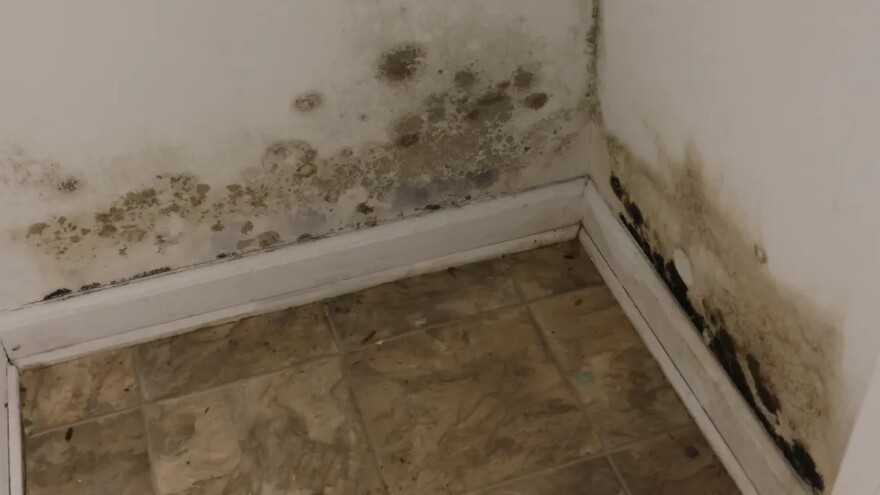
This often leads to hidden mold growth beneath tile, vinyl, or laminate, which later shows up as odors or baseboard staining.
Rooms Most Affected by Salt Air Mold Conditions
Certain areas are consistently more vulnerable in salt-air environments:
- Closets on exterior walls
- Bedrooms facing prevailing breezes
- Bathrooms and laundry rooms
- Kitchens and under-sink cabinets
- Garages and storage rooms
- HVAC closets and air handlers
These spaces combine moisture, cooler surfaces, and limited airflow.
Why Closets Are a Common Starting Point
Closets are one of the first places mold appears in Sharpes homes.
Salt air contributes because:
- Exterior walls stay cooler
- Air circulation is limited
- Clothing blocks airflow
- Humidity gets trapped when doors stay closed
Mold often grows behind stored items, unnoticed until odors spread.
HVAC Systems Work Harder Near the Coast
Air conditioning is your main moisture-control tool—but salt air makes HVAC systems work harder.
Common coastal HVAC issues include:
- Condensation buildup in drain pans
- Clogged condensate lines
- Moisture on evaporator coils
- Duct sweating during humid periods
If HVAC moisture isn’t managed, mold conditions can spread through the entire home via airflow.
Why Turning the AC Off Makes Salt Air Problems Worse
Some homeowners turn off the AC to save energy. In coastal Sharpes homes, this often backfires.
When AC stops:
- Indoor humidity rises quickly
- Salt air moisture lingers
- Surfaces absorb moisture
- Closets and cabinets stay damp
Consistent AC operation helps remove moisture, not just cool the air.
Odors: The First Warning Sign of Salt-Air Mold
Musty or damp odors are often the earliest clue that salt air moisture is causing problems.
Persistent odors usually indicate:
- Hidden mold growth
- Moisture trapped behind walls or floors
- HVAC-related humidity issues
Odors mean conditions are right for mold—even if nothing is visible yet.
Why DIY Mold Cleaning Doesn’t Work Long-Term
Wiping visible mold doesn’t change moisture behavior.
DIY methods fail because they:
- Remove symptoms, not moisture
- Leave damp materials behind
- Miss hidden growth
- Allow mold to return
In salt-air environments, mold almost always comes back unless humidity and condensation are controlled.
What a Professional Mold Inspection Looks for in Salt-Air Homes
A proper inspection focuses on how moisture behaves, not just where mold is seen.
It may include:
- Indoor humidity measurements
- Moisture readings inside walls and floors
- Slab-level moisture evaluation
- HVAC inspection
- Condensation pattern analysis
In Sharpes, inspections often reveal humidity-driven mold, not major leaks.
When Mold Testing Helps
Mold testing isn’t always required, but it can be useful when:
- Odors persist without visible mold
- Multiple rooms are affected
- HVAC involvement is suspected
- Documentation is needed
Testing supports inspection findings—it doesn’t replace moisture control.
Practical Ways to Reduce Salt-Air Mold Risk
Salt air can’t be eliminated—but its effects can be managed.
Effective strategies include:
- Keeping indoor humidity below ~55%
- Running AC consistently year-round
- Using dehumidifiers when needed
- Ensuring exhaust fans work properly
- Improving airflow in closets and storage areas
- Sealing air leaks around doors and windows
- Monitoring slab-level areas after heavy rain
Small, consistent steps make a big difference.
How Salt Air Mold Affects Property Value
Buyers are often cautious with coastal properties.
Salt-air mold concerns can affect value by:
- Creating uncertainty during inspections
- Raising concerns about hidden moisture
- Triggering repair credits or delays
Homes with documented inspections and moisture control measures maintain value far better than those with unresolved humidity issues.
Why Local Sharpes Experience Matters
Mold behaves differently near the coast. Sharpes homes deal with salt air, slab foundations, higher humidity, and slower drying that change how mold develops.
Professionals familiar with Sharpes understand where salt-air mold typically starts and how to manage moisture effectively. Cocoa Mold Removal brings this local knowledge, helping property owners prevent recurring mold instead of reacting to it.
A Practical Takeaway for Property Owners
Salt air doesn’t mean mold is inevitable—but it does mean moisture management is essential. In Sharpes, salt air holds moisture longer, increases condensation, and slows drying, creating ideal mold conditions if humidity isn’t controlled.
By keeping AC systems running consistently, monitoring humidity, improving airflow, and responding early to odors or dampness, property owners can protect their homes from salt-air-related mold and enjoy coastal living without constant mold concerns.
Relevant Images for This Article