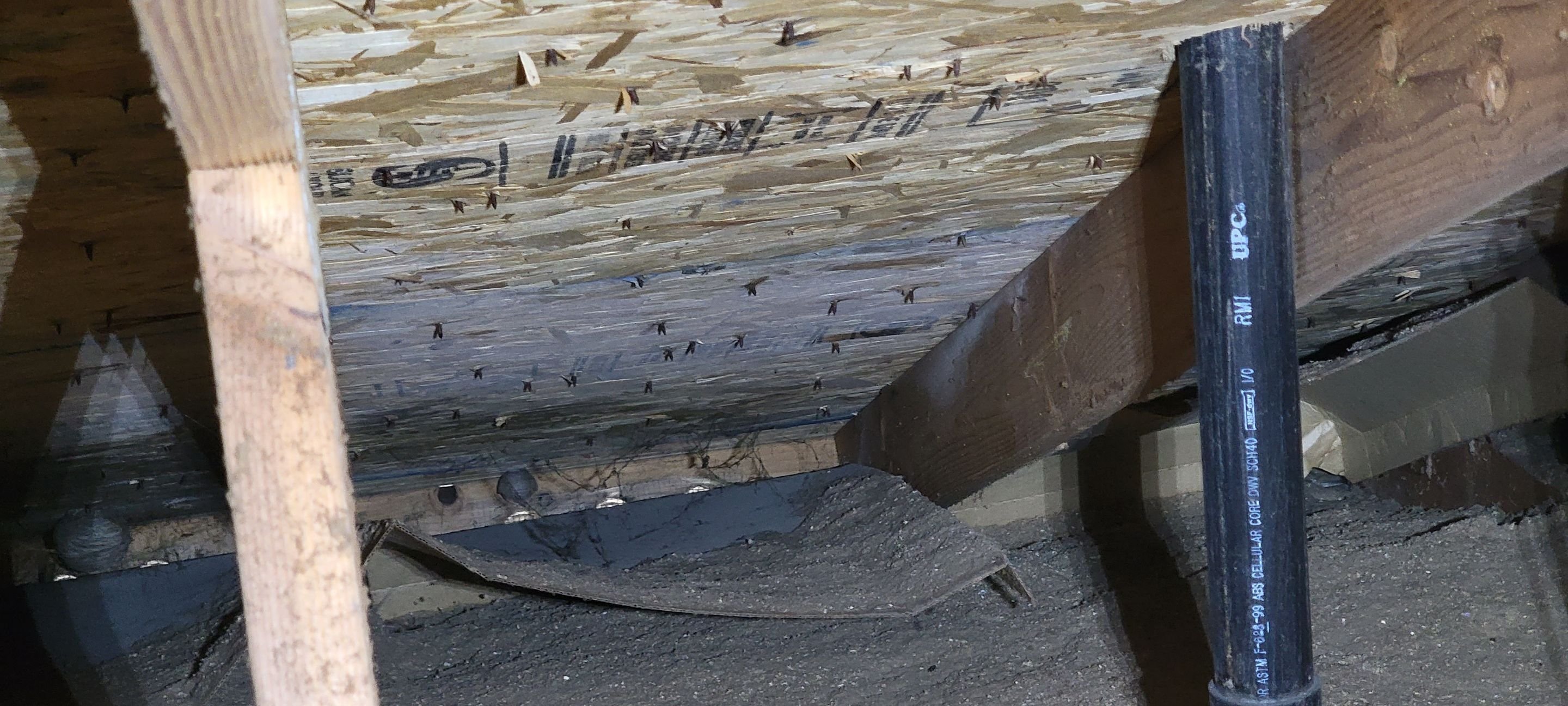
Salt Air and Mold Growth in Cocoa: What Cocoa Area Property Owners Should Know
Living near the coast in Cocoa has its perks—ocean breezes, warmer winters, and a relaxed lifestyle. But those same coastal conditions also introduce a less visible challenge: salt air. Many property owners focus on humidity and rain when thinking about mold, yet salt air quietly plays a major role in how and where mold develops in coastal Florida homes.
Salt air doesn’t directly create mold, but it changes how moisture behaves, how building materials age, and how quickly conditions become mold-friendly. Understanding this connection helps Cocoa homeowners spot risks earlier, prevent recurring mold problems, and protect their property over the long term.
What “Salt Air” Really Means for Cocoa Homes
Salt air refers to microscopic salt particles carried inland by coastal winds. Even homes several miles from the shoreline are affected. These particles settle on exterior and interior surfaces and slowly accumulate over time.
In Cocoa, salt air exposure is constant due to:
- Proximity to the Atlantic Ocean
- Coastal wind patterns
- High evaporation rates from nearby waterways
- Frequent storms pushing salt inland
While salt itself doesn’t cause mold, it attracts and holds moisture, creating conditions mold needs to grow.
How Salt Air Changes Moisture Behavior Indoors
Salt is hygroscopic, meaning it pulls moisture from the air. When salt particles settle on surfaces, they encourage condensation and prolonged dampness—even when humidity levels don’t seem extreme.
This leads to:
- Surfaces staying damp longer
- Slower drying after rain or humidity spikes
- Increased condensation on cooler materials
In Cocoa homes, salt air essentially amplifies normal humidity issues, making mold more likely to develop and persist.
Salt Air and Condensation Go Hand in Hand
Condensation is one of the most common mold triggers in coastal homes, and salt air increases how often it occurs.
Condensation commonly forms:
- Around windows and sliding glass doors
- On metal fixtures and fasteners
- On HVAC vents and ductwork
- Along exterior walls
Salt residue on these surfaces attracts moisture repeatedly, creating a cycle where condensation forms, dries slowly, and returns—ideal conditions for mold growth.
Why Windows and Doors Are Mold Hotspots
Windows and doors are frequent problem areas in Cocoa homes, especially those facing coastal winds.
Salt air contributes to mold here by:
- Breaking down seals and caulking faster
- Allowing moisture intrusion during storms
- Increasing condensation on frames and tracks
Mold near windows is often mistaken for a cleaning issue, but the real problem is moisture lingering where salt air has weakened protective barriers.
Salt Air Accelerates Wear on Building Materials
One overlooked effect of salt air is how quickly it degrades materials meant to keep moisture out.
Over time, salt air can:
- Corrode metal fasteners and framing components
- Break down exterior coatings and paint
- Compromise window and door seals
- Reduce effectiveness of vapor barriers
As materials deteriorate, moisture finds new paths into wall cavities, attics, and ceilings—places where mold grows unnoticed.
Attics Are Especially Vulnerable in Coastal Areas
Attics in Cocoa homes often experience higher humidity due to salt air and coastal moisture patterns.
Salt air affects attics by:
- Increasing moisture content in incoming air
- Slowing evaporation from insulation and wood
- Encouraging condensation on roof decking
Attic mold is one of the most common salt-air-related mold problems and is frequently discovered only during inspections or when odors spread into living spaces.
HVAC Systems and Salt Air Exposure
Air conditioning systems are essential in Cocoa, but salt air adds extra stress to HVAC components.
Salt air can:
- Corrode coils and metal parts
- Increase condensation buildup
- Degrade insulation on ductwork
- Contribute to clogged drain systems
When HVAC components stay damp or corroded, mold conditions can develop and spread through air circulation.
Slab Foundations and Salt Air Moisture
Many Cocoa homes are built on slab foundations. Salt air doesn’t just affect upper areas—it also influences ground-level moisture behavior.
Salt air combined with coastal soil moisture can:
- Slow drying of concrete slabs
- Increase moisture migration into flooring materials
- Create damp conditions near baseboards
Mold near lower walls or under flooring is often linked to this slow, persistent moisture exposure.
Closets and Enclosed Spaces Feel the Impact First
Salt air-related mold often shows up first in closets, cabinets, and storage areas.
These spaces are vulnerable because:
- Airflow is limited
- Exterior walls are cooler
- Salt residue attracts moisture
- Humidity becomes trapped
Closet mold is frequently discovered through odors rather than visible growth.
Why Mold Appears Without Obvious Water Damage
One of the most confusing things for Cocoa homeowners is finding mold with no clear leak or spill.
Salt air contributes by:
- Keeping surfaces slightly damp long-term
- Increasing condensation frequency
- Slowing natural drying
Mold grows quietly under these conditions, often behind walls or inside materials before any surface signs appear.
Storms Make Salt Air Mold Risks Worse
Coastal storms dramatically increase salt air exposure. Wind-driven rain carries salt deeper inland and forces moisture into small openings.
After storms:
- Salt residue increases on surfaces
- Indoor humidity spikes
- Drying takes longer
- Power outages reduce AC use
Mold frequently appears days or weeks after storms, once moisture and salt air have had time to interact.
DIY Mold Cleanup Doesn’t Address Salt Air Effects
Surface cleaning may remove visible mold, but it does not stop salt air from continuing to attract moisture.
DIY cleanup fails because:
- Moisture conditions remain unchanged
- Salt residue continues to pull moisture
- Hidden mold is untouched
In coastal homes, mold often returns quickly if underlying moisture patterns aren’t addressed.
Odors Are Often the First Sign of Salt-Air Mold
Musty odors are a common early warning sign in Cocoa homes affected by salt air.
Odors often:
- Appear strongest in the morning
- Increase after storms
- Worsen when AC systems run
These smells usually indicate hidden moisture and mold growth influenced by salt air conditions.
Salt Air, Mold, and Property Value
In coastal areas like Cocoa, buyers and inspectors are especially alert to mold and moisture issues.
Salt air-related mold can:
- Raise inspection concerns
- Lower buyer confidence
- Trigger negotiation pressure
Properly addressed and documented mold issues, however, typically have far less impact on long-term property value.
Why Professional Evaluation Matters in Coastal Homes
Salt air changes how mold problems develop and where they hide. Professional evaluation focuses on understanding these patterns rather than just treating symptoms.
A proper evaluation looks at:
- Moisture behavior over time
- HVAC performance
- Attic and wall conditions
- Areas where salt air causes deterioration
Local providers like Cocoa Mold Removal understand how salt air affects homes in Cocoa and Brevard County and where mold problems most often start.
Preventing Salt-Air-Related Mold in Cocoa Homes
Because salt air exposure is constant, prevention must be consistent.
Effective prevention strategies include:
- Maintaining steady indoor humidity
- Running AC systems consistently
- Inspecting windows and door seals regularly
- Monitoring attics and closets
- Addressing condensation early
- Avoiding extended vacancy without climate control
Prevention focuses on moisture control, not just cleaning.
Vacant Homes Are at Higher Risk
Homes left vacant near the coast experience faster humidity buildup and slower drying.
During vacancy:
- Salt air continues to enter the home
- Moisture accumulates quietly
- Mold conditions develop quickly
Maintaining climate control during vacancy is critical in Cocoa.
Why Local Cocoa Experience Matters
Salt air mold issues behave differently than inland mold problems. Professionals familiar with Cocoa understand:
- How far inland salt air reaches
- Which materials fail first
- Where mold typically develops in coastal homes
Local knowledge leads to more accurate diagnosis and longer-lasting solutions.
A Practical Takeaway for Property Owners
Salt air is an invisible but powerful contributor to mold growth in Cocoa homes. It doesn’t cause mold on its own, but it amplifies moisture problems, accelerates material wear, and makes drying harder—creating ideal conditions for mold to thrive.
Understanding this connection helps homeowners move beyond surface fixes and focus on what truly matters: moisture control, early detection, and consistent prevention.
For property owners who want clarity instead of guesswork, a knowledgeable local provider like Cocoa Mold Removal can help evaluate salt-air-related moisture risks, identify hidden mold conditions, and guide practical next steps—keeping Cocoa homes drier, more stable, and easier to protect in a coastal environment.