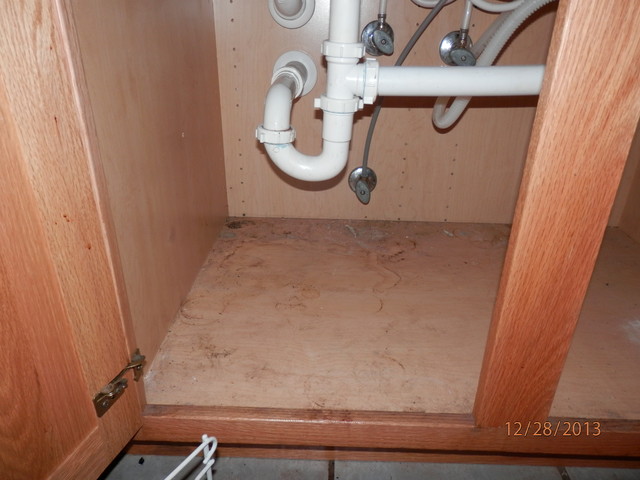
Mold Under Sinks in Canaveral Groves: What Cocoa Area Property Owners Should Know
Mold under sinks is one of the most common—and most underestimated—mold problems facing property owners in Canaveral Groves. Because the space beneath sinks is hidden, dark, and rarely inspected, moisture problems can go unnoticed for long periods. In Florida’s humid climate, even a small drip or condensation issue can quickly turn the area under a sink into a mold breeding ground.
For Cocoa area property owners, mold under sinks is not just a minor plumbing annoyance. It often signals ongoing moisture exposure that can spread mold into cabinets, walls, flooring, and even nearby rooms. Left unaddressed, this type of mold can impact indoor air quality, occupant health, and property value.
This guide explains why mold under sinks is so common in Canaveral Groves, how it develops, where it spreads, how it affects health and property, and what responsible property owners should do to prevent and address it properly.
Why Mold Under Sinks Is So Common in Canaveral Groves
Under-sink areas create nearly perfect conditions for mold growth—especially in Florida.
Key local and structural factors include:
- High year-round humidity
- Dark, enclosed cabinet spaces
- Plumbing connections prone to slow leaks
- Condensation on cold water lines
- Poor airflow inside cabinets
- Cabinets made from porous materials
Mold spores are always present in the air. Under sinks, all they need is persistent moisture, which is often present without obvious signs.
How Quickly Mold Can Develop Under Sinks
Many property owners assume mold takes a long time to grow. In reality:
- Mold can begin growing within 24–48 hours of moisture exposure
- Visible mold may appear within days after a leak or drip
- Hidden mold can spread behind cabinets and into walls before being noticed
In Canaveral Groves’ humid environment, drying delays greatly increase mold risk.
Common Causes of Mold Under Sinks
Mold under sinks almost always stems from moisture issues that are easy to miss.
Slow Plumbing Leaks
Loose fittings, worn seals, or aging pipes can leak slowly without obvious puddles.
Condensation on Pipes
Cold water lines often sweat in humid conditions, dripping moisture onto cabinet surfaces.
Drain Line Issues
Minor drain leaks or clogs can cause moisture buildup inside cabinets.
Past Water Damage
Previous leaks that were never fully dried can leave moisture trapped in cabinet materials.
Poor Cabinet Ventilation
Enclosed cabinets trap humidity, preventing moisture from evaporating.
Where Mold Commonly Spreads From Under Sinks
What starts as mold under a sink rarely stays there.
Cabinet Interiors
Cabinet floors, sidewalls, and backing panels absorb moisture and support mold growth.
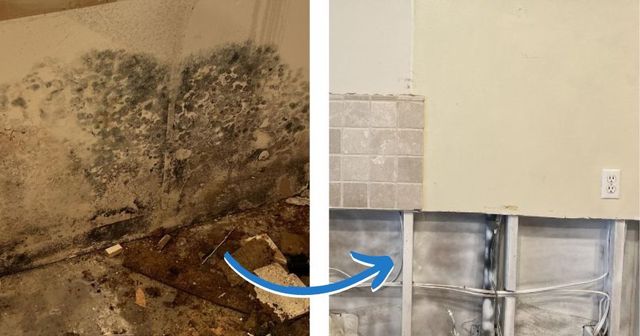
Behind Cabinet Walls
Mold often spreads into drywall behind cabinets, completely hidden from view.
Adjacent Flooring
Moisture can wick into flooring materials, especially laminate, wood, or carpet.
Baseboards and Wall Cavities
Mold can move upward and outward from the cabinet area.
Nearby Rooms
Airflow allows mold spores to spread beyond the cabinet space.
Why Mold Under Sinks Is Often Worse Than It Looks
Visible mold under a sink is usually just the surface symptom of a larger problem.
This type of mold is often worse because:
- Leaks may have been present for months
- Mold grows behind cabinets and walls
- DIY cleaning only treats visible areas
- Moisture problems persist
- Mold spreads silently
In many Canaveral Groves homes, under-sink mold is discovered only after significant damage has occurred.
Health Effects of Mold Under Sinks
Even though mold under sinks is hidden, it still affects indoor air quality.
Common health symptoms include:
- Sneezing, congestion, and itchy eyes
- Persistent coughing or throat irritation
- Headaches and fatigue
- Worsening asthma symptoms
- Allergy-like reactions indoors
Children, older adults, and individuals with allergies or respiratory conditions may be more sensitive.
If symptoms improve when leaving the home, hidden mold under sinks may be contributing.
Why DIY Mold Cleaning Under Sinks Often Fails
Many property owners attempt to clean mold under sinks using bleach or household cleaners. While this may remove stains temporarily, it rarely solves the problem.
Common DIY failures include:
- Cleaning visible mold but leaving hidden growth
- Ignoring ongoing leaks or condensation
- Spreading spores during scrubbing
- Failing to dry cabinet materials thoroughly
Without moisture control, mold almost always returns.
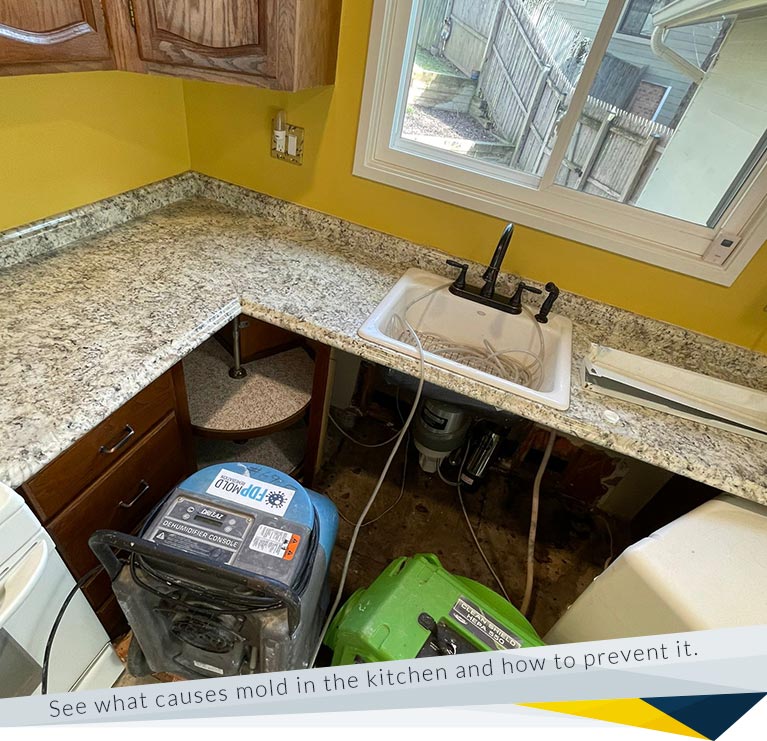
What Professional Mold Services Address Under Sinks
Professional mold services focus on both mold removal and moisture correction.
Professional evaluations may include:
- Moisture detection behind cabinets and walls
- Plumbing leak assessment
- Removal of contaminated cabinet materials
- Mold remediation inside wall cavities
- Drying and dehumidification
- Recommendations to prevent recurrence
This approach stops mold at the source rather than masking the symptoms.

When Mold Under Sinks Requires Immediate Action
Immediate professional attention is recommended when:
- Mold keeps returning after cleaning
- Cabinets feel soft, warped, or swollen
- Musty odors persist near sinks
- Plumbing leaks have occurred
- Mold spreads beyond the cabinet
- Occupants experience health symptoms
Delaying action allows mold to spread deeper into the structure.
Cost Risks of Ignoring Mold Under Sinks
Mold under sinks can become expensive when ignored.
Potential costs include:
- Cabinet replacement
- Drywall removal and repair
- Flooring replacement
- Plumbing repairs
- Full mold remediation
Early intervention is far less costly than repairing extensive damage.
Preventing Mold Under Sinks in Canaveral Groves
Because humidity and plumbing are unavoidable, prevention is essential.
Inspect Under Sinks Monthly
Look for moisture, staining, or musty odors.
Fix Leaks Immediately
Even slow drips should be treated as urgent.
Insulate Cold Water Lines
Pipe insulation reduces condensation.
Improve Cabinet Airflow
Occasionally leave cabinet doors open to allow drying.
Control Indoor Humidity
Maintain indoor humidity between 30% and 50%.
Use Moisture-Resistant Materials
When renovating, choose cabinet materials designed to resist moisture.
Mold Under Sinks in Rental and Multi-Unit Properties
For landlords and property managers, mold under sinks is a major liability risk.
Unchecked mold can lead to:
- Tenant health complaints
- Habitability disputes
- Costly remediation between tenants
- Insurance complications
Routine inspections are critical in rental properties.
Long-Term Management of Under-Sink Mold Risks
Managing mold under sinks requires consistency.
Effective long-term strategies include:
- Preventive maintenance programs
- Regular plumbing inspections
- Routine humidity monitoring
- Prompt response to leaks
- Professional evaluations when mold returns
Homes that stay proactive experience fewer mold problems and healthier indoor environments.
Final Thoughts for Cocoa Area Property Owners
Mold under sinks in Canaveral Groves may start small, but it rarely stays that way. Because these areas are hidden and moisture-prone, mold can spread quietly and cause significant damage before being noticed.
By understanding why under-sink mold develops, recognizing early warning signs, and addressing both mold and moisture promptly, Cocoa area property owners can protect indoor air quality, preserve property value, and avoid costly repairs.
In Florida’s humid climate, what’s hidden under your sink deserves just as much attention as what you see every day—and proactive care is the best defense against mold.