Mold Removal Cost Factors in Canaveral Groves: What Cocoa Area Property Owners Should Know

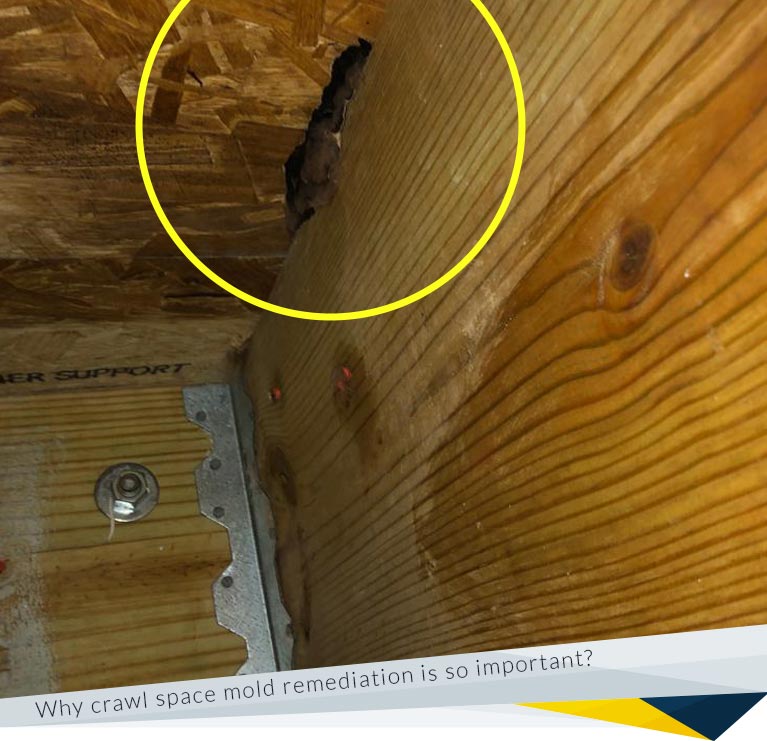

Mold removal costs in Canaveral Groves can vary widely, and many property owners are surprised by how different two estimates can be for what seems like the same problem. That’s because mold removal is not priced as a flat service. The cost depends on several factors tied to the home, the extent of contamination, and the conditions causing mold to grow in the first place.
Understanding these cost factors helps Cocoa-area property owners know what influences pricing, why estimates differ, and how early action can significantly reduce expenses.
Why Mold Removal Costs Vary in Canaveral Groves
Canaveral Groves homes face unique challenges. High humidity, wooded surroundings, frequent rain, and a mix of slab and crawl-space construction all increase mold risk. Mold often grows in hidden areas, which can raise costs if discovered late.
There is no one-size-fits-all price because every mold situation is different.
Size of the Affected Area
One of the biggest cost factors is how much area is affected.
Costs increase when:
- Mold covers multiple rooms
- Growth extends across walls and ceilings
- Several levels of the home are involved
Small, isolated areas cost less to address than widespread contamination.
Location of Mold Growth
Where mold is located plays a major role in removal cost.
Higher-cost areas include:
- Attics
- Crawl spaces
- Inside wall cavities
- HVAC systems
These locations require more labor, specialized equipment, and careful containment, which increases overall cost.
Type of Materials Affected
Porous materials are harder and more expensive to remediate than non-porous surfaces.
Materials that often increase cost include:
- Drywall
- Insulation
- Wood framing
- Carpet and padding
- Ceiling materials
Once mold penetrates porous materials, removal and replacement are often necessary.
Severity of Mold Growth
Light surface growth costs less than heavy, established mold colonies.
Severity affects cost by determining:
- How deeply mold has penetrated materials
- Whether structural components are involved
- The level of containment required
- The time needed for proper removal
Long-standing mold problems almost always cost more to resolve.
Hidden Mold Increases Costs
Hidden mold is one of the most expensive factors because it is discovered later and requires invasive work.
Hidden mold is commonly found:
- Behind drywall
- Under flooring
- Inside insulation
- In crawl spaces or attics
Accessing and removing hidden mold increases labor, materials, and time.
Moisture Source Repair
Mold removal alone does not stop mold from returning. Moisture sources must be corrected, and this can affect total cost.
Common moisture repairs include:
- Fixing roof leaks
- Repairing plumbing leaks
- Correcting AC condensation issues
- Improving drainage around the home
- Addressing high indoor humidity
While these repairs add to upfront costs, they are essential for long-term results.
Containment Requirements
Containment prevents mold spores from spreading during removal. Larger or more severe mold problems require more extensive containment.
Containment may include:
- Plastic barriers
- Negative air pressure systems
- HEPA air filtration
The more containment required, the higher the cost—but it also reduces the risk of cross-contamination.
HVAC Involvement
When mold affects HVAC systems, costs increase significantly.
HVAC-related mold may require:
- Cleaning or replacing ductwork
- Treating air handlers and drain pans
- Installing additional filtration
- Verifying air quality after remediation
Because HVAC systems distribute air throughout the home, proper handling is critical.
Clearance Testing and Post-Checks
Many remediation projects include clearance testing after mold removal. While this adds to the overall cost, it provides confirmation that remediation was successful.
Clearance testing helps:
- Prevent repeat mold problems
- Protect indoor air quality
- Provide documentation for insurance or real estate
Skipping this step often leads to higher costs later.
Insurance Considerations
Insurance coverage varies depending on the cause of mold.
Coverage may apply when mold results from:
- Sudden plumbing leaks
- Storm-related water damage
Mold caused by long-term moisture issues is often not covered. Documentation, inspections, and timing all affect insurance outcomes.
Why Delaying Mold Removal Raises Costs
Waiting to address mold almost always increases total cost. Over time, mold:
- Spreads to new areas
- Penetrates deeper into materials
- Damages structural components
- Lowers indoor air quality
Early intervention is one of the most effective ways to control cost.
Typical Cost Ranges (General Guidance)
While exact pricing varies, mold removal costs are influenced more by conditions than by square footage alone. Smaller, early-stage problems are far less expensive than large, long-standing ones involving hidden areas and HVAC systems.
Accurate estimates require inspection, not assumptions.
How Property Owners Can Control Mold Removal Costs
Canaveral Groves property owners can reduce costs by:
- Addressing moisture issues early
- Scheduling inspections at the first sign of mold
- Avoiding repeated DIY cleanups
- Keeping indoor humidity under control
- Maintaining roofs, plumbing, and HVAC systems
Preventive steps cost far less than remediation.
Why Professional Evaluation Saves Money
A professional evaluation identifies:
- The true extent of mold growth
- Hidden contamination
- Moisture sources driving the problem
- The most effective removal strategy
This prevents underestimating the problem or paying repeatedly for incomplete fixes.
Final Thoughts for Canaveral Groves Property Owners
Mold removal costs in Canaveral Groves depend on many interconnected factors. Understanding what drives those costs helps property owners make informed decisions, avoid surprises, and act early.
In Florida’s humid environment, the most cost-effective mold strategy is early detection, proper moisture control, and addressing the root cause—not just the visible growth.vv