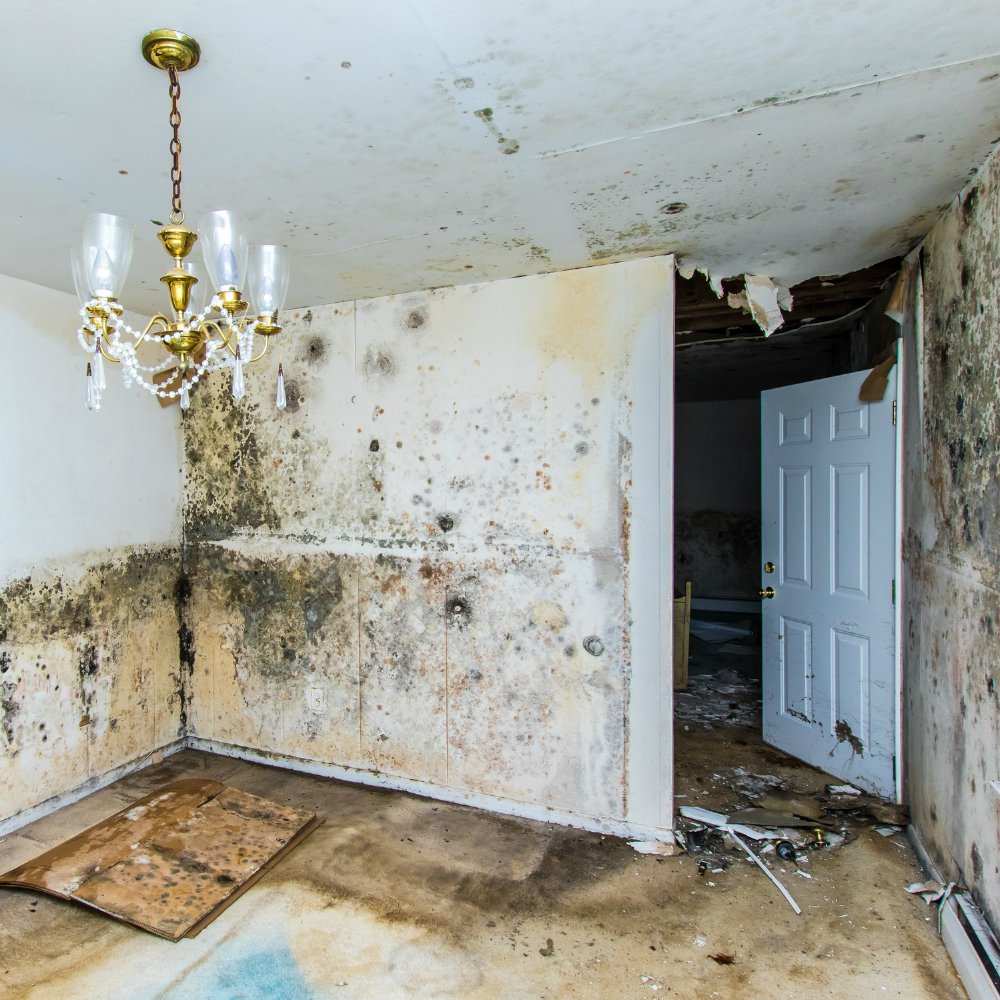
Mold Remediation in Brevard County: What Cocoa Area Property Owners Should Know
Mold remediation is a serious and ongoing concern for property owners throughout Brevard County, especially in and around the Cocoa area. Florida’s climate—marked by high humidity, frequent rain, tropical storms, and long air-conditioning seasons—creates ideal conditions for mold growth in both residential and commercial properties. Even well-maintained buildings can develop mold problems if moisture is allowed to linger undetected.
For Cocoa area property owners, mold remediation is not just about removing visible mold. It is about identifying moisture sources, protecting indoor air quality, preventing structural damage, and avoiding costly repeat issues. Understanding how mold remediation works, when it is necessary, and how to prevent mold from returning can make a significant difference in long-term property health and value.
This guide explains why mold remediation is so common in Brevard County, what triggers the need for remediation, how the process works, and what property owners should know to protect their investments.
Why Mold Is a Persistent Issue in Brevard County
Brevard County’s environment creates constant moisture pressure on buildings. Warm temperatures and high humidity mean that indoor spaces are often cooler than outdoor air, leading to condensation. Add frequent rainfall and storm activity, and moisture intrusion becomes difficult to avoid.
Key factors that contribute to mold growth in Brevard County include:
- High year-round humidity
- Heavy rain and storm-driven water intrusion
- Hurricanes and tropical systems
- Long air-conditioning seasons
- Condensation inside HVAC systems
- Aging roofs, plumbing, and building materials
Mold spores are naturally present in the air. Mold becomes a problem when moisture remains inside a building for 24 to 48 hours or longer, allowing spores to settle and grow on organic materials such as drywall, wood, insulation, and carpeting.
Common Causes That Lead to Mold Remediation
Mold remediation is usually required when moisture problems have already allowed mold to establish itself. In Brevard County properties, the most common causes include:
Roof Leaks and Storm Damage
Strong storms and heavy rain can damage roofing materials, flashing, or vents. Even small leaks can allow water to enter attics and ceiling cavities, leading to hidden mold growth.
Plumbing Leaks
Slow leaks behind walls, under sinks, or near water heaters often go unnoticed for long periods. These leaks create ideal conditions for mold to grow inside wall cavities and under flooring.
HVAC Condensation
Air-conditioning systems remove humidity from indoor air, but clogged drain lines, dirty coils, or poorly balanced systems can cause condensation buildup inside air handlers and ductwork.
Flooding and Water Intrusion
Localized flooding, drainage problems, or storm-related water intrusion can saturate building materials if drying is delayed.
Poor Ventilation
Bathrooms, kitchens, laundry rooms, and storage areas without adequate ventilation allow humidity to linger and support mold growth.
Where Mold Is Commonly Found in Brevard County Properties
Mold often grows in areas that are out of sight, making it difficult for property owners to detect without professional evaluation.
Attics and Ceiling Cavities
Poor ventilation or roof leaks can trap moisture in attics, allowing mold to grow above living or working spaces.
HVAC Systems and Air Ducts
Mold inside HVAC systems can spread spores throughout a building every time the system runs, impacting indoor air quality.
Walls and Insulation
Moisture from plumbing leaks or condensation can remain trapped behind drywall and insulation, allowing mold to grow unseen.
Bathrooms and Kitchens
Steam, splashing water, and limited airflow make these areas frequent mold hot spots.
Storage Areas and Closets
Limited airflow and higher humidity levels allow mold to grow quietly on walls, ceilings, and stored items.
Health Risks Associated With Mold Exposure
Mold exposure affects individuals differently, but prolonged exposure inside homes and buildings can impact health and comfort.
Common symptoms associated with mold exposure include:
- Sneezing, congestion, and itchy eyes
- Persistent coughing or throat irritation
- Headaches and fatigue
- Worsening asthma or respiratory conditions
- Skin irritation in sensitive individuals
Children, older adults, and individuals with allergies or compromised immune systems may be more vulnerable. Even when mold is not toxic, its presence often indicates excessive moisture that degrades indoor air quality.
Mold Remediation vs. Mold Removal: Understanding the Difference
Many property owners use the terms “mold removal” and “mold remediation” interchangeably, but they are not the same.
- Mold removal focuses on physically removing visible mold.
- Mold remediation addresses the entire problem, including mold removal, moisture control, and prevention of recurrence.
In Brevard County’s climate, remediation is essential. Simply removing visible mold without correcting moisture issues almost always leads to mold returning.
What Mold Remediation Involves
Professional mold remediation follows a structured, multi-step process designed to safely remove mold and prevent it from coming back.
Step 1: Assessment and Planning
The process begins with identifying affected areas, determining the extent of mold growth, and locating the moisture source.
Step 2: Containment
Affected areas are sealed off to prevent mold spores from spreading to unaffected parts of the property during remediation.
Step 3: Air Filtration
High-efficiency air filtration devices are used to capture airborne spores throughout the remediation process.
Step 4: Mold Removal
Contaminated materials are cleaned, treated, or removed depending on severity. Porous materials such as drywall, insulation, or carpeting may need to be removed.
Step 5: Cleaning and Sanitization
Surfaces are thoroughly cleaned to remove residual mold particles and spores.
Step 6: Moisture Control and Repairs
Remediation is not complete until the underlying moisture problem—roof leak, plumbing issue, or HVAC imbalance—is corrected.
Step 7: Post-Remediation Verification
Follow-up evaluations help confirm that mold has been effectively addressed and moisture levels are under control.

Why DIY Mold Cleanup Is Not Enough
DIY mold cleanup may seem appealing, but it often leads to incomplete results—especially in Florida’s humid climate.
Common DIY limitations include:
- Failure to remove hidden mold
- Spreading spores during cleaning
- Not addressing moisture sources
- Increased exposure to airborne spores
Without proper containment, filtration, and moisture control, mold frequently returns. Professional remediation reduces these risks and provides longer-lasting results.
Cost Factors in Mold Remediation
The cost of mold remediation in Brevard County varies based on several factors:
- Size of the affected area
- Severity and duration of mold growth
- Materials involved (drywall, insulation, flooring)
- Accessibility of contaminated spaces
- Necessary repairs after removal
While remediation can be costly, early intervention significantly reduces expenses. Delaying action allows mold to spread and increases the scope of work required.
Preventing Mold After Remediation
Successful mold remediation is only the first step. Preventing recurrence is essential in Brevard County’s climate.
Control Indoor Humidity
Maintain indoor humidity between 30% and 50% using air conditioning, dehumidifiers, and proper ventilation.
Maintain HVAC Systems
Regular HVAC inspections and maintenance reduce condensation and moisture buildup.
Address Water Issues Immediately
Roof leaks, plumbing problems, and window leaks should always be treated as urgent repairs.
Improve Ventilation
Bathrooms, kitchens, laundry rooms, and storage areas should have adequate exhaust ventilation.
Monitor After Storms
After heavy rain or storms, check for signs of water intrusion and moisture buildup.
Long-Term Mold Management for Brevard County Properties
Because humidity and storms are unavoidable in Brevard County, mold management must be ongoing.
Effective long-term strategies include:
- Preventive maintenance programs
- Routine moisture inspections
- Investment in reliable HVAC and dehumidification systems
- Clear response plans for leaks or flooding
- Periodic professional evaluations
Property owners who take a proactive approach significantly reduce the risk of repeat mold problems.
Final Thoughts for Cocoa Area Property Owners
Mold remediation in Brevard County is not just about removing visible mold—it’s about addressing moisture, protecting health, and preserving property value. In a climate where mold risks are constant, early action and proper remediation make a critical difference.
By understanding how mold develops, recognizing when remediation is necessary, and committing to long-term prevention, Cocoa area property owners can avoid costly repeat issues, maintain healthier indoor environments, and protect their investments for years to come.