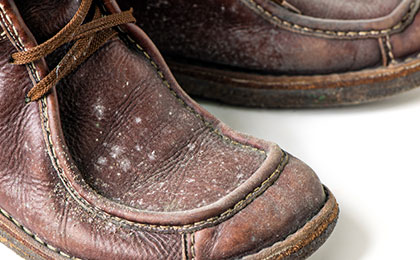
Mold Myths and Facts in Canaveral Groves: What Cocoa Area Property Owners Should Know
Mold concerns are common among homeowners in Canaveral Groves and throughout Brevard County. However, along with legitimate concerns, many myths about mold continue to circulate. These misunderstandings often lead homeowners to either panic unnecessarily or, just as often, ignore real moisture problems until they become serious.
Across Canaveral Groves, Cocoa, West Cocoa, Cocoa Beach, Port St. John, and Sharpes, mold professionals regularly encounter situations where misinformation delayed proper action. Some homeowners believe all mold is dangerous, while others assume mold is harmless and can simply be wiped away.
Understanding the difference between mold myths and mold facts helps property owners make better decisions and protect their homes without unnecessary worry.
Why Mold Confusion Is Common in Florida
Florida’s climate naturally creates mold concerns. Warm temperatures, high humidity, heavy rain, and frequent storms all contribute to moisture problems in homes.
Because mold appears often in Florida houses, stories and assumptions spread quickly. Some of these stories exaggerate risks, while others minimize real problems.
Mold is neither something to ignore nor something to panic about. It is simply a moisture issue that needs proper attention.
Understanding the facts allows homeowners to respond calmly and effectively.
Myth #1: All Mold Is Extremely Dangerous
One of the most common myths is that all mold poses severe danger to anyone inside the home.
Fact: Mold Problems Vary Widely
Many types of mold exist naturally indoors and outdoors. Not all mold causes serious problems, but mold growth indoors should still be addressed because it indicates moisture is present.
Most mold concerns relate to:
- Property damage
- Indoor air quality changes
- Odors and discomfort
- Material deterioration
The main concern is not the mold itself but the moisture allowing it to grow. Correcting moisture issues prevents ongoing growth.
Myth #2: Bleach Completely Solves Mold Problems
Many homeowners believe cleaning mold with bleach permanently solves the issue.
Fact: Bleach Often Cleans Only the Surface
Bleach may remove visible staining on non-porous surfaces, but it often fails to eliminate mold embedded in materials like:
- Drywall
- Wood
- Insulation
- Carpet backing
Bleach also does not address moisture sources. If damp conditions remain, mold usually returns.
Professional remediation focuses on removing contaminated materials when necessary and correcting moisture problems.
Myth #3: Mold Only Grows in Dirty Homes
Some homeowners assume mold appears only in poorly maintained houses.
Fact: Mold Grows Wherever Moisture Exists
Mold can grow in clean, well-maintained homes if moisture problems occur. Even new homes experience mold issues when leaks or humidity problems develop.
Common mold causes include:
- Roof leaks
- Plumbing leaks
- AC condensation
- Poor ventilation
- Storm damage
- Humidity buildup
Clean homes can still develop mold if moisture is present.
Myth #4: Visible Mold Is the Only Mold That Matters
Homeowners often assume mold only exists where it can be seen.
Fact: Mold Often Grows Out of Sight
Many mold problems develop behind walls, under flooring, or above ceilings where they remain hidden.
Common hidden mold locations include:
- Inside wall cavities
- Beneath flooring
- Attic spaces
- Around HVAC systems
- Under cabinets
- Behind stored items
Musty odors often indicate hidden mold growth even when surfaces look clean.
Myth #5: Mold Only Happens After Flooding
Some homeowners believe mold occurs only after major flooding events.
Fact: Small Leaks Cause Many Mold Problems
Most mold problems in Canaveral Groves homes result from smaller moisture sources, such as:
- Slow plumbing leaks
- Roof leaks after storms
- AC drain line clogs
- Humidity buildup
- Window leaks
Even minor moisture issues can allow mold to grow if materials remain damp.
Myth #6: Mold Will Go Away Once Things Dry
Homeowners sometimes believe mold disappears once moisture dries.
Fact: Mold Remains Until Properly Removed
Once mold grows, it remains until cleaned or removed. Even if surfaces dry, mold spores remain and may begin growing again if moisture returns.
Drying alone is not enough once mold growth has started.
Myth #7: DIY Mold Removal Always Works
Homeowners often try to clean mold themselves, assuming professional help isn’t necessary.
Fact: DIY Cleanup Sometimes Makes Mold Spread
Cleaning mold without proper containment sometimes spreads spores to other areas of the home.
Common DIY mistakes include:
- Scrubbing mold without sealing off areas
- Using fans that spread spores
- Painting over mold instead of removing it
- Removing materials without protection
Small surface spots may be manageable, but larger or recurring problems often require professional evaluation.
Myth #8: New Homes Don’t Get Mold
Some homeowners assume new construction homes are immune to mold.
Fact: New Homes Can Also Develop Mold
New homes sometimes experience mold problems due to:
- Construction moisture trapped in materials
- Poor ventilation
- AC condensation issues
- Improper drainage
- Construction delays during rainy weather
Mold problems relate to moisture, not home age.
Why Mold Myths Can Lead to Bigger Problems
Misunderstanding mold often leads homeowners to either ignore problems or use ineffective solutions.
In many Brevard County homes, professionals encounter situations where mold returned repeatedly because the true moisture source was never corrected.
Professionals experienced with local conditions, including Cocoa Mold Removal, often find recurring mold growth caused by moisture that homeowners didn’t realize was present.
Addressing problems early prevents costly repairs later.
How Professionals Evaluate Mold Concerns
Professional inspections help determine whether mold growth exists and identify moisture sources.
A typical inspection may include:
Visual Evaluation
Inspectors check common moisture-prone areas.
Moisture Detection Equipment
Meters and thermal imaging locate hidden dampness.
Air Sampling When Needed
Air tests sometimes help evaluate indoor mold levels.
Surface Sampling if Necessary
Samples may confirm whether visible material is mold.
Inspections focus on identifying moisture rather than simply detecting mold.
Preventing Mold Problems in Canaveral Groves Homes
Preventing mold growth involves controlling moisture.
Helpful prevention steps include:
- Maintain indoor humidity below 60% when possible
- Repair plumbing leaks promptly
- Inspect roofs after storms
- Service AC systems annually
- Use exhaust fans in kitchens and bathrooms
- Improve ventilation in closets and storage areas
- Inspect attics periodically
- Use dehumidifiers in damp areas
- Avoid storing damp items indoors
Routine maintenance helps prevent mold from developing.
Why Local Experience Matters
Homes in Canaveral Groves and surrounding Cocoa-area communities face moisture challenges unique to Florida’s climate. Professionals familiar with local construction and humidity patterns often diagnose mold concerns faster than companies unfamiliar with the area.
Local experience helps ensure moisture sources are corrected properly instead of temporarily masked.
A Calm Next Step for Property Owners
Mold concerns often come with confusion, but most situations can be addressed calmly and effectively once moisture problems are identified.
If you notice persistent odors, visible mold, or moisture issues, a professional inspection can help determine whether mold is present and what steps may be needed.
Homeowners in Canaveral Groves who stay proactive about moisture control typically avoid major mold problems while keeping their homes comfortable and protected.