Mold Inspection in Cocoa: What Cocoa Area Property Owners Should Know
Living in Cocoa and the surrounding areas of Brevard County means enjoying Florida’s warm weather year-round, but it also means constantly dealing with moisture. High humidity, heavy rain, tropical storms, and nonstop air conditioning create ideal conditions for mold to develop inside homes. For many property owners, mold inspections aren’t triggered by obvious damage, but by subtle changes—odors, moisture, or lingering concerns after leaks or storms.
A mold inspection is meant to provide clarity, not fear. It helps property owners understand whether mold is present, where it may be hiding, and what conditions are allowing it to grow. For homeowners, landlords, and property managers in Cocoa, Cocoa Beach, West Cocoa, Port St. John, Sharpes, and Canaveral Groves, knowing what to expect from a mold inspection can help protect both the property and long-term indoor conditions.
Understanding Mold Problems in Cocoa Homes
Mold is a natural part of the environment, but it becomes problematic when it grows indoors on damp building materials. In Cocoa homes, mold commonly appears on drywall, wood framing, insulation, and around HVAC components. These materials absorb moisture easily and can support growth when they stay wet or humid for extended periods.
Many mold issues begin quietly. A small plumbing leak, roof intrusion, or AC condensation issue may not cause immediate visible damage. Moisture can remain trapped behind walls, under flooring, or above ceilings without obvious signs. By the time discoloration or odors appear, mold growth may already be established.
A professional mold inspection focuses on identifying these hidden conditions rather than just what’s visible on the surface.
Why Mold Is So Common in Cocoa and Brevard County
Cocoa’s climate is one of the main reasons mold inspections are so common in the area. High humidity levels mean homes are constantly exposed to moisture, even during dry weather. Air conditioning systems run most of the year, and condensation around air handlers, drain lines, and ductwork is a frequent source of indoor moisture.
Heavy rain and hurricanes can force water into roofs, windows, doors, and wall systems. Even when damage looks minor, water can seep into cavities and remain trapped. Slab foundations, which are common throughout Cocoa and Port St. John, can hide plumbing leaks beneath flooring or inside walls for long periods.
In coastal areas like Cocoa Beach, salt air combined with moisture adds additional stress to building materials. Older homes may have aging plumbing or past water damage, while newer homes can trap humidity if ventilation isn’t properly balanced. All of these factors make mold inspections a practical part of property ownership in Brevard County.
Common Signs Property Owners Notice
Many property owners request a mold inspection after noticing subtle but persistent warning signs. One of the most common is a musty or earthy odor that doesn’t go away with cleaning or increased ventilation. Even when mold isn’t visible, odors often indicate hidden moisture or growth.
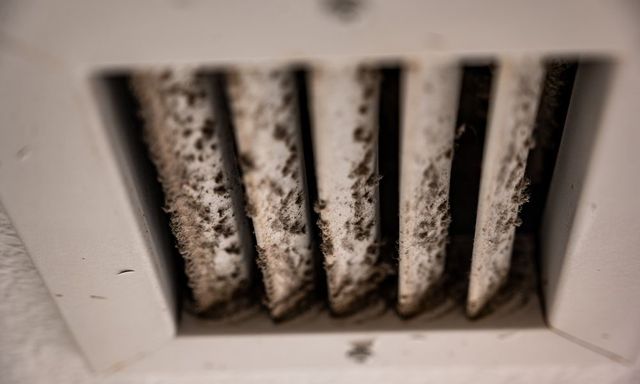
Visible discoloration on walls, ceilings, or around vents can also raise concerns, especially if it keeps returning after being wiped down. Bubbling paint, peeling drywall tape, warped baseboards, or soft flooring may suggest moisture behind surfaces.
Some homeowners notice increased indoor condensation or feel that the air inside the home feels damp or stale. After plumbing leaks, roof issues, or major storms, inspections are often requested simply to confirm that everything dried properly and no hidden problems remain.
Hidden and Overlooked Causes of Mold Growth
One of the biggest benefits of a professional mold inspection is uncovering issues that aren’t immediately visible. Inspectors frequently find mold behind walls where slow leaks went unnoticed for months. Moisture trapped under tile, laminate, or vinyl flooring is another common issue in Cocoa homes.
Attics are often overlooked but frequently affected. Florida heat combined with poor ventilation can lead to mold growth on roof decking and wooden trusses. Crawl spaces, when present, may collect moisture from the ground or outside air.
HVAC systems are another common source. Mold can develop inside air handlers, drain pans, or ductwork and then circulate spores throughout the home. Past water damage that was never fully dried or repaired is often discovered during inspections, even years later.
Why DIY Mold Cleanup Often Doesn’t Solve the Problem
Many homeowners attempt to clean suspected mold themselves, especially when it appears minor. While surface cleaning may remove visible staining, it rarely addresses the full issue. Bleach and household cleaners typically don’t penetrate porous materials or eliminate hidden growth.
Disturbing mold without proper containment can also spread spores to other areas of the home. In some cases, homeowners clean one area only to see mold reappear nearby because the moisture source was never addressed.
A mold inspection focuses on identifying where moisture is coming from and how widespread the issue is. Without that information, DIY cleanup often becomes a temporary solution rather than a lasting fix.
What a Professional Mold Inspection Includes
A professional mold inspection in Cocoa typically begins with a thorough visual assessment of the property. Inspectors look for signs of water intrusion, humidity problems, and visible mold growth in common trouble areas such as bathrooms, kitchens, HVAC systems, and attics.
Moisture detection tools are used to locate damp materials behind walls, under flooring, and in ceilings. These tools help identify hidden problem areas without unnecessary damage to the home.
When appropriate, air or surface samples may be collected. These samples are sent to a laboratory for analysis to help identify mold types and compare indoor conditions to outdoor levels. Sampling isn’t always required, but it can be useful in situations like real estate transactions or when visible mold isn’t present but concerns remain.
The goal of the inspection is clear, accurate information—not assumptions or pressure.
How Proper Mold Removal and Remediation Is Handled
If a mold inspection confirms a problem, proper remediation focuses on safe removal and long-term prevention. Containment is used to prevent spores from spreading during cleanup. Affected materials are removed or treated based on the extent of contamination.
Just as important is correcting the moisture source. This may involve plumbing repairs, improving ventilation, addressing roof or window leaks, or adjusting HVAC drainage and airflow. Without moisture control, mold is likely to return.
A professional remediation process prioritizes thorough drying and prevention rather than cosmetic fixes. Cocoa Mold Removal follows this approach when assisting property owners, focusing on resolving the root cause instead of just the visible symptoms.
Preventing Mold in Cocoa Homes
Mold prevention starts with moisture management. Keeping indoor humidity under control through proper AC maintenance and, when needed, dehumidification can significantly reduce risk.
Regular inspections of roofs, plumbing, and windows—especially after heavy rain or storms—help catch small issues early. Bathrooms, kitchens, and laundry areas should be well ventilated to reduce moisture buildup.
Attics should have balanced ventilation, and HVAC drain lines should be kept clear. After any water intrusion, even minor, thorough drying is essential. These steps won’t eliminate risk entirely, but they greatly reduce the likelihood of mold problems developing.
Why Local Cocoa Mold Experience Matters
Mold inspections are not one-size-fits-all. Local experience matters because Cocoa-area homes face specific challenges tied to climate, construction styles, and environmental conditions.
Professionals familiar with Brevard County understand how slab foundations, coastal air, and Florida humidity affect homes differently than in other regions. This local knowledge allows for faster, more accurate assessments and practical recommendations that make sense for local properties.
Property owners in Cocoa, Cocoa Beach, West Cocoa, Port St. John, Sharpes, and Canaveral Groves benefit from working with professionals who regularly inspect homes with these exact conditions.
A Calm, Practical Next Step for Property Owners
If you suspect a mold issue or simply want peace of mind, a professional mold inspection is a reasonable next step. It provides clear information without pressure and helps property owners make informed decisions.
For Cocoa-area property owners, inspections are about protecting the home, maintaining indoor conditions, and addressing moisture issues early. A trusted local provider like Cocoa Mold Removal can guide that process with experience and a homeowner-first approach.