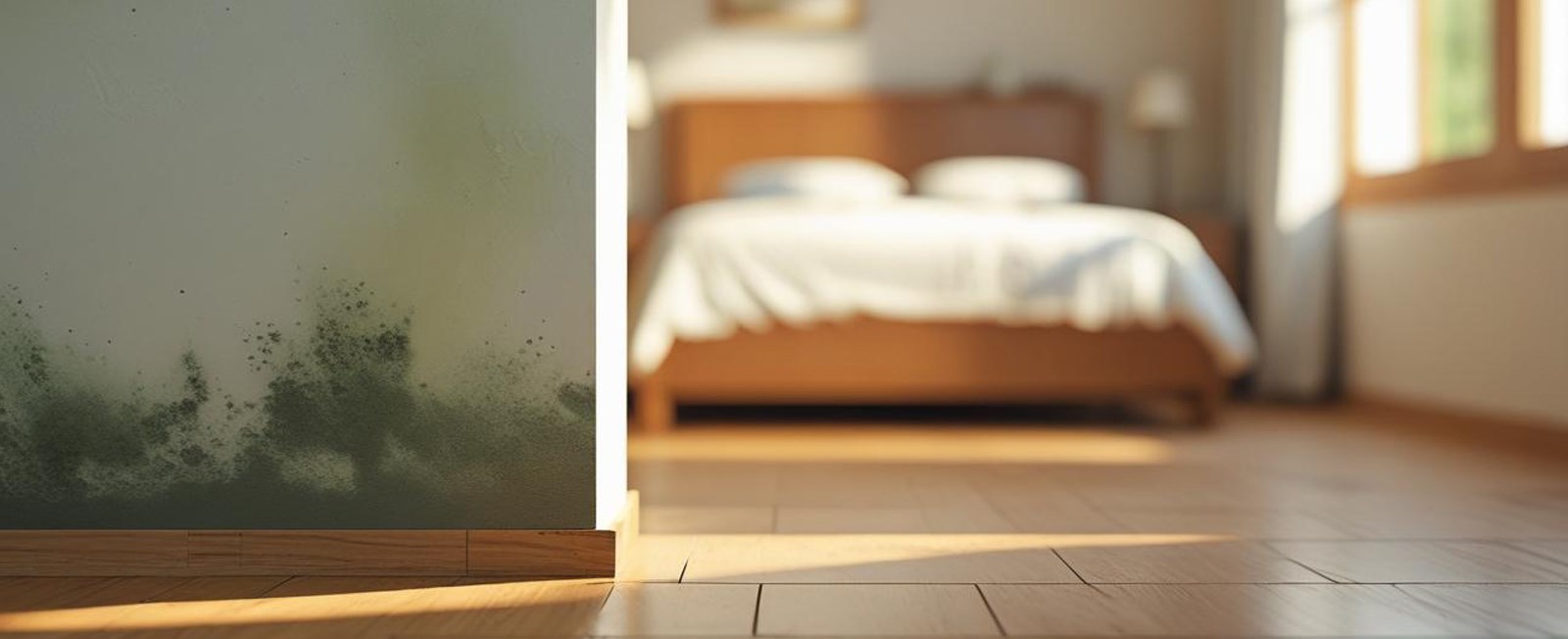
Mold in Vacation Rentals in Port St. John: What Cocoa Area Property Owners Should Know
Vacation rentals are increasingly popular across Port St. John and nearby Brevard County communities. Many property owners use homes or investment properties as short-term rentals for visitors enjoying nearby beaches, cruise ports, and coastal attractions. However, vacation rentals face a unique challenge that year-round occupied homes sometimes avoid: moisture and mold problems that develop when properties sit unoccupied.
Across Port St. John, Cocoa, Cocoa Beach, West Cocoa, Sharpes, and Canaveral Groves, mold professionals frequently inspect rental properties where mold developed quietly between guest stays. Owners often don’t realize there is a problem until guests complain about odors or visible mold appears.
Understanding why mold is common in vacation rentals helps property owners protect their investments and maintain positive guest experiences.
Why Vacation Rentals Face Higher Mold Risk
Mold spores exist naturally in Florida’s air and enter homes constantly. Under dry conditions, spores remain harmless. Problems begin when moisture becomes trapped indoors.
Vacation rentals often create conditions that allow moisture to build up unnoticed, including:
- Homes sitting vacant between guests
- Air conditioning being turned off to save energy
- Closed windows and doors trapping humidity
- Delayed maintenance responses
- Cleaning focused on surfaces rather than hidden areas
- High guest turnover increasing wear on plumbing and HVAC systems
Because moisture problems go unnoticed longer in vacant homes, mold sometimes grows before owners realize anything is wrong.
Why Port St. John Properties Are Especially Vulnerable
Homes in Port St. John experience Florida’s familiar moisture challenges.
Common local factors include:
- High year-round humidity
- Heavy summer rainstorms
- Hurricane and tropical storm exposure
- AC systems running nearly year-round
- Coastal air bringing additional moisture
- Seasonal fluctuations in occupancy
When vacation rentals are left unoccupied without proper humidity control, moisture can build up quickly indoors.
Even a few weeks without proper climate control can allow mold to begin growing.
Common Areas Mold Develops in Vacation Rentals
In many Port St. John vacation homes, mold grows in predictable locations.
Bedrooms and Living Areas
Rooms left closed between guests sometimes trap humidity, especially near exterior walls or windows.
Closets and Storage Spaces
Closets often have poor airflow, allowing moisture to accumulate.
Bathrooms
Bathrooms without ventilation or with minor plumbing leaks frequently develop mold.
Kitchens and Under-Sink Cabinets
Slow leaks sometimes go unnoticed in rentals until mold spreads.
Laundry Rooms
Humidity and appliance leaks sometimes create moisture problems.
Attics and Garages
Poor ventilation or storm damage sometimes leads to hidden mold growth.
Because these areas are not inspected daily, problems may develop quietly.
Warning Signs Rental Owners Should Watch For
Vacation rental owners or property managers should watch for early warning signs.
Common signs include:
- Musty odors reported by guests
- Visible mold in bathrooms or closets
- Condensation on windows or walls
- Stains on ceilings or walls
- Damp carpeting or flooring
- Guests reporting allergy-like discomfort indoors
- Increased humidity inside the home
When these signs appear, professional inspection helps prevent problems from spreading.
How Guest Behavior Can Contribute to Mold Problems
Guests unintentionally contribute to moisture buildup in some situations.
Examples include:
- Leaving windows open while AC runs
- Turning off AC systems entirely
- Running hot showers without ventilation
- Drying wet beach gear indoors
- Blocking airflow around vents
- Reporting leaks after damage has already spread
Clear guest instructions and routine inspections help reduce these risks.
Why DIY Mold Cleanup Often Fails in Rentals
Some owners attempt to clean mold themselves between guest stays. While small spots may temporarily disappear, mold often returns.
Common mistakes include:
- Cleaning only visible mold
- Using bleach on porous materials
- Painting over stains
- Ignoring moisture sources
- Masking odors with air fresheners
When moisture remains inside walls or floors, mold returns quickly.
Repeated cleaning efforts often cost more than proper remediation.
How Professional Mold Inspection Helps Rental Owners
Professional inspections help determine whether mold growth exists and why.
A typical inspection may include:
Visual Examination
Inspectors evaluate moisture-prone areas throughout the property.
Moisture Detection Equipment
Meters and thermal imaging tools help locate hidden dampness.
Air Sampling When Needed
Air testing sometimes confirms elevated mold levels indoors.
Surface Sampling if Necessary
Samples confirm mold presence when material is unclear.
Professionals familiar with Brevard County rentals, including Cocoa Mold Removal, often recognize moisture patterns quickly due to experience with local vacation properties.
How Professional Remediation Protects Rentals
Professional remediation addresses both contamination and moisture causes.
Typical remediation steps include:
- Containment setup
- Removal of contaminated materials
- Cleaning and air filtration
- Correction of moisture sources
- Restoration of affected areas
Proper remediation prevents mold from spreading and reduces recurrence risk.
This helps rental owners avoid guest complaints and costly future repairs.
Preventing Mold in Port St. John Vacation Rentals
Rental owners can significantly reduce mold risk with preventative steps.
Helpful measures include:
- Keeping AC running even when vacant
- Using smart thermostats to control humidity
- Installing dehumidifiers if needed
- Scheduling routine inspections between guests
- Servicing HVAC systems annually
- Checking for plumbing leaks regularly
- Improving ventilation in bathrooms and kitchens
- Inspecting roofs after storms
- Avoiding long periods without climate control
- Providing guests with humidity and ventilation instructions
Regular maintenance prevents small problems from becoming major issues.
Why Mold Matters for Rental Income
Mold problems can affect vacation rentals in several ways.
Potential impacts include:
- Guest complaints or negative reviews
- Cancelled bookings
- Temporary property closure
- Higher repair costs
- Reduced property value
- Liability concerns
Maintaining good indoor conditions protects both rental income and long-term property investment.
Why Local Experience Matters
Homes in Port St. John and surrounding Cocoa-area communities face moisture challenges unique to Florida’s coastal climate. Professionals familiar with local construction and humidity conditions often diagnose rental property mold problems faster than companies unfamiliar with the area.
Local experience helps ensure moisture sources are corrected rather than temporarily hidden.
A Calm Next Step for Vacation Rental Owners
Mold problems in vacation rentals often develop quietly, especially when properties sit vacant between guests. However, most problems can be corrected once moisture sources are identified and addressed.
If guests report musty odors or moisture concerns, a professional inspection can help determine whether mold growth exists and what steps may be needed.
Vacation rental owners in Port St. John who stay proactive about moisture control typically avoid larger mold problems while keeping guests comfortable and properties well maintained.