
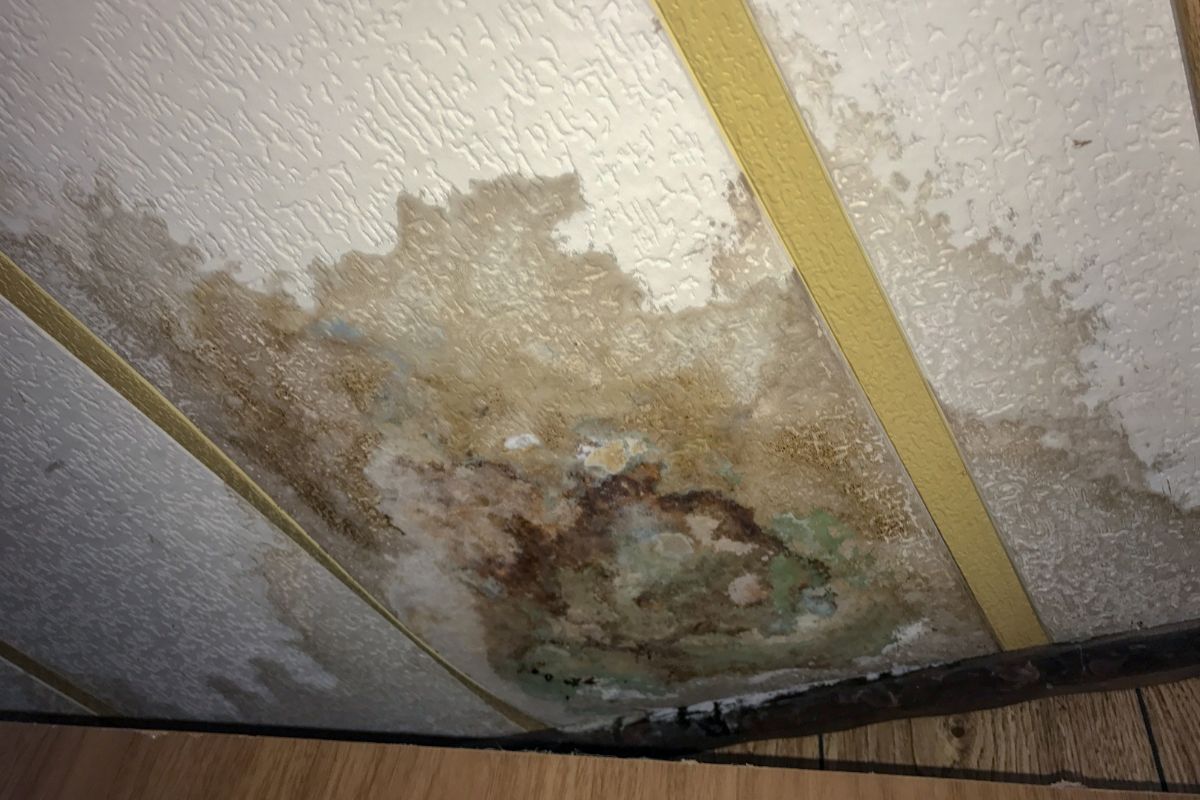
Mold in Storage Units in West Cocoa: What Cocoa Area Property Owners Should Know
Storage units in West Cocoa are often assumed to be safe places for belongings—but in Florida’s humid climate, they can quietly become high-risk environments for mold growth. Many property owners don’t realize there’s a problem until items are removed and already damaged.
For Cocoa area property owners, understanding why mold develops in storage units, what items are most at risk, and how to prevent damage can save time, money, and frustration.
Why Storage Units Are Prone to Mold in West Cocoa
West Cocoa’s environment creates several challenges for storage spaces:
- High year-round humidity
- Limited or no climate control
- Poor air circulation
- Temperature fluctuations
- Moisture intrusion during heavy rain
Unlike homes, many storage units are not designed to manage moisture. When humid air enters and becomes trapped, mold spores can settle and grow on stored items.
Common Causes of Mold in Storage Units
Mold problems in storage units often start from one or more of the following:
- Lack of climate control allowing humidity to rise
- Condensation forming on metal walls and ceilings
- Rainwater intrusion through doors, seams, or roofs
- Storing damp items, such as furniture or clothing
- Poor ventilation inside the unit
Once moisture is present, mold can begin growing within 24–48 hours.
Items Most at Risk for Mold Damage
Certain belongings are especially vulnerable to mold in storage units:
- Upholstered furniture and mattresses
- Cardboard boxes and paper documents
- Clothing, linens, and fabric items
- Wooden furniture and antiques
- Books, photos, and artwork
- Electronics exposed to humidity
Even sealed plastic bins can trap moisture inside, creating hidden mold growth.
Where Mold Typically Develops Inside Storage Units
Mold growth in storage units is often found:
- On the backs and undersides of furniture
- Inside boxes placed directly on the floor
- Against exterior walls where condensation forms
- On ceilings and corners with poor airflow
- Inside bags or containers holding fabric items
Because storage units are rarely checked, mold can spread for months without being noticed.
Warning Signs of Mold in Storage Units
Property owners should watch for:
- Musty or earthy odors when opening the unit
- Visible spotting on boxes or furniture
- Damp or warped cardboard
- Clothing that smells moldy even when dry
- Condensation on walls or ceilings
If these signs appear, mold growth is likely already present.
Why Mold in Storage Units Often Goes Undetected
Mold damage in storage units is commonly missed because:
- Units aren’t accessed frequently
- Mold grows slowly in dark, enclosed spaces
- Damage happens out of sight
- Owners assume belongings are protected
By the time items are removed, mold damage may be extensive and irreversible.
Health and Property Risks
Mold-contaminated storage items can cause:
- Allergic reactions when handled
- Respiratory irritation
- Cross-contamination when brought into homes
- Permanent damage to valuables
Bringing moldy items back into a home can introduce mold spores into clean indoor spaces.
What Property Owners Can Do to Prevent Mold
To reduce mold risk in West Cocoa storage units:
- Choose climate-controlled units when possible
- Avoid storing damp or freshly cleaned items
- Elevate items off the floor using pallets
- Use moisture absorbers or desiccants
- Store items in breathable containers instead of cardboard
- Visit the unit periodically to check for moisture
Moisture control is the most important factor in preventing storage-related mold.
When Mold Inspection or Professional Help Is Needed
Professional help may be necessary if:
- Mold odors are strong
- Valuable or sensitive items are affected
- Water intrusion is suspected
- Mold appears widespread inside the unit
Inspection helps determine the extent of contamination and whether items can be safely cleaned or should be discarded.
Insurance and Storage Unit Mold
Many storage facility policies and renters insurance plans have limited mold coverage, especially if mold results from humidity rather than sudden water damage. Always review coverage details and document conditions if a problem is discovered.
Final Thoughts for Cocoa Area Property Owners
Mold in storage units is a common but often overlooked problem in West Cocoa. High humidity, poor airflow, and limited climate control create ideal conditions for mold to thrive—especially when units go unchecked for long periods.
By understanding the risks, choosing the right storage environment, and managing moisture proactively, Cocoa area property owners can protect their belongings and avoid unpleasant surprises later. When it comes to storage units and mold, prevention is far easier than recovery.