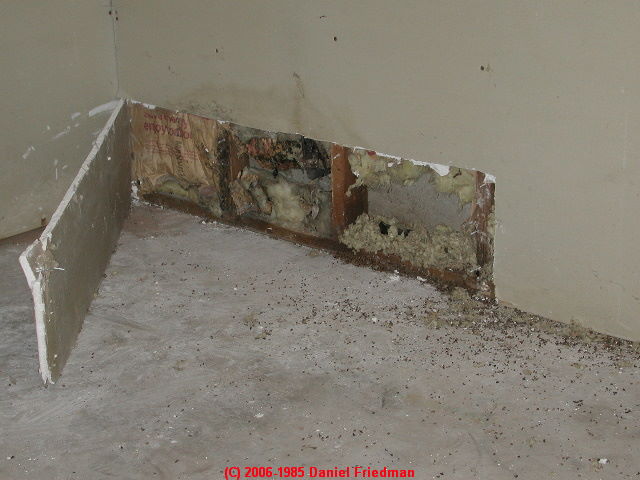
Mold in Older Homes in Port St. John: What Cocoa Area Property Owners Should Know
Older homes in Port St. John have character, solid construction, and established neighborhoods—but they also come with unique mold risks that newer builds don’t always face. Over time, changes in materials, repairs, and Florida’s relentless humidity can quietly create moisture conditions that allow mold to grow out of sight.
For homeowners, landlords, and property managers in Port St. John and nearby Cocoa-area communities, mold in older homes is rarely about neglect. It’s usually the result of aging systems, past water events, and building designs that weren’t meant for today’s air-conditioned living. Understanding where mold tends to develop—and why—helps prevent repeat issues and costly repairs.
Why Older Homes in Port St. John Are More Vulnerable to Mold
Homes built decades ago were constructed under different standards and assumptions about airflow, insulation, and moisture control.
Key factors that increase mold risk include:
Aging plumbing systems
Older supply lines and drain connections are more prone to slow leaks behind walls and under floors.
Original windows and doors
Older seals and flashing may allow wind-driven rain to enter during storms.
Limited or outdated ventilation
Bathrooms and kitchens may lack adequate exhaust fans, trapping moisture indoors.
Changes over time
Renovations, additions, or patch repairs can alter airflow and trap moisture where it didn’t exist before.
Florida humidity over decades
Long-term exposure to moisture slowly affects wood, drywall, and insulation—even without major leaks.
These conditions allow mold to develop gradually, often unnoticed.
Common Mold Locations in Older Port St. John Homes
Mold in older homes often appears in predictable areas tied to moisture and airflow.
Frequent problem spots include:
- Behind bathroom and kitchen walls with original plumbing
- Under flooring installed over slab foundations
- Inside cabinets and closets on exterior walls
- Around older window frames and sills
- In attics with insufficient ventilation
- Inside HVAC systems added years after original construction
Because many of these areas are hidden, mold can grow long before visible signs appear.
Past Water Damage That Never Fully Dried
One of the biggest contributors to mold in older homes is historical water damage.
Past issues may include:
- Old roof leaks that were patched but not dried thoroughly
- Plumbing leaks repaired without checking wall cavities
- Flooding or storm intrusion years ago
- Moisture trapped beneath older flooring materials
Even if repairs were made, moisture left behind can continue feeding mold growth over time.
How Modern AC Use Affects Older Homes
Many older Port St. John homes were built before central air conditioning was standard. When AC systems are added later, moisture behavior inside the home changes.
Common issues include:
- Cold surfaces attracting condensation
- Ductwork routed through walls or attics not designed for it
- Oversized systems cooling too quickly and leaving humidity behind
- Limited return airflow causing uneven moisture control
These conditions allow humidity to remain high—supporting mold growth without obvious leaks.
Warning Signs Mold May Be Present in an Older Home
Mold in older homes often shows subtle signs before visible growth appears.
Watch for:
- Persistent musty or earthy odors
- Bubbling paint or peeling drywall
- Soft or warped flooring
- Cabinets that swell or smell damp
- Mold that keeps returning after cleaning
- Condensation on windows, vents, or walls
In Port St. John homes, odors and recurring mold are especially common indicators of hidden moisture.
Why Surface Cleaning Rarely Solves Mold in Older Homes
Cleaning visible mold in an older home often leads to frustration when it comes back.
This happens because:
- Mold is growing behind walls or under floors
- Moisture sources remain active
- Older materials absorb and hold moisture longer
- Ventilation may not be sufficient to dry materials
Without addressing the underlying moisture conditions, mold almost always returns.
The Role of Attics and Crawl Spaces
Out-of-sight areas play a major role in mold issues in older homes.
Attics may have:
- Insufficient ventilation
- Heat buildup causing condensation
- Bathroom fans venting into the attic
Crawl spaces may have:
- Ground moisture
- Inadequate vapor barriers
- Poor airflow
Problems in these areas often affect the rest of the home through air movement.
How Professional Inspections Help Older Homes
A professional mold inspection focuses on how moisture moves through an older structure, not just where mold is visible.
An inspection may include:
- Moisture readings in walls, floors, and ceilings
- Evaluation of plumbing and HVAC systems
- Attic and crawl space assessment
- Identification of past water intrusion
- Indoor humidity measurements
In Port St. John, inspections of older homes often reveal multiple contributing factors rather than a single cause.
Mold Testing and Older Properties
Mold testing isn’t always required, but it can be useful in older homes where mold may be hidden.
Testing may help when:
- Odors persist without visible mold
- Multiple rooms are affected
- HVAC involvement is suspected
- Documentation is needed for property decisions
Testing is most effective when paired with a thorough moisture inspection.
Proper Mold Remediation for Older Homes
Mold remediation in older homes requires a careful, targeted approach.
A proper process typically includes:
Containment
Preventing spores from spreading during work.
Removal of affected materials
Removing mold-damaged drywall, insulation, or flooring when needed.
Cleaning and air filtration
Using HEPA filtration to reduce airborne spores.
Moisture correction
Fixing leaks, improving ventilation, and addressing humidity control.
Drying and verification
Ensuring all materials are dry before rebuilding or repairs.
This approach resolves the issue without causing unnecessary damage to older structures.
Preventing Mold in Older Port St. John Homes
Prevention focuses on moisture awareness and maintenance.
Helpful steps include:
- Regular plumbing inspections
- Monitoring indoor humidity
- Running AC consistently
- Using exhaust fans properly
- Inspecting attics and crawl spaces
- Addressing even small water stains promptly
In older homes, small issues become big problems when moisture is ignored.
Why Local Port St. John Experience Matters
Older homes in Port St. John reflect local building styles, materials, and decades of Florida weather. Mold behaves differently here than in newer developments or other regions.
Professionals familiar with Port St. John understand where moisture problems typically originate in older homes and how mold spreads through aging materials. Cocoa Mold Removal brings this local experience, helping property owners identify mold issues accurately and prevent repeat growth.
A Practical Takeaway for Property Owners
Mold in older homes doesn’t mean something was built wrong—it means moisture has found a way in over time. In Port St. John’s humid climate, that’s common, but it’s also manageable.
If your older home shows signs of mold, odors, or moisture problems, an early evaluation can prevent more extensive damage. Addressing moisture promptly protects the structure, preserves the home’s character, and reduces long-term repair costs.
Relevant Images for This Article