Mold in New Construction in Canaveral Groves: What Cocoa Area Property Owners Should Know
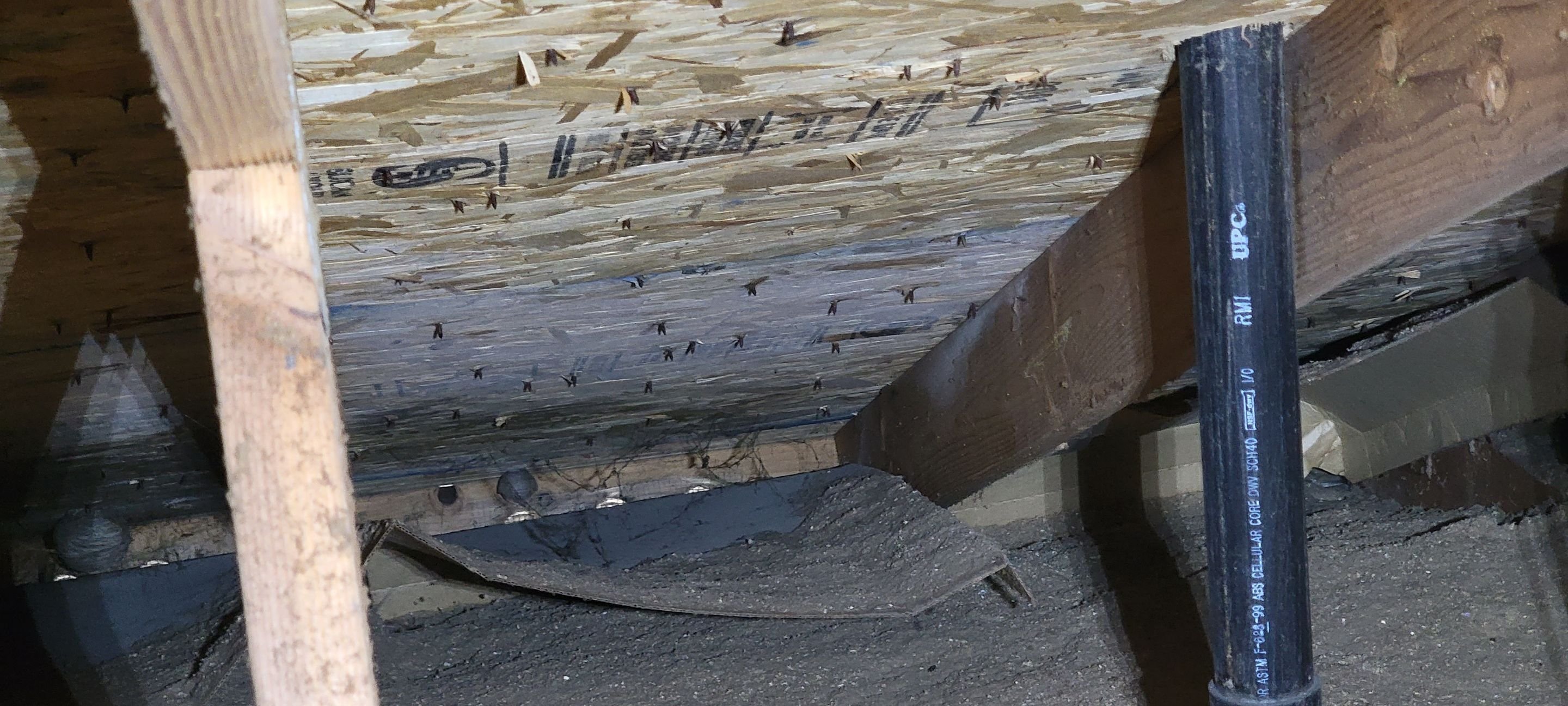
Many homeowners assume that buying or building a new home means mold problems are unlikely. However, in Canaveral Groves and surrounding Brevard County communities, mold can sometimes appear even in newly constructed homes.
Local property owners are often surprised to discover mold issues within the first few years of ownership. In Florida’s humid climate, even brand-new homes can develop moisture problems if conditions are right.
Understanding why mold sometimes occurs in new construction helps Cocoa-area homeowners protect their investment and maintain comfortable living spaces.
Let’s look at why mold can develop in new homes, how to recognize warning signs, and what property owners in Canaveral Groves should know.
Understanding Mold in Newly Built Homes
Mold needs only three things to grow:
- Moisture
- Organic material (like drywall or wood)
- Warm temperatures
New homes provide all of these conditions. Modern building materials, including drywall, wood framing, and insulation, can support mold growth if moisture becomes trapped.
In many new construction situations, mold growth begins when:
- Building materials are exposed to rain during construction
- Homes are sealed before materials fully dry
- HVAC systems are not balanced correctly
- Ventilation is inadequate
- Moisture accumulates in attics or walls
Because homes are built quickly, materials sometimes remain damp when construction moves forward. If trapped moisture isn’t addressed, mold can grow behind walls before homeowners even move in.
Why Mold Problems Occur in New Homes Around Canaveral Groves
Living in coastal Brevard County creates conditions where even modern homes face moisture challenges.
Florida’s Persistent Humidity
Humidity levels remain high most of the year. Even new homes must work hard to keep indoor moisture levels controlled.
If air conditioning systems are oversized or improperly configured, humidity may remain too high indoors.
Construction During Rainy Seasons
Many homes are built during Florida’s rainy months. Framing lumber and drywall can become wet during storms before roofs and windows are fully installed.
If materials are not thoroughly dried, mold growth can start early.
Tight Home Construction
Modern homes are built to be energy efficient, meaning they are tightly sealed. While this improves cooling efficiency, it can also trap moisture indoors if ventilation is insufficient.
HVAC and Ventilation Challenges
In some new homes, air conditioning systems are not properly calibrated to remove enough humidity. Additionally, poorly sealed ducts in hot attics can create condensation issues.
Attic Heat and Condensation
Florida attics become extremely hot, and when ventilation isn’t properly designed, moisture can condense on surfaces, encouraging mold growth.
Even newer homes can experience attic mold problems if airflow is restricted.
Common Signs Homeowners Notice
Mold in new construction often surprises homeowners because they don’t expect problems in recently built homes.
Common warning signs include:
- Musty smells in certain rooms
- Mold spots around air vents or closets
- Visible discoloration on ceilings or walls
- Excess condensation on windows
- Damp smells when AC runs
- Persistent indoor humidity
- Allergy or respiratory irritation indoors
Sometimes mold becomes visible within a year of moving in, while in other cases problems stay hidden for several years.
Hidden Mold Sources in New Homes
One of the biggest misconceptions is that mold only affects older homes. In reality, new homes sometimes hide mold growth inside areas residents rarely inspect.
Common hidden locations include:
Behind Drywall
Moisture trapped during construction or from minor plumbing leaks can create hidden mold colonies inside walls.
Under Flooring
New flooring installed over damp concrete slabs or after appliance leaks can trap moisture underneath.
Attic Spaces
Poor attic ventilation or roof leaks may lead to mold growth above ceilings.
Around HVAC Systems
Air handlers, drain lines, and duct systems sometimes leak or create condensation, allowing mold growth nearby.
Inside Closets or Exterior Walls
Humidity sometimes condenses along cooler exterior walls, especially in rooms with poor airflow.
Because these areas are hidden, homeowners often don’t notice problems until odors or air quality concerns develop.
Why DIY Mold Cleanup Often Falls Short
Homeowners discovering mold in a new home may try to clean the problem themselves, especially if the affected area seems small.
However, DIY cleanup frequently fails because:
- Cleaning addresses only visible mold
- Bleach doesn’t remove mold roots in porous materials
- Moisture problems remain unresolved
- Mold inside walls goes unnoticed
- Spores spread during improper cleaning
Simply wiping mold away or painting over stains rarely solves the underlying issue. Mold returns if moisture problems are not corrected.
How Professional Mold Inspection Works
Professional inspections focus on finding both visible and hidden mold sources.
A proper inspection typically includes:
Visual Evaluation
Inspectors check attics, HVAC systems, plumbing areas, and rooms showing moisture concerns.
Moisture Detection Tools
Specialized equipment identifies moisture trapped behind walls or under floors.
Air or Surface Sampling (When Appropriate)
Sampling may compare indoor air with outdoor conditions to determine whether mold levels are elevated.
Not every situation requires testing, but it can help clarify uncertain conditions.
Local specialists such as Cocoa Mold Removal regularly inspect newer homes across Canaveral Groves and surrounding communities, giving them insight into construction-related moisture challenges in the area.
What Proper Mold Remediation Looks Like
When mold contamination is found, remediation focuses on safe removal and correcting moisture sources.
Professional remediation typically includes:
Containment Measures
Work areas are sealed to prevent spores from spreading.
Removal of Contaminated Materials
If drywall or insulation is heavily affected, removal may be necessary.
Professional Cleaning & Filtration
HEPA filtration and specialized cleaning solutions remove spores from air and surfaces.
Correcting Moisture Sources
Leaks, ventilation issues, or humidity problems must be fixed.
Prevention Planning
Homeowners receive guidance on keeping moisture under control moving forward.
The goal is preventing mold from returning, not just cleaning it temporarily.
How Homeowners Can Prevent Mold in New Homes
Even in newly built homes, prevention remains essential.
Helpful steps include:
- Keeping indoor humidity below 60%
- Servicing air conditioning systems regularly
- Checking AC drain lines and filters
- Ensuring attic ventilation works properly
- Running bathroom and kitchen exhaust fans
- Inspecting the home after storms
- Monitoring areas around windows and doors
- Using dehumidifiers if needed
Addressing small moisture problems early prevents larger mold issues later.
Why Local Experience Matters
Mold conditions in Canaveral Groves differ from those in dry climates.
Local professionals understand:
- Coastal humidity patterns
- Storm and hurricane moisture risks
- Construction practices common in Brevard County
- HVAC challenges in Florida homes
- Slab foundation moisture behavior
- Attic ventilation concerns in new construction
Experience with local conditions allows quicker identification of problem areas.
A Calm Next Step for Property Owners
Discovering mold concerns in a new home can be frustrating, but most problems are manageable when addressed early.
A professional inspection simply helps homeowners understand what is happening and determine whether corrective action is needed.
For residents in Canaveral Groves, Cocoa, West Cocoa, Cocoa Beach, Port St. John, and surrounding Brevard County communities, early evaluation protects both home value and indoor comfort.
When concerns arise, having a home professionally evaluated offers clarity and peace of mind, ensuring the home remains a safe and comfortable place to live.