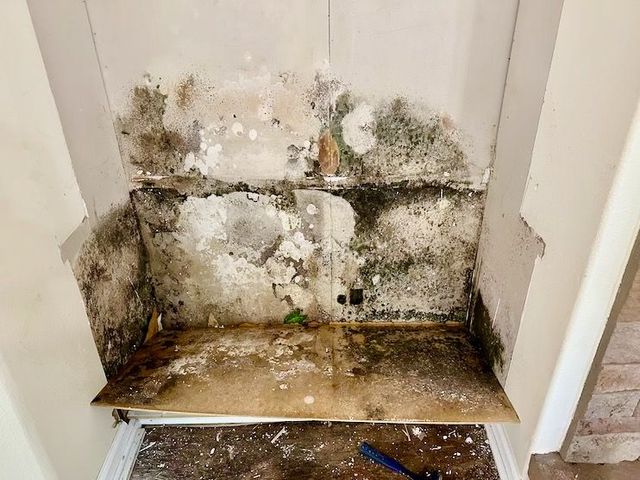
Mold in Laundry Rooms in Cocoa Beach: What Cocoa Area Property Owners Should Know
Laundry rooms are one of the most common places for mold to develop in Cocoa Beach homes—and one of the easiest to overlook. Because laundry rooms deal with water, heat, humidity, and limited airflow all in one space, they quietly create ideal conditions for moisture problems. In a coastal environment like Cocoa Beach, those conditions are amplified.
Property owners in Cocoa Beach, Cocoa, West Cocoa, Port St. John, Sharpes, and Canaveral Groves often discover laundry room mold only after noticing musty odors, warped cabinets, or staining behind appliances. By the time mold is visible, moisture has usually been present for a while.
This article explains why laundry rooms are high-risk areas for mold, where growth usually starts, what warning signs to watch for, and what Cocoa-area property owners should understand to prevent repeat problems.
Why Laundry Rooms Are High-Risk Areas for Mold in Cocoa Beach
Laundry rooms combine several elements mold thrives on:
- Frequent water use
- High humidity
- Warm temperatures
- Limited ventilation
- Hidden plumbing connections
In Cocoa Beach, outdoor humidity remains high most of the year. When warm, moist air enters a laundry room—especially one without a window or exhaust fan—drying becomes very slow. Even small amounts of moisture can linger long enough to support mold growth.
Laundry rooms located inside the home, in closets, or in garages are particularly vulnerable because airflow is often restricted.
How Coastal Conditions Make Laundry Room Mold Worse
Cocoa Beach’s coastal climate adds additional challenges:
- Constant ocean humidity
- Salt air affecting appliances and fittings
- Frequent rain and storms
- Long AC run times creating condensation
Laundry rooms are often cooler than surrounding spaces due to tile floors and nearby plumbing. When humid air enters and contacts these cooler surfaces, condensation forms—often without homeowners noticing.
Common Moisture Sources in Laundry Rooms
Laundry room mold rarely comes from a single major leak. More often, it’s caused by small, repeated moisture events.
Common sources include:
- Washing machine supply hose leaks
- Drain line backups or slow drains
- Overflow from washing machines
- Loose fittings behind appliances
- Condensation on cold water lines
- Dryer vent moisture buildup
- Spills that aren’t fully dried
- Moist air trapped in enclosed rooms
Because washers and dryers are rarely moved, moisture behind them often goes unnoticed.
Where Mold Commonly Develops in Laundry Rooms
Mold growth in laundry rooms is often hidden until it becomes well established.
Behind Washing Machines and Dryers
This is one of the most common locations. Small leaks or condensation can soak drywall and flooring behind appliances without visible surface signs.
Under Flooring
Tile, laminate, or vinyl flooring can trap moisture beneath it. Mold may grow on subflooring without affecting the surface until damage progresses.
Inside Cabinets
Laundry room cabinets often conceal plumbing lines. Leaks under utility sinks or behind cabinets allow mold to grow unseen.
On Walls Near Plumbing Lines
Drywall around supply lines, drains, or shutoff valves is especially vulnerable to moisture intrusion.
On Ceilings
In multi-level homes or condos, leaks from units above or condensation from ductwork can cause mold on laundry room ceilings.
Why Laundry Room Mold Often Smells Before It’s Seen
One of the earliest warning signs is odor.
Property owners often notice:
- Musty or earthy smells near the laundry area
- Odors stronger after running the washer
- Damp smells when opening laundry room doors
- Odors that worsen during humid weather
Because mold often grows behind appliances or inside walls, odor frequently appears before any visible mold.
The Role of Washing Machine Hoses and Connections
Washing machine hoses are a major risk factor—especially older rubber hoses.
Problems include:
- Slow drips that go unnoticed
- Sudden hose failures
- Loose connections at shutoff valves
- Vibrations causing fittings to loosen
Even minor leaks can release enough moisture to support mold growth in Cocoa Beach’s humid environment.
Dryer Vents and Moisture Buildup
Dryers produce heat and moisture, and improper venting can trap that moisture inside the home.
Common dryer-related issues include:
- Vents disconnected inside walls
- Crushed or kinked vent hoses
- Lint buildup restricting airflow
- Moist air venting into garages or attics
When moist air isn’t vented properly outdoors, humidity builds up in the laundry room and surrounding areas.
Why Mold Often Returns After Cleaning
Many Cocoa Beach property owners clean visible mold only to see it come back weeks later.
This happens because:
- Moisture sources remain active
- Mold is growing behind walls or flooring
- Humidity remains too high
- Appliances continue producing condensation
Surface cleaning may remove visible growth, but it doesn’t address the conditions that allowed mold to develop.
How Laundry Room Mold Can Spread
Laundry room mold doesn’t always stay contained.
Mold spores and odors can spread through:
- Open doorways
- HVAC air movement
- Shared wall cavities
- Adjacent closets or hallways
Laundry rooms located near bedrooms or living spaces can quietly affect indoor air quality throughout the home.
Why DIY Mold Cleanup Often Fails in Laundry Rooms
DIY cleanup is common—but often ineffective long term.
DIY methods fail because:
- Mold is hidden behind appliances or walls
- Bleach doesn’t penetrate drywall or flooring
- Moisture sources aren’t corrected
- Condensation continues forming
- Ventilation remains inadequate
In Cocoa Beach’s climate, mold problems almost always return unless moisture and airflow are addressed.
When Professional Mold Inspection Makes Sense
Professional inspection is strongly recommended when:
- Musty odors persist near the laundry room
- Mold keeps returning after cleaning
- Flooring or cabinets show damage
- There’s a history of leaks or overflows
- You’re buying or selling a coastal property
- Indoor humidity remains difficult to control
A proper inspection focuses on moisture behavior, not just visible mold.
What a Laundry Room Mold Inspection Typically Includes
A professional mold inspection may involve:
- Visual assessment behind appliances
- Moisture readings in walls and floors
- Inspection of plumbing connections
- Evaluation of dryer venting
- HVAC and humidity assessment
- Air or surface sampling when appropriate
The goal is to determine where moisture is coming from and whether mold growth is active or hidden.
Mold Remediation in Laundry Rooms
When mold is confirmed, remediation focuses on removal and prevention.
Proper remediation may include:
- Removal of affected drywall or flooring
- Cleaning and treatment of framing materials
- Drying and dehumidification
- Repair or replacement of plumbing components
- Improving ventilation or airflow
- Post-remediation verification
Addressing only visible mold without correcting moisture sources almost always leads to repeat problems.
Preventing Mold in Cocoa Beach Laundry Rooms
Laundry room mold can often be prevented with proactive steps:
- Replace old washing machine hoses
- Inspect connections regularly
- Ensure dryers vent outdoors properly
- Clean dryer vents periodically
- Keep indoor humidity below 55%
- Allow airflow by leaving doors open occasionally
- Dry spills immediately
- Inspect behind appliances after storms
In coastal homes, routine moisture checks are especially important.
Why Local Experience Matters
Laundry room mold in Cocoa Beach behaves differently than in inland or drier climates. Local professionals understand:
- Coastal humidity patterns
- Common laundry room layouts in beach homes
- How salt air affects plumbing and appliances
- Typical ventilation challenges in Cocoa Beach properties
That local knowledge leads to more accurate inspections and practical recommendations. Many property owners rely on experienced local providers like Cocoa Mold Removal for evaluations focused on long-term moisture control rather than temporary fixes.
A Practical Takeaway for Property Owners
Laundry rooms may seem like small spaces, but they can create big mold problems in Cocoa Beach homes. Constant moisture, limited airflow, and hidden plumbing connections make them one of the most common starting points for mold growth.
If you notice musty odors, recurring moisture, or damage near your laundry area, it’s worth taking a closer look. Early inspection and moisture control can prevent more extensive damage and help keep mold from spreading to other parts of the home.