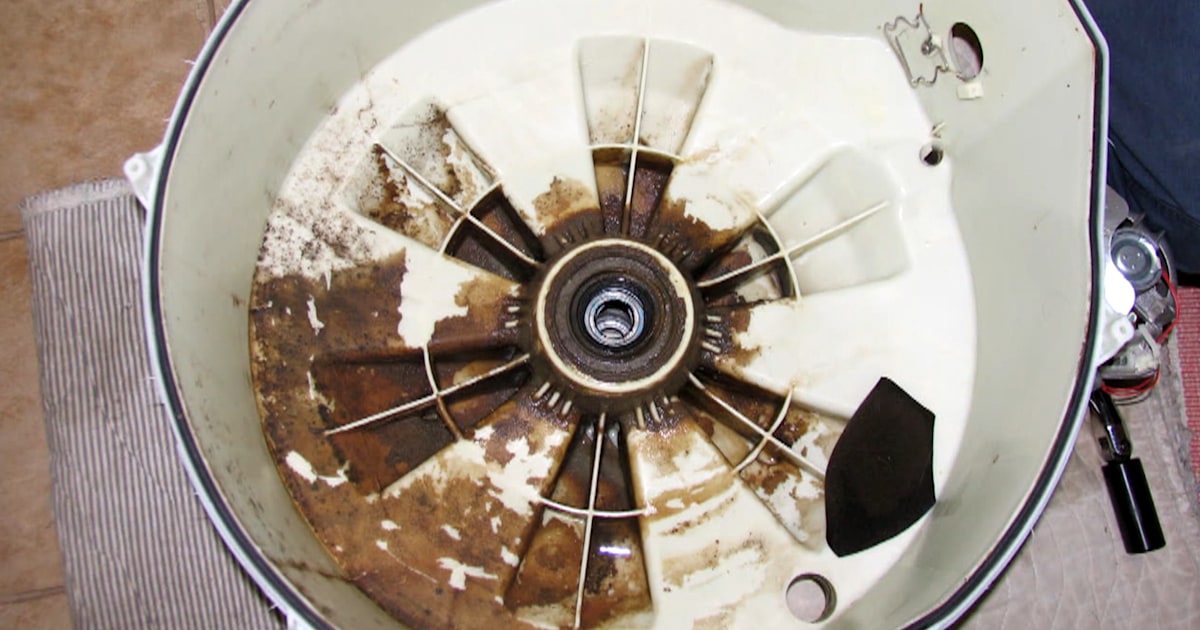
Mold in Laundry Rooms in Brevard County: What Cocoa Area Property Owners Should Know
Laundry rooms are one of the most common—and most underestimated—sources of mold in homes across Brevard County. From Cocoa and West Cocoa to Cocoa Beach, Sharpes, and Port St. John, laundry rooms combine everything mold needs to thrive: water supply lines, drain hoses, humidity, limited ventilation, and appliances that generate heat and moisture. When even one of these elements is poorly managed, mold can develop quietly and spread into surrounding walls, floors, and living spaces.
For Cocoa area property owners, mold in laundry rooms is rarely caused by dramatic flooding. Instead, it usually results from slow leaks, condensation, poor airflow, and everyday appliance use. Because laundry rooms are often tucked away in closets, hallways, or garages, early warning signs are frequently missed—allowing mold to grow undetected.
This guide explains why laundry rooms are high-risk areas for mold in Brevard County, where mold typically forms, early warning signs to watch for, health and property risks, and practical steps property owners can take to prevent and address laundry-room mold problems.
Why Laundry Rooms Are Mold Hotspots in Brevard County
Laundry rooms bring together multiple moisture sources in a small space.
Key mold-driving factors include:
- High outdoor and indoor humidity
- Washing machines using large volumes of water
- Drain hoses and supply lines under pressure
- Condensation from cold water lines
- Dryer moisture and heat
- Limited ventilation or airflow
In Florida’s climate, moisture that would dry quickly elsewhere often lingers long enough for mold to grow.
Hidden Plumbing Leaks: The Biggest Culprit
One of the most common causes of laundry-room mold is slow, hidden plumbing leaks.
Typical sources include:
- Loose or aging supply hoses
- Cracked or poorly seated drain hoses
- Leaking standpipes
- Shutoff valves that seep over time
These leaks often go unnoticed behind appliances, allowing water to soak drywall, baseboards, and subfloors for weeks or months.
Condensation on Water Lines and Appliances
Even without leaks, condensation can create enough moisture to cause mold.
Common condensation issues include:
- Cold water lines “sweating” in humid air
- Moisture forming on washer exteriors
- Condensation dripping onto floors or walls
When laundry rooms lack airflow, this moisture never fully evaporates.
Dryer Moisture and Ventilation Problems
Dryers generate heat and moisture, and when ventilation is poor, that moisture stays indoors.
Common problems include:
- Clogged or disconnected dryer vents
- Dryer vents terminating inside garages or attics
- Excess humidity from electric dryers
- Heat buildup encouraging condensation
Moist, warm air trapped in laundry rooms creates ideal mold conditions.
Where Mold Commonly Grows in Laundry Rooms
Laundry-room mold is often hidden until it becomes advanced.
Behind Washing Machines
This is one of the most common mold locations due to leaks and condensation.
Under Flooring
Water from leaks or condensation often spreads under tile, vinyl, or laminate.
On Lower Wall Sections
Moisture wicks up from floors into drywall and baseboards.
Inside Cabinets and Shelving
Laundry storage cabinets trap humidity and hide leaks.
Ceilings and Adjacent Walls
Leaks from upstairs laundry rooms often cause ceiling mold below.
Why Laundry-Room Mold Often Goes Unnoticed
Laundry-room mold is frequently missed because:
- Appliances block visibility
- Rooms are used briefly and infrequently
- Odors dissipate when doors are open
- Damage develops slowly
By the time mold is visible, it has often spread beyond the laundry room.
Early Warning Signs of Mold in Laundry Rooms
Property owners should watch for:
- Musty or damp odors near washers or dryers
- Odors strongest after laundry use
- Warped baseboards or flooring
- Bubbling or peeling paint
- Rusting appliance parts
- Damp or discolored walls
- Mold returning after cleaning
Odors are often the first and most reliable warning sign.
Musty Smells That Spread Beyond the Laundry Room
Laundry-room mold doesn’t stay contained.
Odors and spores can spread through:
- Hallways and closets
- Shared walls
- HVAC airflow
- Adjacent rooms
If musty smells are noticeable outside the laundry area, mold growth may already be significant.
Health and Indoor Air Quality Concerns
Mold in laundry rooms can impact indoor air quality throughout the home.
Possible symptoms include:
- Sneezing or nasal congestion
- Persistent coughing
- Headaches or fatigue
- Worsening asthma or allergies
- Throat or eye irritation
Clothing stored or washed in moldy environments can also carry spores into living spaces.
Mold After Appliance Failures or Overflows
Washer malfunctions and overflows are common mold triggers.
After an overflow:
- Water spreads under flooring quickly
- Drying is often incomplete
- Mold can begin growing within 24–48 hours
Immediate drying is critical to prevent mold development.
Why Cleaning Alone Rarely Solves the Problem
Surface cleaning often fails because:
- Moisture sources remain active
- Mold grows behind walls or under floors
- Humidity remains high
- Appliances block full access
Without addressing leaks, condensation, and ventilation, mold almost always returns.
Laundry Rooms in Garages and Closets
Laundry rooms located in:
- Garages
- Hall closets
- Enclosed utility rooms
are at even higher risk due to poor ventilation and temperature swings.
When Professional Evaluation Is Recommended
Professional assessment is strongly recommended when:
- Mold keeps returning
- Odors persist despite cleaning
- Flooring or walls show damage
- Health symptoms are present
- Leaks lasted more than a short time
- The laundry room is near living spaces
Professionals can locate hidden moisture and determine the full extent of contamination.

Preventing Mold in Laundry Rooms in Brevard County
Inspect Plumbing Regularly
Check hoses, valves, and drains for leaks.
Upgrade Supply Lines
Use braided stainless-steel hoses and replace them periodically.
Improve Ventilation
Ensure dryer vents exhaust outdoors and keep them clean.
Control Indoor Humidity
Maintain indoor humidity between 30% and 50%.
Allow Airflow
Leave doors open after laundry use to help moisture dissipate.
Elevate Appliances if Needed
Protect flooring in flood-prone areas.
Mold in Laundry Rooms and Rental Properties
For landlords, laundry-room mold creates added risk.
Ignoring issues can lead to:
- Tenant complaints
- Habitability disputes
- Insurance complications
- Costly remediation
Routine inspections and quick repairs are essential.
Long-Term Risks of Ignoring Laundry-Room Mold
Delaying action can result in:
- Structural damage
- Flooring and wall replacement
- HVAC contamination
- Reduced property value
- Increased remediation costs
Laundry-room mold rarely stays confined to one space.
Final Thoughts for Cocoa Area Property Owners
Mold in laundry rooms in Brevard County is common, preventable, and often hidden. Constant water use, humidity, and limited ventilation make these spaces especially vulnerable in Florida’s climate.
Property owners who inspect plumbing regularly, control humidity, maintain dryer ventilation, and take musty odors seriously can prevent minor laundry-room moisture issues from becoming major mold problems. In Brevard County, small utility spaces can create big mold headaches if ignored.
Early detection, proper ventilation, and proactive moisture control remain the most effective strategies for protecting both indoor air quality and long-term property value.