Mold in Laundry Rooms in Brevard County: What Cocoa Area Property Owners Should Know
Laundry rooms are one of the most common places mold develops in homes across Brevard County, yet they’re often overlooked until the problem becomes hard to ignore. Many property owners focus on bathrooms and kitchens when thinking about moisture, but laundry rooms quietly combine water, heat, humidity, and limited airflow—the exact conditions mold needs to grow.
In Cocoa, Cocoa Beach, West Cocoa, Port St. John, Sharpes, and Canaveral Groves, laundry rooms are especially vulnerable due to Florida’s high humidity, slab foundations, and year-round air conditioning use. Even without a major leak, small amounts of moisture from washing machines, dryer vents, and plumbing connections can build up over time, leading to hidden mold growth behind walls, under flooring, and around appliances.
This article explains why mold is so common in laundry rooms in Brevard County, where it typically develops, what warning signs property owners should watch for, and what matters most when preventing laundry-room moisture from turning into a long-term mold issue.
Why Laundry Rooms Are High-Risk Areas for Mold
Laundry rooms bring together multiple moisture sources in a confined space.
Common risk factors include:
- Washing machine water supply and drain lines
- Dryer heat and humidity
- Condensation on cold water lines
- Limited ventilation
- Slab foundations that hold moisture
In Florida’s climate, these conditions make it easy for moisture to linger long enough for mold to grow—even when the room looks clean and well maintained.
Washing Machine Leaks: Big and Small
Washing machines are one of the most frequent sources of hidden moisture.
Problems include:
- Loose supply hoses
- Worn drain connections
- Small drips during cycles
- Overflow events that dry slowly
Even minor leaks can soak into flooring, drywall, or cabinetry, feeding mold growth long after the water is wiped up.
Slow Leaks Are the Most Dangerous
The most damaging leaks are often the hardest to notice.
Slow leaks may:
- Occur behind the machine
- Happen only during certain cycles
- Leave no visible puddles
Over time, these leaks keep materials damp, allowing mold to grow quietly behind walls or under flooring.
Dryer Moisture and Vent Issues
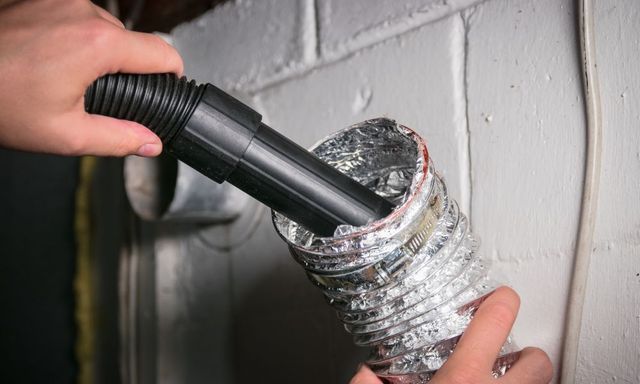
Dryers produce warm, moist air—and if that moisture isn’t vented properly, it can cause mold problems.
Common dryer-related issues include:
- Poorly connected dryer vents
- Crushed or blocked vent lines
- Vents that leak moisture into walls
- Excess humidity in the laundry room
Moist air that doesn’t exit the home properly often condenses on cool surfaces, creating mold-friendly conditions.
Condensation on Plumbing Lines
Laundry rooms often contain exposed cold water lines.
Condensation forms when:
- Humid air contacts cold pipes
- AC runs continuously
- Ventilation is limited
Over time, dripping condensation can wet walls, floors, and cabinets—especially in slab homes common in Brevard County.
Flooring and Slab Foundation Moisture
Most homes in Brevard County are built on slab foundations, which play a major role in laundry-room mold.
Slabs can:
- Absorb moisture from the ground
- Release moisture upward
- Keep flooring materials damp
When combined with washing machine leaks or condensation, slab moisture creates ideal conditions for mold under tile, vinyl, or laminate flooring.
Where Mold Commonly Develops in Laundry Rooms
Behind Washing Machines
One of the most common hidden locations.
Mold often grows:
- On drywall behind the machine
- On baseboards and lower walls
- On flooring beneath the unit
These areas are rarely inspected, allowing mold to spread unnoticed.
Under and Around Flooring
Flooring hides moisture well.
Mold may develop:
- Beneath vinyl or laminate
- Under tile grout lines
- On the slab surface
Musty odors or soft spots are often the first clues.
Inside Walls Near Plumbing
Laundry rooms usually share walls with bathrooms or kitchens.
Mold may grow:
- Inside wall cavities
- Around pipe penetrations
- Near shutoff valves
Because walls hide damage, mold often spreads before being discovered.
Laundry Room Ceilings
Ceiling mold can appear after moisture events.
Common causes include:
- Leaks from upstairs plumbing
- Roof leaks above the laundry area
- Poor ventilation allowing humidity to rise
Ceiling stains or discoloration should never be ignored.
Cabinets and Shelving
Cabinetry traps moisture easily.
Mold often grows:
- Under laundry sinks
- Inside cabinets near plumbing
- On shelving storing detergents or linens
Swollen materials or musty odors are common warning signs.
Why Mold in Laundry Rooms Often Smells Before It’s Seen
Many laundry-room mold problems are first noticed by odor, not visible growth.
Musty smells occur because:
- Mold releases gases as it grows
- Enclosed spaces trap odors
- HVAC airflow spreads smells into nearby rooms
If the laundry room smells damp or earthy, mold is often already present.
HVAC Airflow and Laundry Rooms
Laundry rooms often receive poor airflow from HVAC systems.
This creates problems because:
- Humidity isn’t removed efficiently
- Temperatures fluctuate
- Moisture lingers after laundry cycles
Rooms with limited airflow are more likely to develop mold.
Why Mold Often Returns After Cleaning
Property owners frequently clean visible mold, only to see it come back.
This happens because:
- Moisture sources remain active
- Hidden mold isn’t addressed
- Flooring or walls remain damp
Cleaning alone doesn’t solve laundry-room mold problems.
DIY Mold Cleanup Risks in Laundry Rooms
DIY cleanup can make the problem worse.
Risks include:
- Spreading mold spores
- Leaving materials wet after cleaning
- Masking odors without fixing moisture
- Missing hidden mold behind appliances
Laundry-room mold often requires moisture correction, not just surface cleaning.
The Importance of Moisture Detection
Moisture detection is critical for laundry rooms.
It helps:
- Identify damp drywall
- Locate wet flooring
- Detect moisture behind walls
- Prevent unnecessary demolition
Without moisture detection, mold sources are often missed.
When Mold Testing Is Considered
Testing isn’t always necessary—but it can help in certain cases.
Testing may be useful when:
- Mold is suspected but not visible
- Odors persist after repairs
- Multiple rooms are affected
- Documentation is needed
Testing should always be paired with moisture inspection.
Why Professional Evaluation Matters
Laundry-room mold often involves multiple moisture sources.
Professional evaluation helps:
- Identify hidden leaks
- Assess slab-related moisture
- Inspect behind appliances safely
- Evaluate ventilation and airflow
Many Brevard County property owners work with experienced local providers like Cocoa Mold Removal because understanding Florida humidity, slab foundations, and appliance-related moisture is essential for accurate assessment.
Preventing Mold in Laundry Rooms
Prevention focuses on moisture control and routine checks.
Helpful steps include:
- Inspecting washing machine hoses regularly
- Ensuring dryer vents are sealed and clear
- Running exhaust fans or improving airflow
- Keeping indoor humidity below 55%
- Drying spills immediately
- Pulling appliances away from walls periodically
Small habits make a big difference.
Laundry Room Mold and Property Value
Unresolved mold issues can affect:
- Home inspections
- Buyer confidence
- Rental desirability
- Long-term maintenance costs
Laundry rooms are often inspected closely during real estate transactions.
Monitoring Laundry Rooms Over Time
Laundry rooms should be checked regularly.
Property owners should:
- Pay attention to odors
- Inspect behind appliances
- Watch for flooring changes
- Monitor humidity levels
- Check after plumbing repairs
Early detection prevents costly repairs later.
A Practical Takeaway for Property Owners
Mold in laundry rooms in Brevard County is extremely common because these spaces combine water, humidity, heat, and limited airflow. Washing machine leaks, dryer moisture, condensation, and slab foundation moisture often work together to create hidden mold problems that aren’t immediately visible.
Property owners who focus on early leak detection, humidity control, airflow, and routine inspection are far more successful at preventing laundry-room mold from becoming a recurring issue. In Cocoa and throughout Brevard County, paying close attention to laundry rooms is an important part of protecting indoor comfort, air quality, and long-term property value.