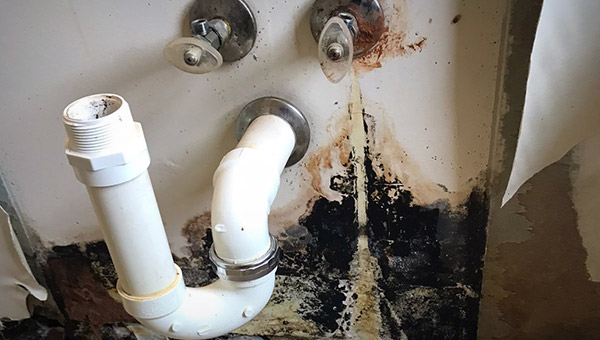
Mold in Kitchens in Sharpes: What Cocoa Area Property Owners Should Know
Kitchens are often the busiest rooms in homes across Sharpes and the greater Cocoa area. Between cooking, cleaning, dishwashing, and everyday family activity, kitchens regularly deal with water, heat, and humidity. Because of this constant moisture exposure, kitchens can become unexpected locations for mold growth when small leaks or ventilation problems go unnoticed.
In Brevard County, high outdoor humidity adds another layer of moisture stress inside homes. Even when kitchens appear clean and dry, moisture sometimes builds up behind cabinets, under sinks, or inside walls. Homeowners frequently discover mold only after noticing odors or damage during repairs.
For property owners in Sharpes, Cocoa, Cocoa Beach, West Cocoa, Port St. John, and Canaveral Groves, understanding how mold develops in kitchens helps prevent larger problems and protects long-term home value.
Why Kitchens Are Vulnerable to Mold Growth
Mold spores naturally exist in indoor and outdoor air at all times. They only begin growing when moisture remains present long enough to support growth.
Kitchens experience frequent moisture exposure from:
- Dishwashing and sink use
- Steam from cooking
- Refrigerator condensation
- Dishwasher leaks
- Ice maker or water line leaks
- Plumbing lines inside walls
- Wet cleaning practices
- Food preparation splashes
When moisture becomes trapped behind cabinets or beneath flooring, mold growth can begin within 24 to 48 hours.
Because kitchens contain many hidden plumbing lines and appliances, moisture problems sometimes go unnoticed until mold develops.
Why Kitchen Mold Is Common in Sharpes Homes
Homes in Sharpes face climate conditions that make kitchen mold problems more common than in drier regions.
High Humidity Throughout the Year
Florida’s humidity slows drying, allowing surfaces to remain damp longer.
Frequent Storm and Rain Exposure
Heavy storms sometimes cause roof leaks or water intrusion affecting kitchens below.
Slab Foundation Construction
Many homes are built on slabs, allowing moisture to become trapped beneath flooring after leaks.
Continuous Air Conditioning Use
Air-conditioning systems operate most of the year, and condensation problems sometimes create hidden moisture inside walls.
Aging Plumbing Systems
Older plumbing lines or fittings sometimes develop slow leaks inside cabinets or walls.
Because moisture rarely dries quickly without assistance, small kitchen leaks sometimes lead to hidden mold growth.
Signs Mold May Be Developing in a Kitchen
Kitchen mold often begins in concealed areas before becoming visible.
Common warning signs include:
- Musty odors near cabinets or sinks
- Dark spots under sinks
- Bubbling paint or wall discoloration
- Warped cabinet bases or flooring
- Mold on caulking or grout
- Persistent damp smells after cleaning
- Staining near appliances
Sometimes mold is discovered only when cabinets are removed or flooring is replaced.
If odors remain after cleaning, hidden moisture may still be present.
Hidden Areas Mold Often Grows in Kitchens
Mold frequently grows where homeowners rarely look, allowing contamination to spread unnoticed.
Common hidden mold locations include:
Under Kitchen Sinks
Slow plumbing leaks often soak cabinet bases and walls.
Behind Cabinets
Moisture trapped behind cabinetry allows mold to spread without being seen.
Beneath Flooring
Leaks from dishwashers or refrigerators may allow water to seep under floors.
Inside Walls
Water supply or drain lines sometimes leak inside wall cavities.
Around Dishwashers
Dishwasher door seals or hose leaks sometimes allow water to accumulate.
Near Refrigerators
Ice maker or water line leaks can create hidden moisture.
Because water travels easily through materials, mold sometimes spreads far beyond the original leak source.
Why Mold Often Returns After Cleaning
Homeowners often try to clean mold with household products, only to see it return weeks later.
Common reasons mold reappears include:
Moisture Problems Remain
Leaks or humidity conditions are not corrected.
Mold Exists Behind Surfaces
Cleaning visible spots does not remove hidden contamination.
Porous Materials Absorb Moisture
Cabinets, drywall, and flooring retain moisture.
Mold Spores Spread During Cleaning
Disturbing mold without containment spreads spores.
Without correcting moisture sources, mold growth usually returns.
How Professional Mold Inspection Helps
A professional inspection helps determine whether hidden moisture or mold exists behind kitchen surfaces.
Inspection steps often include:
Visual Evaluation
Inspectors check cabinets, walls, ceilings, and appliances for water damage patterns.
Moisture Detection Tools
Meters help locate damp materials inside walls and flooring without causing damage.
Thermal Imaging
Infrared cameras reveal hidden moisture pockets.
Testing When Needed
Air or surface sampling may confirm elevated mold conditions.
Identifying Moisture Sources
Inspectors determine whether plumbing, roofing, or ventilation issues exist.
In many Sharpes homes, inspections reveal slow plumbing leaks homeowners never noticed.
How Mold Remediation Addresses Kitchen Mold Problems
If mold contamination is confirmed, remediation focuses on safe removal while correcting moisture conditions.
Typical remediation steps include:
Containment Setup
Affected areas are sealed to prevent spores from spreading.
Air Filtration
Air scrubbers remove airborne spores during cleanup.
Removal of Damaged Materials
Severely affected cabinets, drywall, or flooring may need replacement.
Cleaning and Treatment
Salvageable surfaces are professionally cleaned.
Moisture Correction
Leaks or ventilation problems are repaired.
Final Evaluation
Areas are checked before reconstruction begins.
The focus is preventing mold from returning rather than temporary cleanup.
Professionals serving Brevard County, including Cocoa Mold Removal, regularly address kitchen mold because moisture problems in these spaces are common locally.
Why Acting Quickly Matters
Delaying mold cleanup allows contamination to spread and increases repair costs.
Early action helps:
- Prevent mold from spreading into other rooms
- Reduce repair expenses
- Improve indoor comfort
- Avoid recurring moisture problems
- Maintain property value
Small moisture problems are easier to correct before they expand.
How Homeowners Can Prevent Kitchen Mold
Preventive maintenance greatly reduces mold risks in kitchens.
Helpful prevention steps include:
- Inspect plumbing under sinks regularly
- Repair leaks immediately
- Run exhaust fans while cooking
- Keep cabinet interiors dry
- Check dishwasher and refrigerator connections
- Wipe up spills quickly
- Inspect ceilings after storms
- Monitor indoor humidity levels
- Maintain AC systems and drain lines
Routine checks help catch problems early before mold spreads.
Why Local Mold Experience Matters
Mold behavior varies depending on climate and construction style. Professionals familiar with Sharpes and Cocoa-area homes understand how Florida weather affects kitchen moisture conditions.
Local experience helps identify:
- Common plumbing leak patterns
- Slab foundation moisture concerns
- AC condensation issues
- Seasonal humidity impacts
- Older construction vulnerabilities
Professionals working throughout Brevard County frequently address kitchen mold because moisture challenges are common in local homes.
A Practical Next Step for Sharpes Homeowners
If your kitchen has experienced leaks, storm damage, or persistent odors, evaluating conditions early can help prevent mold from spreading.
Even when surfaces appear dry, hidden moisture may still exist behind cabinets or beneath flooring. Professional evaluation helps determine whether remediation or moisture correction is needed.
For homeowners in Sharpes and nearby Cocoa-area communities, addressing kitchen moisture concerns early helps maintain indoor comfort while preventing larger repair projects later. Taking action promptly helps protect both your home and long-term property value.