Mold in Garages in West Cocoa: What Cocoa Area Property Owners Should Know
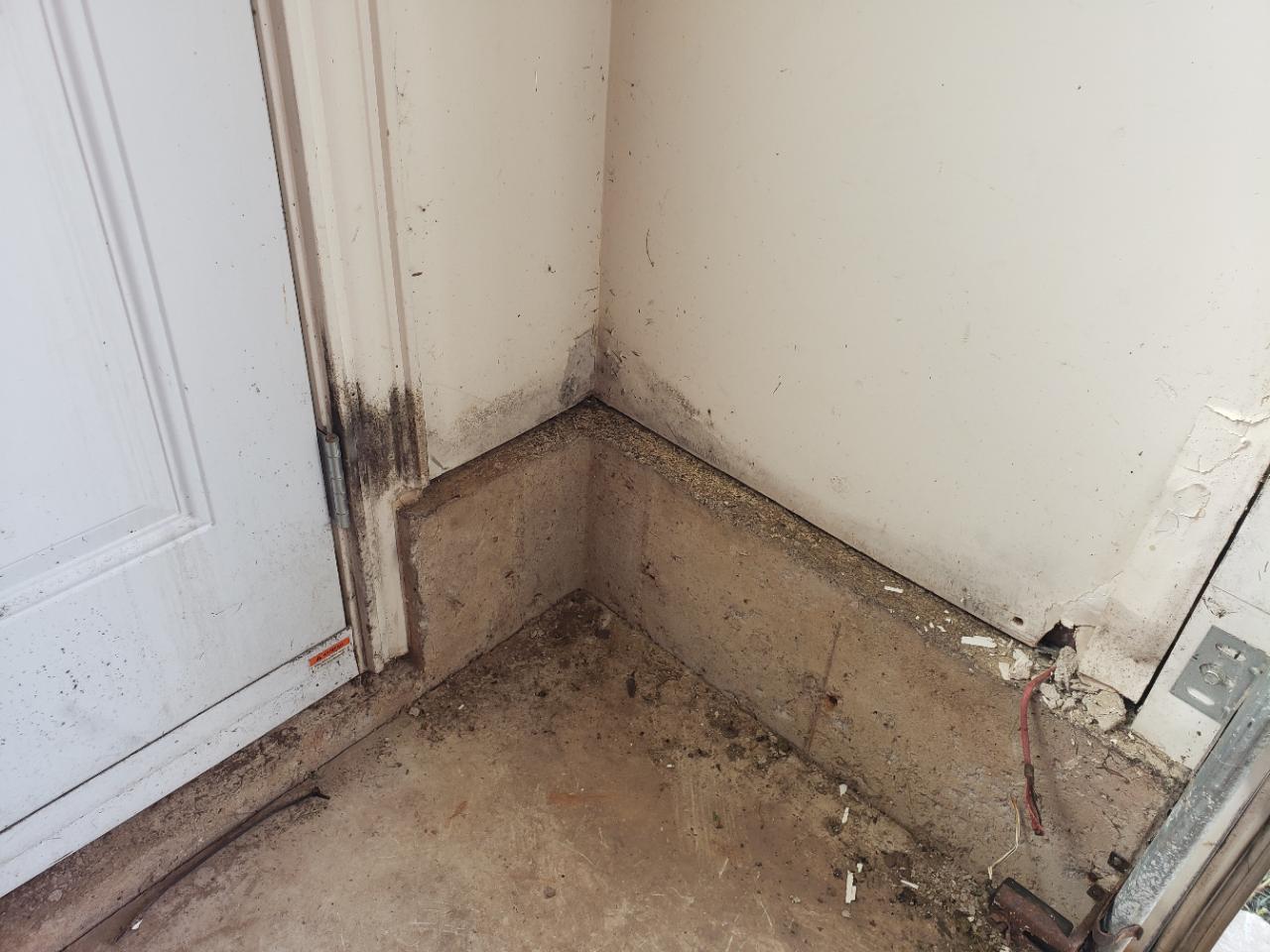
Why Garages Are Mold Hotspots in West Cocoa
Most garages are not climate-controlled. That one detail changes everything.
Garages often have:
- Poor airflow
- High humidity
- Temperature swings
- Concrete slab floors that hold moisture
- Frequent outdoor air exchange
In coastal and inland Central Florida climates, humidity stays high most of the year. Warm, moist air enters garages through:
- Garage door gaps
- Attic vents
- Exterior cracks
- Open doors during daily use
When that humid air meets cooler surfaces—especially concrete floors or shaded walls—condensation forms.
Condensation equals moisture.
Moisture equals mold.
And mold doesn’t need much time.
In many cases, growth begins within 24–48 hours.
The Hidden Moisture Sources Most Property Owners Miss
Many owners assume mold only appears after flooding or leaks. In garages, that’s rarely true.
Here are the most common hidden triggers in West Cocoa properties.
Humidity Buildup
Garages typically lack insulation and HVAC airflow. Moist air enters and stays trapped.
Items that increase humidity include:
- Wet vehicles after rainstorms
- Lawn equipment
- Damp storage boxes
- Paint cans or chemicals releasing vapor
Over time, the air stays damp long enough for mold to grow on:
- Drywall
- Cardboard
- Wood shelving
- Ceiling framing
Concrete Slab Moisture
Most homes in the Cocoa area sit on slab foundations.
Concrete is porous. It naturally absorbs moisture from the ground and slowly releases it upward. That process is called vapor transmission, and it’s a major mold trigger.
Garage floors often feel dry—but still release enough moisture to create mold problems along:
- Baseboards
- Storage boxes
- Wall bottoms
Poor Ventilation
Unlike living areas, garages rarely have:
- Exhaust fans
- Balanced airflow
- Dehumidification
Without airflow, moisture builds quietly.
Small Roof or Wall Leaks
Tiny leaks above garages often go unnoticed longer because garages are not frequently inspected.
Signs include:
- Light staining on ceiling drywall
- Musty odors
- Peeling paint
Left untreated, these small leaks become large mold colonies.
Why Garage Mold Matters More Than Most Owners Think
It’s easy to treat garage mold like a cosmetic issue.
It’s not.
Garage mold often spreads into:
- Interior wall cavities
- HVAC return pathways
- Attic spaces
Once mold enters shared structural areas, remediation becomes significantly more expensive.
Garages also commonly store:
- Furniture
- Tools
- Holiday decorations
- Documents
- Clothing
Cardboard and fabric are prime mold food sources.
One humid season can destroy stored belongings without obvious warning.
Early Warning Signs of Mold in Garages
Mold rarely announces itself clearly at first.
Property owners should watch for subtle indicators.
Visual Signs
- Dark spotting on drywall or ceiling edges
- White or green patches on wood framing
- Warping on baseboards
- Discoloration near the slab floor line
These often appear first in corners or behind shelving.
Odor Changes
A musty smell in the garage is one of the strongest early indicators.
If the smell gets stronger after rain, moisture is likely involved.
Condensation Patterns
Look for:
- Water droplets on garage doors
- Damp floor edges
- Moisture on stored plastic bins
Condensation patterns usually appear before visible mold.
Storage Habits That Accidentally Encourage Mold
Many garage mold problems come from storage decisions—not structural failures.
Common mistakes include:
Cardboard Boxes on the Floor
Cardboard absorbs moisture quickly and feeds mold growth.
Storing Damp Items
Wet towels, pool gear, or tarps trap humidity.
Blocking Airflow
Large stacked storage areas prevent air circulation.
Storing Items Against Exterior Walls
Exterior walls experience more temperature fluctuation, leading to condensation.
A simple change—like elevating storage 2–3 inches off the floor—can dramatically reduce mold risk.
Seasonal Mold Risk in West Cocoa
Garage mold risk increases during specific periods.
Summer Humidity Season
High outdoor humidity pushes moisture indoors even without rain.
Garage doors opening daily accelerate the problem.
Storm Season
Heavy rains increase:
- Ground moisture
- Roof stress
- Air saturation
Even minor storm intrusion can create hidden mold.
Winter Temperature Swings
Cooler nights combined with warm daytime air increase condensation inside garages.
This is one of the most overlooked mold triggers in Central Florida.
How Garage Mold Spreads Into the Home
This is where many property owners get surprised.
Garages share structural systems with the rest of the house:
- Wall cavities
- Attic spaces
- Air gaps around ductwork
Air pressure differences pull garage air into interior areas—especially when HVAC systems run.
That movement spreads mold spores indoors.
Homes with:
- Laundry areas in garages
- Interior doors connecting garage spaces
- HVAC handlers in garages
face a higher risk of cross-contamination.
Practical Prevention Steps for Cocoa Area Property Owners
Preventing garage mold is far easier—and cheaper—than removing it.
Here are the most effective strategies.
Improve Ventilation
Even small airflow improvements make a major difference.
Options include:
- Passive wall vents
- Small exhaust fans
- Periodic door ventilation during dry weather
Air movement prevents moisture buildup.
Control Humidity
Humidity is the real enemy—not mold itself.
Ideal indoor humidity:
45–55%
Solutions include:
- Portable garage dehumidifiers
- Ensuring HVAC systems drain properly
- Avoiding long-term storage of damp items
Elevate Storage
Keep stored items off the floor using:
- Shelving units
- Plastic bins
- Pallets
This prevents slab moisture transfer.
Inspect After Heavy Rain
After major storms:
- Check garage ceilings
- Look for new stains
- Smell for musty odors
Catching leaks early prevents major growth.
Seal Exterior Gaps
Garage doors and wall penetrations allow humid air entry.
Sealing helps stabilize indoor conditions.
When Mold Is Already Present
If mold appears in a small, visible area (roughly under 10 square feet), cleaning may be possible if:
- The moisture source is fixed first
- Proper protective equipment is used
- Materials are dried thoroughly afterward
However, recurring mold usually indicates hidden moisture.
That’s when professional inspection becomes important.
Professionals use tools like:
- Moisture meters
- Thermal imaging
- Air sampling
These identify problems behind walls or under flooring.
Insurance and Documentation Considerations
Garage mold claims are often complicated.
Many insurance policies:
- Limit mold coverage
- Require proof of sudden damage (not long-term humidity)
Property owners should document:
- Moisture events
- Repairs
- Photos of affected areas
Good documentation protects both property value and liability exposure.
Special Considerations for Rental Property Owners
If the property is rented, garages still fall under habitability expectations when mold spreads into living areas.
Best practices include:
- Providing tenants with moisture reporting guidelines
- Scheduling periodic inspections
- Documenting maintenance actions
Clear communication reduces disputes.
The Biggest Myth About Garage Mold
Many owners believe:
“If mold is in the garage only, it’s not serious.”
In reality, garages often act as the starting point for larger moisture problems.
Because garages are:
- Less monitored
- Less ventilated
- More exposed to outdoor humidity
they frequently become the first mold zone in a property.
Early action here protects the entire structure.
Final Thoughts: What West Cocoa Property Owners Should Remember
Garage mold is extremely common in the Cocoa area—but it’s also highly preventable.
The key lessons are simple:
- Moisture causes mold—not dirt or age.
- Concrete slabs release hidden moisture year-round.
- Storage habits can accelerate mold growth.
- Small odors often signal bigger hidden problems.
- Early inspections save thousands in remediation.
Think of the garage as the humidity buffer zone for your property. If moisture builds there, it rarely stays there.
A little prevention now keeps your structure, storage, and indoor air quality protected long-term.