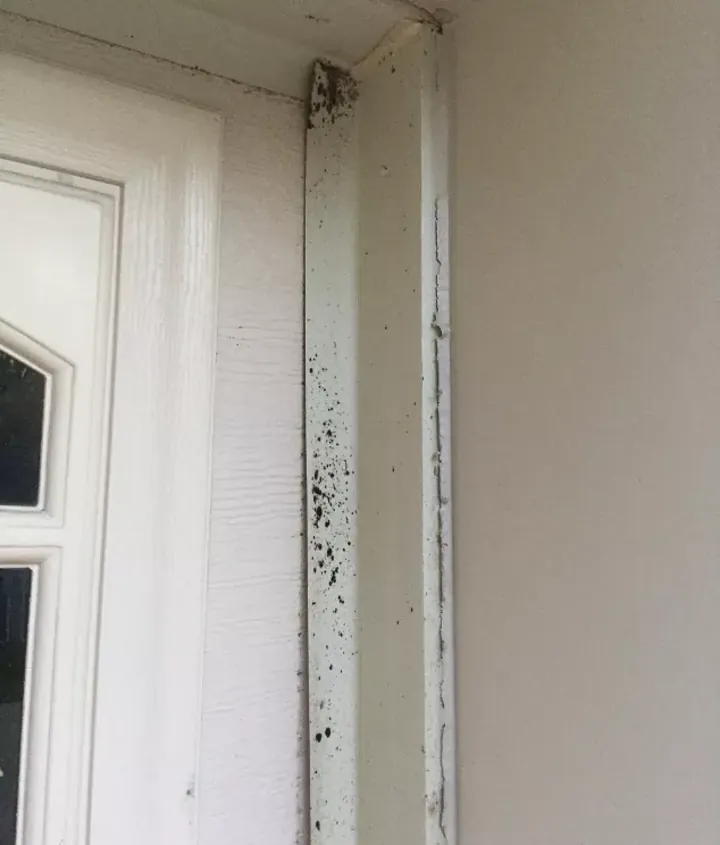
Mold in Garages in Port St. John: What Cocoa Area Property Owners Should Know
Garages in Port St. John and throughout the Cocoa area often serve many purposes beyond parking vehicles. Many homeowners use garages for storage, workshops, laundry areas, or even home gyms. Because garages are frequently opened to the outdoors and often lack the same climate control as living spaces, they are especially vulnerable to moisture problems.
In Brevard County’s humid coastal climate, garages are one of the most common places mold begins developing in a home. Many homeowners overlook garages because mold growth there may seem less urgent than problems inside living areas. However, mold in garages can spread into the home, damage stored belongings, and create persistent moisture problems.
Understanding how mold forms in garages and recognizing early warning signs helps property owners in Port St. John, Cocoa, West Cocoa, Sharpes, and nearby communities prevent small issues from becoming bigger repairs.
Why Mold Develops Easily in Garages
Mold spores exist naturally outdoors across Florida. Problems occur when spores settle on damp surfaces indoors and begin growing.
Garages are especially prone to mold growth because they commonly experience:
- High humidity from outdoor air entering regularly
- Poor ventilation compared to living spaces
- Temperature swings between hot and cool conditions
- Moisture from vehicles during rainy weather
- Storage items that trap moisture
- Occasional roof or wall leaks
- Concrete slab moisture migration
Unlike air-conditioned areas of the home, garages often remain warm and humid, allowing moisture to linger longer.
Why Port St. John Garages Face Increased Mold Risk
Homes in Port St. John and surrounding Brevard County communities experience environmental factors that encourage moisture buildup in garages.
Constant Humidity
Humidity remains high throughout most of the year. Garages that are not insulated or ventilated properly easily trap damp air.
Heavy Rain and Storm Activity
Summer storms and hurricane-season rains frequently allow moisture to enter garages through doors, walls, or roofs.
Wet Vehicles Entering the Garage
Cars often bring water into garages after rainstorms. That moisture evaporates indoors, raising humidity levels.
Slab Foundation Moisture
Garages are typically built directly on concrete slabs. Moisture from the ground can move through the slab and contribute to damp conditions.
Lack of Climate Control
Most garages are not air-conditioned, allowing moisture to remain trapped longer than inside the home.
Because these conditions are common locally, mold often begins in garages before homeowners realize there is a problem.
Common Signs Mold May Be Growing in a Garage
Mold in garages often develops quietly. Homeowners may not notice problems until damage becomes visible.
Common warning signs include:
Musty Odors in the Garage
A persistent damp smell often indicates hidden mold growth.
Mold Spots on Walls or Ceilings
Dark or discolored patches sometimes appear on drywall, concrete, or wood framing.
Mold on Stored Items
Boxes, furniture, and stored belongings sometimes show mold growth after exposure to humidity.
Peeling Paint or Wall Damage
Moisture behind surfaces can cause paint or drywall to bubble or peel.
Damp Floors or Walls
Concrete floors sometimes feel damp due to moisture migration.
Rust or Corrosion on Tools and Equipment
High humidity can also damage metal tools, signaling excess moisture.
If these signs appear, moisture conditions should be investigated.
Hidden Mold Areas Inside Garages
Many mold problems develop in areas homeowners rarely inspect.
Common hidden mold locations include:
- Behind drywall or paneling
- Inside garage ceiling cavities
- Around garage door frames
- Behind storage cabinets
- Around laundry or water heater areas
- Inside attic spaces above garages
- Around plumbing or drain penetrations
- Under stored boxes or furniture
Because these spaces are often cluttered or rarely accessed, mold growth can spread unnoticed.
How Garage Mold Can Affect the Rest of the Home
Some homeowners assume mold in the garage is isolated, but that is not always the case.
Garage mold can affect the home by:
- Allowing spores to enter living spaces when doors open
- Spreading through shared attic spaces
- Moving through air ducts in some home designs
- Increasing indoor humidity levels
- Affecting stored belongings moved inside
Homes with air handlers or ductwork located in garages may experience mold spread more easily if condensation or contamination occurs.
Why DIY Mold Cleanup Often Falls Short
When mold appears in garages, many homeowners try to clean it themselves. While small areas can sometimes be cleaned, DIY methods often fail to solve the root problem.
Common mistakes include:
- Cleaning mold without correcting moisture sources
- Painting over mold-damaged areas
- Using bleach on porous materials
- Ignoring moisture entering from outside
- Leaving wet stored items in place
Unless humidity and moisture issues are corrected, mold usually returns.
How Professional Mold Inspections Help Identify Garage Problems
When mold concerns arise, inspections help determine how moisture is entering and how extensive contamination may be.
A professional inspection typically includes:
Visual Inspection
Inspectors examine walls, ceilings, floors, and moisture-prone areas.
Moisture Detection Tools
Special equipment helps locate hidden moisture behind surfaces.
Air or Surface Testing When Needed
Sampling may help determine whether mold levels are elevated indoors.
Laboratory Analysis
In certain cases, lab testing clarifies contamination levels.
Inspection results guide appropriate corrective steps.
How Mold Remediation Works in Garages
Professional remediation focuses on both mold removal and moisture correction.
Typical remediation steps include:
- Containing affected areas to prevent spore spread
- Removing mold-damaged materials safely
- Cleaning surrounding surfaces
- Correcting moisture sources
- Thoroughly drying affected areas
In garages, remediation often includes improving ventilation or sealing areas where moisture enters.
Preventing Mold Growth in Port St. John Garages
Because garages are frequently exposed to outdoor moisture, prevention requires routine attention.
Helpful prevention practices include:
- Keeping garage doors closed during humid weather
- Repairing roof or wall leaks promptly
- Improving garage ventilation
- Using dehumidifiers if needed
- Keeping stored items elevated off floors
- Avoiding storing damp materials
- Inspecting garages after storms
- Sealing cracks or gaps allowing water intrusion
- Maintaining proper drainage around the home
Simple preventive steps greatly reduce mold risk.
Why Local Mold Experience Matters
Garages in Port St. John and surrounding Cocoa communities face moisture challenges specific to Florida’s coastal climate.
Professionals familiar with Brevard County homes understand:
- Coastal humidity effects on garages
- Storm and hurricane intrusion patterns
- Slab foundation moisture concerns
- Garage ventilation challenges common locally
- AC and condensation issues affecting attached garages
Local experience allows faster identification of moisture sources and practical long-term solutions. Cocoa Mold Removal regularly works with homeowners across Cocoa, West Cocoa, Port St. John, Sharpes, and Canaveral Groves, helping property owners address mold concerns that commonly begin in garage spaces.
What Property Owners Should Do If Mold Appears in the Garage
If you notice mold spots, musty odors, or damp conditions in your garage, early investigation usually prevents larger problems later.
A professional inspection can help determine:
- Whether mold growth is present
- Where moisture is entering
- Whether mold is spreading toward living spaces
- How extensive damage may be
- Whether remediation is necessary
Early action helps prevent moisture problems from affecting other parts of the home.
A Calm, Practical Next Step
Garages are often overlooked when it comes to home moisture management, but they frequently become the starting point for mold problems in Florida homes. Fortunately, most garage mold situations are manageable when addressed early.
If you suspect mold or moisture concerns in your Port St. John or Cocoa area garage, a professional evaluation can provide clarity and help keep your home dry and protected long-term.
Addressing moisture early almost always saves time, expense, and stress compared to waiting for problems to worsen.