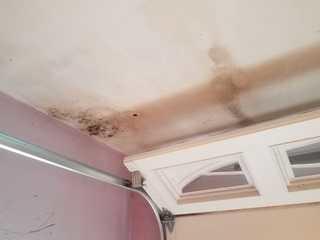
Garages are one of the most overlooked areas of homes across Brevard County when it comes to mold problems. Many homeowners in Cocoa, Cocoa Beach, West Cocoa, Port St. John, Sharpes, and Canaveral Groves rarely think about moisture conditions inside the garage unless something obvious goes wrong.
Because garages are often not air-conditioned and may have limited ventilation, they frequently become one of the dampest areas of the home. Combined with Florida’s humidity, frequent storms, and occasional plumbing or roof leaks, garages can quickly develop mold growth without homeowners noticing.
Understanding why mold forms in garages — and how to prevent it — helps Cocoa area property owners protect their homes and avoid mold spreading into living areas.
Why Mold Often Develops in Garages
Mold spores are naturally present everywhere, both indoors and outdoors. They become a problem when they land on damp surfaces and begin growing.
Garages often create ideal conditions for mold because they commonly have:
- Limited ventilation
- Higher humidity than indoor living spaces
- Unsealed or partially sealed walls
- Concrete floors that retain moisture
- Stored items that trap moisture
- Less frequent cleaning or inspection
Unlike the rest of the home, garages usually are not climate controlled. Moist air enters when doors open, and humidity becomes trapped inside.
When moisture remains on surfaces long enough, mold begins growing.
Why Brevard County Garages Are Especially Vulnerable
Homes across Brevard County face mold risks due to environmental conditions unique to Florida’s coastal climate.
High Humidity Levels
Humidity stays elevated for most of the year. Garages, without air conditioning, often stay damp even when indoor spaces feel comfortable.
Heavy Rain and Storm Activity
Storms and hurricanes common to Cocoa and surrounding communities may cause water intrusion into garages through doors, walls, or roofs.
Warm Temperatures
Warm conditions allow mold to grow faster once moisture is present.
Coastal Air Exposure
Even inland communities like West Cocoa and Port St. John experience moisture-laden air that enters garages whenever doors open.
Slab Foundation Moisture
Concrete garage slabs can absorb moisture from the ground, especially during wet seasons.
These conditions make garages a common mold starting point.
Common Signs of Mold in Garages
Because garages are used mainly for storage or parking, homeowners often miss early warning signs.
Common indicators include:
- Musty odors in the garage
- Dark staining on walls or ceilings
- Mold spots near garage doors
- Damp cardboard boxes or stored items
- Mold growing on tools or equipment
- Rusting or corrosion on stored materials
- Moisture on walls after storms
- Peeling paint or discoloration
Sometimes mold is first noticed when homeowners bring stored items into the home and detect a musty smell.
Routine inspection helps catch problems early.
Hidden Causes of Garage Mold Growth
Several moisture sources commonly lead to mold problems in garages.
Garage Door Leaks
Rainwater sometimes seeps under doors or through side seals.
Roof or Wall Leaks
Storm damage can allow water intrusion into garage ceilings or walls.
Plumbing Lines
Some garages contain water heaters, laundry equipment, or plumbing lines that may leak.
Condensation
Warm, humid air meeting cooler surfaces creates condensation.
Stored Wet Items
Wet tools, vehicles, or lawn equipment introduce moisture.
Poor Drainage
Water pooling outside garages may seep inside.
These moisture sources often remain unnoticed for long periods.
How Garage Mold Can Spread into Homes
Many homeowners assume garage mold stays confined to the garage. However, mold spores and moisture often spread into living spaces.
Common pathways include:
- Shared air between garages and homes
- Entry doors connecting garages to interiors
- HVAC ducts or air leaks near garages
- Items stored in garages later moved indoors
Once mold spores enter the home, they can settle in damp areas and begin growing elsewhere.
This is why garage mold should not be ignored.
Why DIY Mold Cleaning Often Doesn’t Work
When mold appears in garages, homeowners often attempt to clean it themselves.
Common DIY mistakes include:
- Cleaning visible mold without fixing moisture sources
- Using bleach on porous drywall
- Painting over stained areas
- Leaving damp materials in place
- Ignoring hidden wall moisture
Bleach may remove visible staining but often does not eliminate mold growing inside drywall or wood.
If moisture remains, mold usually returns.
Correcting moisture sources is essential for long-term solutions.
Professional Mold Inspection for Garages
When mold problems are widespread or persistent, professional inspection helps determine the extent of contamination.
Inspection typically includes:
Visual Evaluation
Inspectors look for visible mold and moisture damage.
Moisture Detection
Tools locate damp materials behind walls or ceilings.
Leak Source Identification
Roof, wall, or plumbing leaks are investigated.
Air or Surface Testing (When Needed)
Testing may confirm contamination levels.
Professionals familiar with Cocoa area homes understand common moisture pathways affecting garages.
Proper Mold Remediation in Garages
If contamination extends beyond minor surface mold, remediation focuses on safe removal and moisture correction.
Typical remediation steps include:
Containment Setup
Work areas are isolated to prevent mold spread.
Removal of Damaged Materials
Wet drywall or insulation may need removal.
Cleaning and Treatment
Remaining surfaces are professionally cleaned.
Moisture Source Correction
Leaks or ventilation problems are corrected.
Drying and Prevention Measures
Areas are dried thoroughly before repairs.
The goal is preventing mold from returning.
How to Prevent Mold in Brevard County Garages
Preventive maintenance greatly reduces mold risks in garages.
Helpful steps include:
- Inspect garage doors and seals regularly
- Repair leaks promptly
- Improve garage ventilation
- Avoid storing wet items indoors
- Keep stored materials off concrete floors
- Use dehumidifiers if needed
- Maintain proper drainage around the home
- Inspect after storms
- Keep garage walls dry and clean
- Check ceilings for stains or leaks
Regular checks prevent small problems from becoming larger repairs.
Why Local Mold Experience Matters
Homes across Cocoa, Cocoa Beach, West Cocoa, Port St. John, Sharpes, and Canaveral Groves vary in construction and exposure to moisture.
Local professionals understand:
- Florida humidity challenges
- Storm-related water intrusion patterns
- Slab foundation moisture behavior
- Garage construction common in Brevard County
- Ventilation challenges in local homes
Teams like Cocoa Mold Removal regularly inspect homes throughout the region and understand how local conditions influence mold growth without creating unnecessary alarm.
Local knowledge allows faster identification of moisture problems and practical prevention strategies suited to Florida homes.
A Practical Next Step for Property Owners
If your garage smells musty or shows signs of moisture damage, it may be time to investigate further. Mold problems often begin in garages before spreading elsewhere.
A professional evaluation can determine whether mold or moisture contamination exists and whether corrective steps are needed.
For Brevard County homeowners, routine garage inspections and prompt leak repairs help prevent mold problems while protecting the home’s overall indoor environment.
In Florida’s moisture-prone climate, managing garage moisture is an important step in preventing mold growth throughout the entire home.