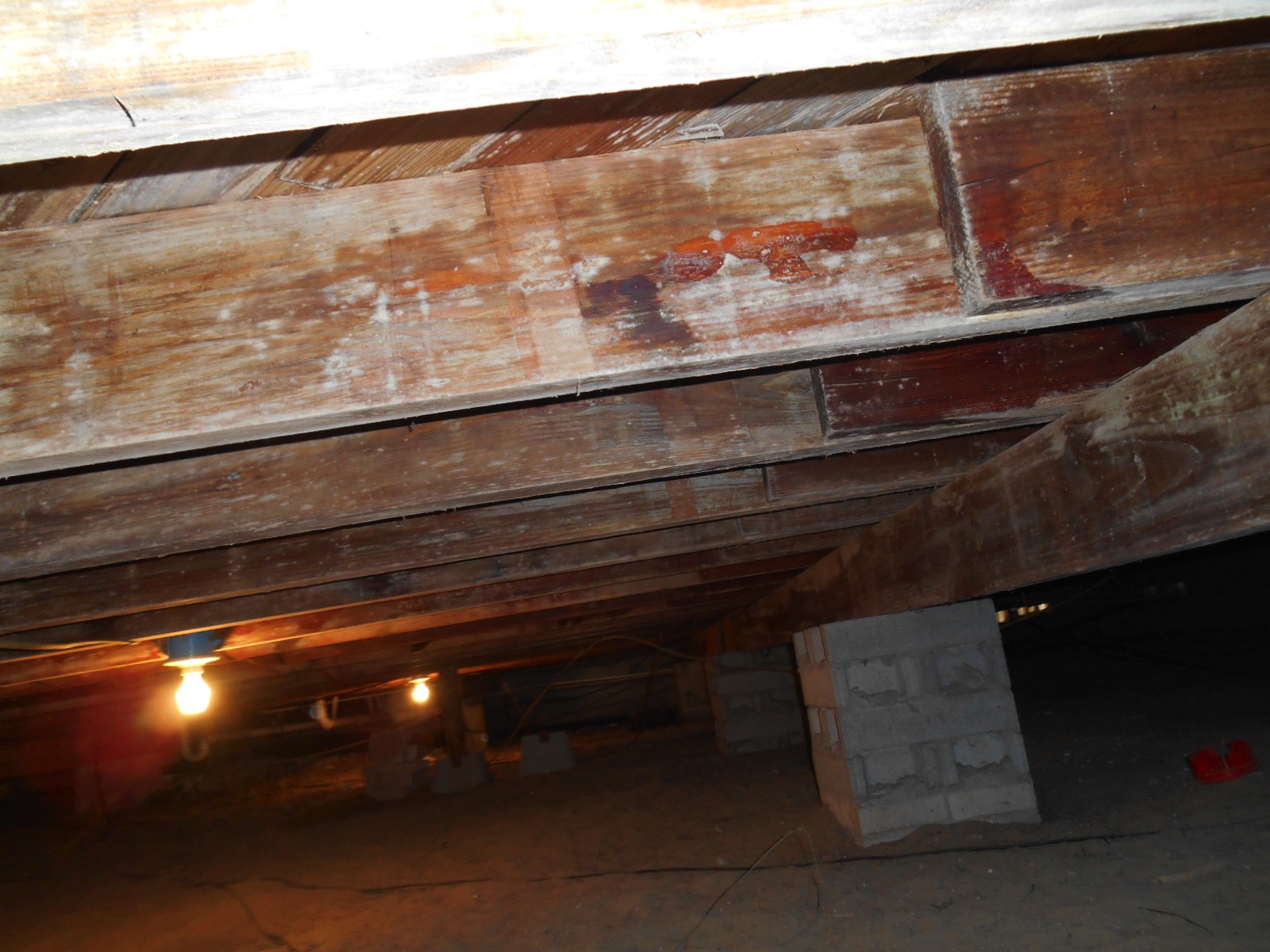
Mold in Crawl Spaces in Cocoa: What Cocoa Area Property Owners Should Know
Crawl spaces don’t get much attention from homeowners in Cocoa. They’re dark, tight, and easy to forget about. But in Brevard County’s humid, storm-prone climate, what happens beneath your home can directly affect the air you breathe and the condition of your floors above.
In areas like Cocoa, Cocoa Beach, West Cocoa, Port St. John, Sharpes, and Canaveral Groves, crawl space mold is a recurring issue. It doesn’t usually start with dramatic flooding. It starts with moisture that never fully dries.
If you own a raised-foundation home in this area, understanding crawl space mold is essential.
What Crawl Space Mold Really Is
Mold in crawl spaces typically develops on:
- Wooden floor joists
- Subflooring
- Support beams
- Insulation facing
- HVAC ductwork
- Vapor barriers
Unlike attic mold, which often forms due to heat buildup and poor ventilation, crawl space mold is almost always moisture-driven.
In Cocoa, the ground holds moisture year-round. That moisture evaporates and rises into the crawl space. If ventilation is poor or humidity is already high, wood framing absorbs that dampness.
Mold doesn’t need standing water. It just needs consistent elevated moisture levels and organic material like wood or dust.
Why This Problem Is Common in Cocoa and Coastal Areas
Florida’s climate plays a major role.
High Humidity All Year
Brevard County rarely experiences long dry periods. Even outside hurricane season, humidity levels remain elevated. When humid air enters crawl space vents, it condenses on cooler wood framing.
That repeated condensation creates ideal conditions for mold growth.
Heavy Rain and Storm Activity
Summer storms in Cocoa and tropical systems affecting Cocoa Beach and Port St. John saturate the soil. Even if your crawl space never floods, wet ground below the home increases moisture vapor.
In neighborhoods with slower drainage, like parts of Sharpes or Canaveral Groves, moisture can linger for weeks.
Older Vented Crawl Spaces
Many homes in West Cocoa and older sections of Cocoa were built with vented crawl spaces. The idea was that airflow would dry the area.
In Florida, open vents often allow humid air in, which raises moisture levels instead of reducing them.
HVAC Duct Condensation
It’s common for air conditioning ducts to run through crawl spaces. Cool air moving through metal ducts surrounded by humid air creates condensation.
That moisture can drip onto insulation and framing.
Signs Cocoa Homeowners Often Notice
Crawl space mold doesn’t always show itself immediately inside the home, but there are consistent warning signs.
Musty Indoor Odors
If your house smells earthy or damp, especially after rain, air may be rising from the crawl space.
Air naturally moves upward. Mold spores and moisture can travel from beneath the home into living spaces.
Warped or Soft Flooring
Moisture rising from below can affect subflooring. Hardwood floors may cup. Laminate may swell slightly at seams.
Higher Indoor Humidity
If your AC runs constantly but humidity still feels high, excess moisture may be coming from underneath.
Visible Growth Beneath the Home
During an inspection, dark staining or white fuzzy growth may be visible on joists or insulation.
Hidden Causes Many Property Owners Miss
Crawl space mold is often a combination of factors rather than one obvious issue.
Poor Drainage
If soil slopes toward the foundation instead of away, rainwater collects near the crawl space walls.
Damaged Vapor Barriers
Plastic sheeting on the soil helps block moisture vapor. Tears, gaps, or missing sections allow moisture to rise freely.
Plumbing Leaks
Small leaks under bathrooms or kitchens may drip unnoticed for months.
Oversized AC Units
When air conditioners cool too quickly, they don’t remove enough humidity. That moisture can accumulate in the crawl space environment.
Previous Storm Damage
Past hurricanes in Cocoa or heavy rain events in Port St. John may have introduced moisture that was never fully dried.
Why DIY Mold Cleanup Rarely Solves It
Many homeowners attempt to spray visible mold with bleach or household cleaners. In crawl spaces, this approach is usually ineffective.
Bleach does not penetrate porous wood deeply. It may lighten staining but won’t remove embedded growth if moisture remains.
More importantly, if the underlying moisture source isn’t corrected, mold will return.
Disturbing mold without containment can also spread spores into the living space above.
Crawl space conditions require moisture control first, surface cleaning second.
What a Professional Mold Inspection Includes
A thorough crawl space evaluation in Cocoa involves more than a quick look with a flashlight.
A proper inspection typically includes:
- Detailed visual examination of joists and subflooring
- Moisture meter readings in structural wood
- Evaluation of vapor barrier condition
- Inspection of foundation vents
- Drainage assessment around the home
- Examination of HVAC ducts for condensation
In some cases, air sampling may be recommended to determine if crawl space mold is affecting indoor air quality. Surface samples may confirm active growth.
A local provider such as Cocoa Mold Removal understands how Florida soil conditions, humidity, and building styles interact.
The goal is identifying why the moisture is there, not just confirming mold exists.
The Proper Crawl Space Remediation Process
When mold is confirmed, remediation should follow a structured, controlled approach.
Containment
If necessary, the crawl space is isolated to prevent spores from entering the home during cleanup.
Removal of Damaged Materials
Heavily contaminated insulation or deteriorated vapor barriers are removed safely.
Cleaning Structural Surfaces
Wood framing is cleaned using professional methods designed for porous materials.
HEPA Filtration
Air scrubbers capture airborne spores during the process.
Moisture Correction
This is the most important step. Solutions may include:
- Installing a continuous vapor barrier
- Improving exterior drainage
- Sealing crawl space vents
- Installing a crawl space dehumidifier
- Encapsulation systems in certain homes
Without addressing moisture, remediation is incomplete.
Final Evaluation
Moisture levels are rechecked to confirm stability.
Preventing Crawl Space Mold in Cocoa Homes
Prevention focuses on moisture management.
Keep Soil Sloping Away from the Foundation
Proper grading helps move rainwater away from crawl space walls.
Inspect After Major Storms
After heavy rain in Cocoa Beach or Port St. John, check for standing water around the home.
Maintain Vapor Barriers
Repair tears promptly and ensure full soil coverage.
Monitor Indoor Humidity
Keep indoor levels below 60 percent when possible.
Maintain HVAC Systems
Ensure ducts are insulated properly and not leaking cool air into humid spaces.
Consider Encapsulation When Appropriate
Sealed crawl spaces with controlled humidity are often more stable in Florida’s climate.
Why Local Cocoa Experience Makes a Difference
Crawl space mold in Brevard County is not the same as in dry regions.
Local professionals understand:
- Coastal humidity cycles
- High groundwater levels
- Hurricane-driven rain saturation
- Older raised foundation construction styles
- Differences between Cocoa, West Cocoa, and areas closer to the water
These factors influence both diagnosis and long-term solutions.
Experience with local building patterns leads to more accurate assessments and fewer repeat issues.
A Practical, Calm Next Step
If you’ve noticed musty odors, increased indoor humidity, or visible mold beneath your home, an inspection provides clarity.
Sometimes the solution is improving drainage or replacing a damaged vapor barrier. Other times, targeted remediation prevents structural damage from progressing.
Crawl space mold doesn’t usually resolve on its own in Cocoa’s humid climate. Addressing it early protects both your home and indoor environment.
Understanding what’s happening beneath your home allows you to make informed decisions before minor moisture issues turn into larger repairs.