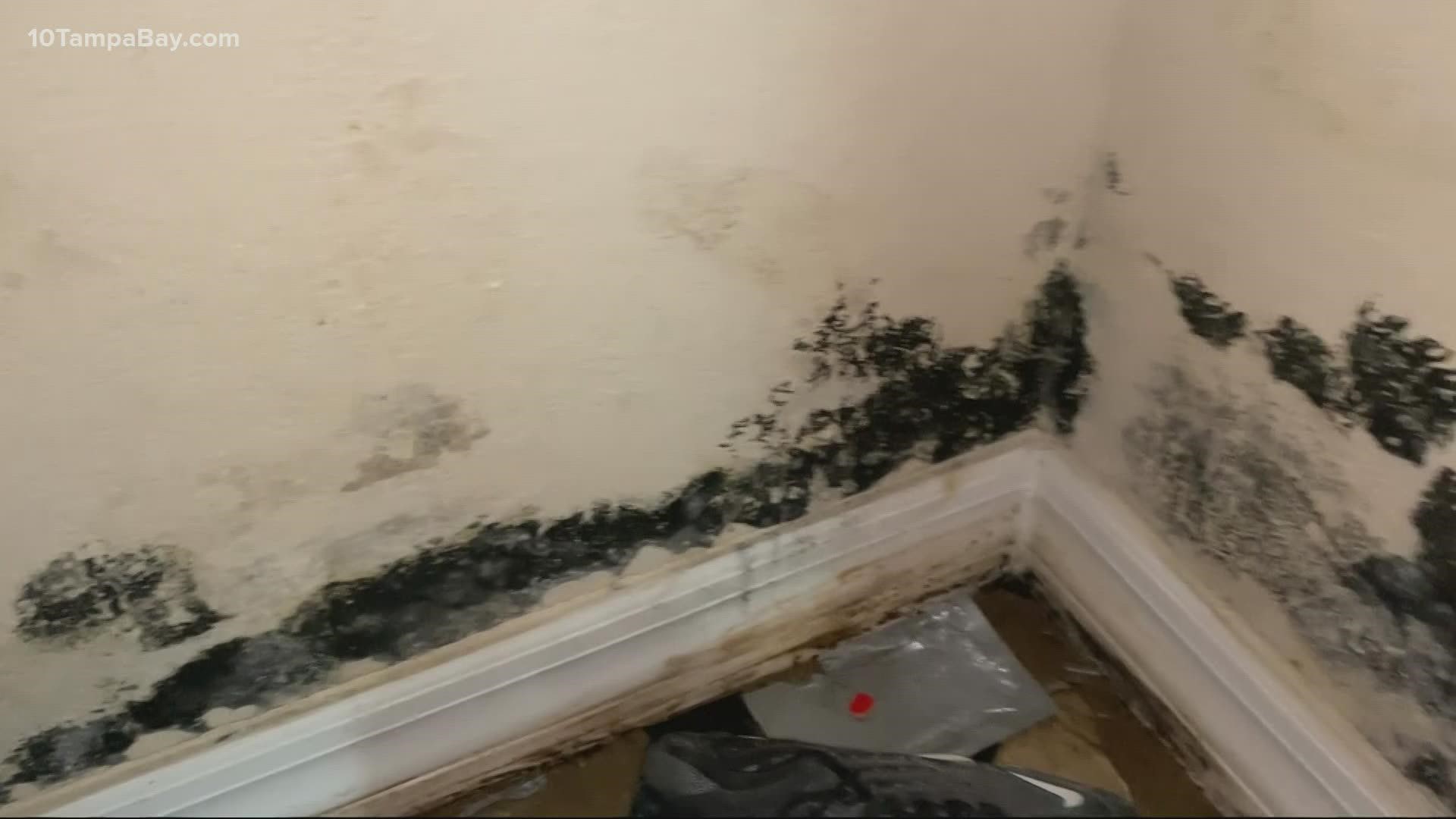
Mold in Condos in West Cocoa: What Cocoa Area Property Owners Should Know
Condominium living in West Cocoa offers convenience, shared amenities, and reduced exterior maintenance—but it also comes with unique mold risks that many property owners don’t fully understand until a problem arises. Unlike single-family homes, condos share walls, plumbing systems, roofs, and sometimes HVAC pathways. That means moisture problems and mold growth can start in one place and affect multiple units, often without clear warning.
For Cocoa area property owners, mold in condos is rarely simple. Determining where moisture originates, who is responsible for repairs, and how to stop mold from spreading can be challenging—especially in Florida’s humid climate. Understanding how mold develops in condos, where it commonly grows, and what early warning signs to watch for can help prevent costly damage and protect indoor air quality.
This guide explains why mold is common in West Cocoa condos, the most frequent sources, health and property risks, and what owners should know about prevention and responsibility.
Why Condos in West Cocoa Are Especially Prone to Mold
Condos face all the same environmental mold risks as other Florida buildings—plus added complexity from shared construction.
Key risk factors include:
- High year-round humidity
- Shared plumbing lines running through walls and ceilings
- Shared roofs and exterior walls
- Limited control over neighboring units
- HVAC systems located in small, enclosed closets
- Older condo buildings with aging infrastructure
When moisture enters a condo building, it often spreads vertically and horizontally, affecting multiple units before anyone realizes there’s a problem.
Shared Plumbing: One of the Biggest Mold Risks
Shared plumbing is one of the leading causes of condo mold in West Cocoa.
Common scenarios include:
- A slow leak in an upstairs unit damaging ceilings below
- Aging pipes inside shared walls
- Drain line backups affecting multiple units
- Leaks that occur intermittently and go unnoticed
Because plumbing is hidden inside shared structures, moisture can feed mold growth for weeks or months before visible damage appears.
Roof and Exterior Water Intrusion
Many West Cocoa condo buildings share a single roof or exterior envelope.
Common mold triggers include:
- Roof leaks affecting top-floor units
- Failed flashing around vents, skylights, or balconies
- Water intrusion through exterior walls or stucco
- Wind-driven rain entering through windows and sliders
Exterior leaks are especially dangerous because moisture can travel behind walls and spread mold far from the original entry point.
HVAC Systems and Condo Mold
HVAC systems play a major role in condo mold problems.
Individual HVAC Units
Most condos have individual systems located in closets or utility areas. Condensation from these systems can damage drywall, flooring, and framing if not properly drained.
Shared Duct Pathways
In some buildings, ductwork passes through common spaces, allowing moisture and mold spores to move between units.
Poor Dehumidification
Oversized or aging systems may cool air without removing enough humidity, keeping indoor moisture levels above safe ranges.
In Florida, cool air does not always mean dry air—and humidity is a key mold driver.
Common Places Mold Grows in Condos
Mold in condos is often hidden, especially when it involves shared structures.
Behind Shared Walls
Moisture from neighboring units or shared plumbing frequently feeds mold growth inside walls.
Ceilings
Leaks from upstairs units or roof systems often lead to ceiling mold.
Bathrooms and Kitchens
Steam, poor ventilation, and shared plumbing make these rooms common hotspots.
Under Flooring
Water intrusion, slab moisture, or plumbing leaks can cause mold beneath tile, vinyl, or laminate floors.
Around Windows and Sliding Doors
Condensation and wind-driven rain are frequent mold triggers.
HVAC Closets
Dark, enclosed spaces with condensation are ideal for mold growth.
Why Condo Mold Is Often Hard to Diagnose
Mold in condos is frequently misidentified or delayed because:
- The moisture source may not be inside your unit
- Damage spreads through shared walls and ceilings
- Odors appear far from the actual leak
- Responsibility may be split between owner and association
By the time mold is visible, it’s often been growing for a long time.
Early Warning Signs of Mold in Condos
Property owners should watch closely for:
- Persistent musty or earthy odors
- Odors that worsen when the AC runs
- Bubbling or peeling paint
- Ceiling stains or discoloration
- Warped baseboards or flooring
- Condensation on windows or vents
- Allergy or respiratory symptoms indoors
In condos, musty odors are often the earliest and most important warning sign.
Musty Smells in Condos: What They Often Indicate
A musty smell in a condo unit can mean:
- A leak in a neighboring unit
- Mold growing inside shared walls
- Moisture intrusion from the roof or exterior
- HVAC condensation problems
Because the source may be ongoing, masking odors rarely solves the problem.
Health Risks Associated With Condo Mold
Mold in condos can significantly affect indoor air quality.
Possible symptoms include:
- Sneezing or nasal congestion
- Persistent coughing
- Headaches or fatigue
- Worsening asthma or allergies
- Throat or eye irritation
A key red flag is symptoms improving when occupants leave the unit and returning indoors.
Mold Responsibility in Condo Buildings
One of the most confusing aspects of condo mold is who is responsible.
Responsibility may depend on:
- Where the moisture originated
- Whether the damage involves common elements
- Condo association governing documents
- How quickly the issue was reported
Best practices for owners include:
- Reporting moisture or mold concerns immediately
- Documenting odors, stains, and visible damage
- Communicating with the association in writing
Delays often increase both damage and disputes.
Why Surface Cleaning Rarely Fixes Condo Mold
Surface cleaning is usually ineffective in condos because:
- Mold often grows behind shared walls
- Moisture sources may still be active
- HVAC systems can redistribute spores
- Neighboring units may also be affected
Cleaning visible mold without addressing the source almost always leads to recurrence.
Mold and Insurance Challenges in Condos
Insurance claims involving condo mold can be complicated.
Common challenges include:
- Coverage divided between owner and association
- Mold coverage caps
- Disputes over cause and timing
- Denials due to delayed reporting
Early documentation and professional assessment can help protect coverage rights.
DIY Mold Cleanup Risks in Condos
DIY cleanup in condos often creates bigger problems.
Risks include:
- Spreading mold spores into shared walls
- Missing mold in common elements
- Violating association rules
- Increasing remediation costs
Condos usually require coordinated evaluation, not isolated DIY fixes.

When Professional Evaluation Is Strongly Recommended
Professional assessment is recommended when:
- Musty odors persist
- Mold keeps returning
- Water damage involves ceilings or shared walls
- HVAC systems are suspected
- Health symptoms are present
- Multiple units may be affected
Professional tools like moisture meters and thermal imaging help locate hidden problems without unnecessary demolition.
Preventing Mold in Condos in West Cocoa
Control Indoor Humidity
Maintain indoor humidity between 30% and 50%.
Use Exhaust Ventilation
Run bathroom and kitchen exhaust fans consistently.
Monitor HVAC Closets
Look for condensation, stains, or odors around AC equipment.
Inspect After Storms
Check windows, sliders, and ceilings after heavy rain.
Report Issues Immediately
Prompt reporting limits damage and liability.
Coordinate With the Association
Mold prevention works best when everyone communicates early.
Mold in Condo Rental Units
For landlords, condo mold creates added risk.
Ignoring issues can lead to:
- Tenant health complaints
- Habitability disputes
- Association violations
- Insurance complications
Routine inspections and clear documentation are essential.
Long-Term Risks of Ignoring Condo Mold
Delaying action can result in:
- Mold spreading to multiple units
- Expensive remediation
- Structural damage
- Reduced property value
- Legal disputes
Condo mold problems rarely remain isolated.
Final Thoughts for Cocoa Area Property Owners
Mold in condos in West Cocoa is common, complex, and often misunderstood. Shared walls, plumbing, and HVAC systems mean moisture problems can start outside your unit but still affect your health, comfort, and investment.
Property owners who recognize early warning signs, manage humidity, and act quickly when moisture appears can prevent small issues from becoming building-wide problems. In Florida’s climate, condo living requires proactive moisture management and clear communication.
In West Cocoa, protecting your condo from mold isn’t just about what happens inside your unit—it’s about understanding how the entire building works together and responding early when something feels off.