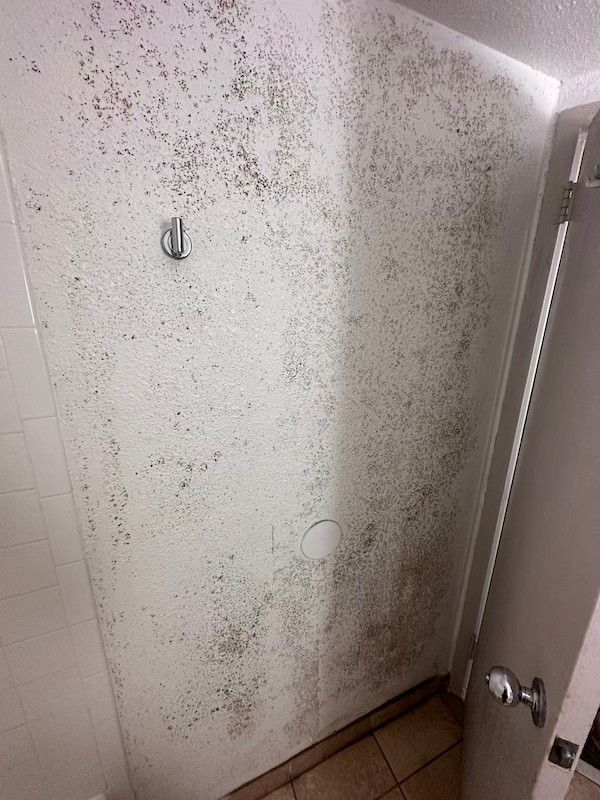
Mold in Bathrooms in Brevard County: What Cocoa Area Property Owners Should Know
Bathrooms are the number one hotspot for mold growth in homes and buildings across Brevard County—and for good reason. Between daily showers, constant moisture, poor ventilation, and Florida’s already humid climate, bathrooms create the perfect storm for mold to develop fast and spread quietly.
For Cocoa area property owners, bathroom mold is not just a cosmetic nuisance. It is often a warning sign of deeper moisture and ventilation problems that can affect indoor air quality, occupant health, and long-term property value. Left unaddressed, bathroom mold can spread behind walls, into ceilings, and even into HVAC systems.
This guide explains why mold is so common in Brevard County bathrooms, where it hides, how it impacts health and property, and what responsible property owners should do to prevent and address it properly.
Why Bathrooms Are Mold Magnets in Brevard County
Bathrooms naturally produce more moisture than any other room in a property. In Brevard County, that moisture combines with high ambient humidity, making mold growth extremely likely without proper controls.
Key local factors include:
- High year-round humidity
- Frequent hot showers producing steam
- Inadequate or non-functioning exhaust fans
- Bathrooms with no windows
- Poor airflow in older homes
- Air conditioning that struggles to control humidity
Mold spores are always present in the air. Bathrooms simply give them what they need most: moisture, warmth, and organic surfaces.
How Quickly Mold Develops in Bathrooms
One of the most common misconceptions is that bathroom mold takes a long time to form. In reality:
- Mold can begin growing within 24–48 hours of repeated moisture
- Visible mold may appear within days in poorly ventilated bathrooms
- Hidden mold can grow for months before being noticed
In Brevard County’s climate, bathrooms that stay damp even slightly longer than normal are at high risk.
Common Places Mold Grows in Bathrooms
Bathroom mold is not limited to obvious black spots in the shower. It often develops in multiple hidden and visible areas.
Shower Walls and Tile Grout
Porous grout absorbs moisture easily. Mold often grows between tiles, behind caulking, and inside grout lines.
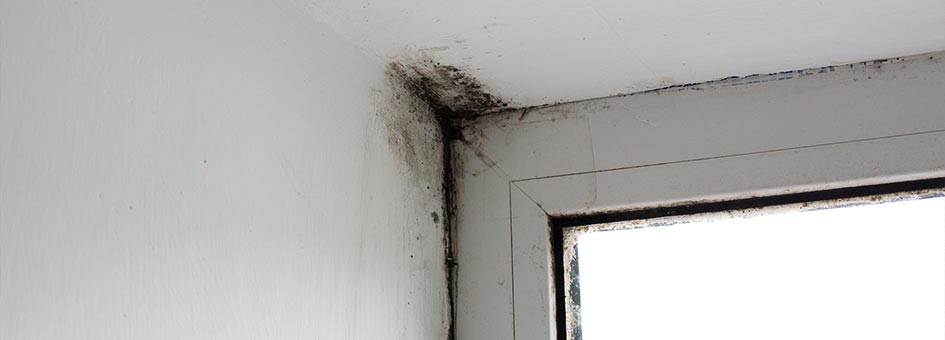
Bathroom Ceilings
Steam rises, making ceilings a prime mold location—especially when exhaust fans are weak or unused.
Under Sinks and Vanities
Small plumbing leaks or condensation can lead to mold inside cabinets and behind vanity walls.
Around Toilets and Baseboards
Condensation and small leaks can allow moisture to seep into flooring and baseboards.
Behind Drywall
In bathrooms with repeated humidity exposure, mold often grows inside walls, completely hidden from view.
Exhaust Fans and Ducts
Dirty or ineffective bathroom fans can harbor mold and spread spores instead of removing moisture.
Why Bathroom Mold Is Often Worse Than It Looks
Visible mold in a bathroom is frequently just the surface symptom of a larger issue.
Bathroom mold is often worse because:
- Moisture exposure is repeated daily
- Mold can grow behind walls and ceilings
- DIY cleaning removes stains but not mold roots
- Ventilation issues go unresolved
In many Brevard County homes, bathroom mold spreads into adjoining rooms through shared walls and ceilings.
Health Effects of Bathroom Mold
Bathroom mold contributes directly to poor indoor air quality, especially in homes where bathrooms are used frequently or shared by multiple occupants.
Common health symptoms include:
- Sneezing, congestion, and itchy eyes
- Persistent coughing or throat irritation
- Headaches and fatigue
- Worsening asthma symptoms
- Skin irritation after showering
Children, older adults, and individuals with allergies or respiratory conditions are particularly sensitive. Because bathrooms are enclosed spaces, mold concentrations can become high very quickly.
Toxic Mold and Bathrooms
While not all bathroom mold is toxic, bathrooms can support toxic mold growth when moisture problems persist for long periods—especially after leaks or flooding.
Bathrooms are vulnerable to toxic mold because:
- Water exposure is frequent
- Drywall and wood framing are nearby
- Ventilation is often inadequate
- Leaks may go unnoticed
Any mold that repeatedly returns after cleaning should be treated as a serious moisture problem, not a housekeeping issue.
Why DIY Bathroom Mold Cleaning Often Fails
Many property owners rely on bleach or store-bought cleaners to handle bathroom mold. While this may remove surface stains, it rarely solves the problem.
Common DIY failures include:
- Killing surface mold but not mold roots
- Ignoring moisture behind walls or ceilings
- Spreading spores during scrubbing
- Failing to improve ventilation
In Brevard County’s humid climate, bathroom mold almost always returns unless moisture and airflow are corrected.
Bathroom Mold vs. Whole-Home Mold Problems
Bathroom mold is often the starting point for larger mold issues.
Unchecked bathroom mold can lead to:
- Mold growth in adjacent bedrooms or hallways
- Mold spreading into ceilings and attic spaces
- HVAC contamination through shared air circulation
- Structural moisture damage
What starts as mold in a shower can become a whole-home air quality issue.
What Professional Bathroom Mold Services Address
Professional mold services focus on both the mold and the cause—not just cleaning.
Professional solutions may include:
- Moisture detection inside walls and ceilings
- Ventilation assessments
- Mold removal and material replacement
- HVAC and exhaust fan evaluation
- Long-term humidity control recommendations
This approach prevents repeated mold cycles and protects property value.
When Bathroom Mold Requires Immediate Action
Immediate professional attention is recommended when:
- Mold keeps returning after cleaning
- Mold is visible on ceilings or walls
- Musty odors persist in or near bathrooms
- Plumbing leaks have occurred
- Occupants experience health symptoms
- Mold spreads beyond the bathroom
Delaying action allows mold to spread deeper into the structure.
Cost Risks of Ignoring Bathroom Mold
Bathroom mold is one of the most expensive mold problems when ignored, because damage often spreads into structural components.
Potential costs include:
- Drywall and ceiling replacement
- Cabinet and vanity removal
- Flooring replacement
- Hidden mold remediation
- HVAC cleaning
Early intervention costs far less than full remediation.
Preventing Bathroom Mold in Brevard County Homes
Because humidity and moisture are unavoidable in Brevard County, prevention is essential.
Use Exhaust Fans Correctly
Run bathroom fans during and for at least 20–30 minutes after showers.
Upgrade Ventilation
Older or undersized fans should be replaced with properly rated exhaust systems.
Control Indoor Humidity
Keep indoor humidity between 30% and 50% using air conditioning and dehumidifiers.
Fix Leaks Immediately
Even small plumbing leaks under sinks or behind walls should be treated as urgent.
Clean Smart, Not Aggressive
Use gentle cleaners and avoid excessive scrubbing that releases spores.
Inspect Regularly
Check ceilings, grout lines, cabinets, and baseboards monthly.
Bathroom Mold in Rental and Multi-Unit Properties
For landlords and property managers, bathroom mold is a major liability issue.
Unchecked bathroom mold can lead to:
- Tenant health complaints
- Habitability disputes
- Insurance complications
- Costly remediation between tenants
Routine inspections and ventilation upgrades are critical in rental properties.
Long-Term Bathroom Mold Management
Bathroom mold control is not a one-time task—it requires consistency.
Effective long-term strategies include:
- Preventive maintenance programs
- Annual ventilation inspections
- Routine humidity monitoring
- Prompt response to leaks
- Professional evaluations when mold returns
Homes that take a proactive approach experience fewer mold problems and better indoor air quality.
Final Thoughts for Cocoa Area Property Owners
Mold in bathrooms in Brevard County is extremely common—but it should never be considered normal or harmless. Bathroom mold is a clear warning sign that moisture and ventilation are not properly controlled.
By understanding why bathroom mold develops, recognizing early warning signs, and addressing both mold and moisture promptly, Cocoa area property owners can protect occupant health, preserve property value, and avoid costly repairs.
In Florida’s climate, bathrooms demand special attention—and proactive care is the best defense against mold.