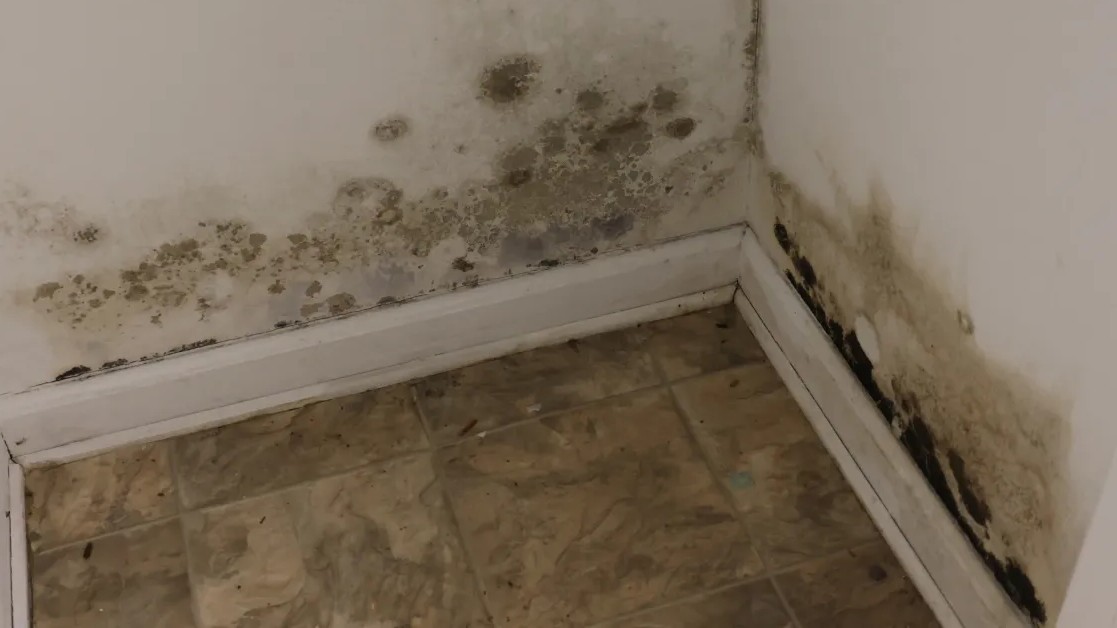
Mold in Apartments in Cocoa: What Cocoa Area Property Owners Should Know
Apartments across Cocoa and the greater Brevard County area experience mold issues more often than many property owners expect. Whether the property is a small duplex, a multi-building complex, or a large apartment community, mold problems tend to develop quietly and spread faster than in single-family homes. Shared walls, shared plumbing, and shared ventilation systems all create conditions where moisture — and mold — can move beyond one unit without being immediately noticed.
In Cocoa, mold in apartments is rarely caused by a single dramatic event. More often, it results from ongoing humidity, small plumbing leaks, AC condensation, roof or exterior wall intrusion, and delayed reporting of moisture issues. Understanding how mold behaves in apartment buildings helps property owners respond early, limit damage, and prevent repeated tenant complaints.
Why Apartments in Cocoa Are More Prone to Mold Issues
Apartment buildings are designed for efficiency, but that efficiency can work against moisture control. Units share walls, ceilings, floors, and utility systems. When moisture enters one area, it can spread into adjacent units before anyone realizes there’s a problem.
Cocoa’s climate makes this worse. High humidity, frequent rain, and long cooling seasons mean moisture is constantly present. Air conditioning systems run heavily, creating condensation. Plumbing systems are used daily by multiple occupants. Roofs and exterior walls are exposed to storms year-round.
In apartment settings, mold doesn’t respect unit boundaries. A leak or condensation issue in one unit can easily affect several others.
Common Sources of Mold in Apartment Buildings
Mold in apartments almost always starts with moisture. The challenge is that the moisture source is not always inside the affected unit.
Common apartment mold sources include:
- Plumbing leaks between floors or walls
- Slow leaks under sinks or behind toilets
- Roof leaks affecting top-floor units
- Exterior wall water intrusion
- AC condensation from air handlers or ductwork
- Shared drain lines and risers
In Cocoa apartment buildings, mold often develops behind walls or ceilings long before surface damage becomes visible.
Shared Walls, Ceilings, and Floors Create Hidden Mold Paths
One of the biggest mold risks in apartments is shared construction. Wall cavities and ceiling spaces act as pathways for moisture and mold growth.
For example:
- A plumbing leak in an upstairs unit may saturate the ceiling below
- Moisture entering an exterior wall can affect multiple side-by-side units
- Condensation in a shared duct chase can impact several apartments
Tenants may report odors or staining without any visible leaks in their own unit, making diagnosis more complex.
Mold Behind Walls in Apartment Units
Hidden mold behind drywall is extremely common in Cocoa apartments. Plumbing lines, drain pipes, and AC lines are often concealed inside walls where moisture can linger.
Signs of behind-the-wall mold include:
- Persistent musty or earthy odors
- Paint bubbling or peeling
- Discoloration near baseboards or outlets
- Soft or damaged drywall
Because drywall hides moisture well, mold may be widespread before surface signs appear.
Mold Under Flooring in Apartments
Under-floor mold is another major issue, especially in apartments with tile, laminate, or vinyl flooring. These materials trap moisture underneath and prevent evaporation.
Moisture sources include:
- Plumbing leaks beneath slabs or between floors
- Water intrusion from adjacent units
- Condensation from cool floors in humid conditions
Property owners often don’t discover under-floor mold until tenants complain of odors or flooring begins to loosen or warp.
HVAC Systems and Mold in Apartments
HVAC systems are one of the most frequent mold contributors in apartment units. Condensation forms naturally as AC systems remove humidity, but when drainage or airflow is compromised, moisture builds up.
Common HVAC-related mold areas include:
- Inside air handlers
- Drain pans and drain lines
- Ductwork and duct insulation
- Ceilings around supply vents
In Cocoa apartments, mold odors that become stronger when the AC runs are a common warning sign.
Why Mold in Apartments Is Often Discovered Late
Apartment mold problems are frequently discovered later than they should be. This happens for several reasons:
- Tenants may delay reporting moisture or odors
- Moisture sources may be in another unit
- Mold is hidden behind shared structures
- Early signs are subtle and dismissed
By the time visible mold appears, moisture may have been present for months.
Early Warning Signs Property Owners Should Not Ignore
Catching mold early can prevent widespread damage. Apartment property owners should take the following signs seriously:
- Repeated tenant complaints of musty smells
- Ceiling stains or wall discoloration
- Mold recurring after cleaning
- Condensation around vents or windows
- Soft drywall or warped flooring
Patterns matter. If similar complaints appear in multiple units, shared moisture sources should be suspected immediately.
Why DIY Mold Cleanup Is Ineffective in Apartments
Surface cleaning does not solve apartment mold problems. Most mold growth in apartment buildings is hidden inside walls, ceilings, or floors.
DIY cleanup fails because:
- The moisture source remains active
- Hidden mold is untouched
- Porous materials cannot be fully cleaned
- Spores spread into neighboring units
In apartment settings, improper cleanup can actually make the problem larger and more expensive to fix later.
The Importance of Professional Mold Inspections for Apartments
Professional mold inspections are critical for apartment properties. Inspections focus on moisture pathways and determine whether mold originates inside a unit or from shared systems.
A proper inspection may include:
- Moisture mapping of walls, ceilings, and floors
- Evaluation of plumbing risers and drain lines
- HVAC system assessment
- Attic and roof inspections (for top-floor units)
- Review of exterior wall conditions
This approach provides clarity and prevents guesswork.
Mold Remediation in Apartment Buildings
Mold remediation in apartments requires careful containment and coordination. Because units are close together, preventing cross-contamination is critical.
Proper remediation may involve:
- Containment barriers to protect adjacent units
- Removal of contaminated drywall, flooring, or insulation
- Thorough drying of affected areas
- Correction of leaks or condensation sources
- Post-remediation verification
Local providers like Cocoa Mold Removal understand the complexities of apartment buildings and focus on resolving mold without disrupting entire communities.
Moisture Control Is the Key to Long-Term Prevention
Mold will return if moisture is not controlled. For apartment properties in Cocoa, prevention strategies should focus on:
- Prompt plumbing repairs
- Routine HVAC maintenance
- Monitoring indoor humidity
- Regular inspections of roofs and exterior walls
- Encouraging early tenant reporting
Proactive maintenance costs far less than repeated mold remediation.
Vacancy Periods and Mold Risk
Vacant apartment units are at higher risk for mold. When AC systems are turned off or set too high, humidity rises quickly.
In Cocoa’s climate, even short vacancy periods without climate control can lead to moisture buildup, condensation, and mold growth — especially in closed units.
Maintaining minimal AC operation during vacancy is one of the most effective prevention steps.
Why Local Cocoa Experience Matters
Apartment mold behaves differently depending on climate and building design. Local experience matters because Cocoa apartment buildings face Florida-specific challenges like slab construction, coastal moisture, storms, and year-round AC use.
Professionals familiar with Brevard County understand where mold typically develops in apartment buildings and how moisture spreads between units. This knowledge leads to faster identification and more effective remediation.
Property owners in Cocoa, Cocoa Beach, West Cocoa, Port St. John, Sharpes, and Canaveral Groves benefit from working with professionals who regularly inspect and remediate apartment mold in this region.
A Practical Approach for Apartment Property Owners
Mold in apartments is not just a cosmetic issue — it’s a building moisture issue. Ignoring early signs or relying on surface cleaning allows problems to spread silently.
Clear procedures for moisture reporting, regular inspections, and prompt professional evaluation protect both the property and the occupants. Addressing moisture early prevents small issues from turning into multi-unit problems.
For apartment property owners seeking clear answers and long-term solutions, a knowledgeable local provider like Cocoa Mold Removal can help identify moisture sources, assess mold conditions, and guide proper remediation — keeping Cocoa apartment properties stable, compliant, and easier to manage over time.