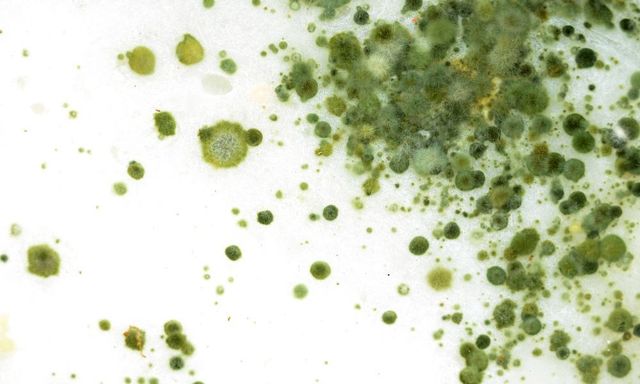
Mold in Airbnb Properties in Cocoa Beach: What Cocoa Area Property Owners Should Know
Operating an Airbnb in Cocoa Beach can be a great income stream—but short-term rentals face unique mold risks that full-time residences don’t. Coastal humidity, frequent guest turnover, and inconsistent air-conditioning habits create perfect conditions for moisture to build up quietly. When mold shows up, it often does so suddenly—right before a check-in or after a guest complaint.
For Airbnb hosts and short-term rental owners in Cocoa Beach and nearby Cocoa-area communities, understanding why mold develops, where it hides, and how to prevent it is essential for protecting bookings, reviews, and long-term property value.
Why Airbnb Properties Are Especially Vulnerable to Mold in Cocoa Beach
Cocoa Beach already has a mold-friendly climate. Airbnb use patterns add extra pressure.
Key risk factors include:
- High coastal humidity year-round
- Homes sitting vacant between stays
- Guests adjusting or turning off the AC
- Frequent door and window opening
- Wet beach gear brought indoors
- Fast turnovers focused on cleaning, not drying
These conditions create moisture swings that mold thrives on.
Vacancy Periods Are One of the Biggest Triggers
Unlike primary homes, Airbnbs often sit empty for days—or weeks.
During vacancy:
- AC may be turned off or set too high
- Humidity rises quickly
- Airflow drops
- Closets, cabinets, and bathrooms stay damp
Many mold problems in Cocoa Beach rentals start while the property is empty, not while guests are present.
Guest AC Habits Can Fuel Mold Growth
Air conditioning isn’t just about comfort in Florida—it controls moisture. In Airbnbs, AC misuse is common.
Typical issues include:
- Guests turning the AC off when leaving
- Thermostats set too warm to “save energy”
- Short cycling from oversized systems
- Condensation forming on vents and ducts
When dehumidification drops, mold conditions develop fast.
Bathrooms Take a Beating in Short-Term Rentals
Bathrooms are high-risk areas in Airbnbs due to heavy, frequent use.
Common problems:
- Long showers with exhaust fans not used
- Steam trapped after checkout
- Wet towels left on floors or beds
- Limited time to dry before the next guest
Bathrooms that don’t fully dry between stays often develop mold on ceilings, grout, and behind fixtures.
Kitchens and Under-Sink Areas Are Often Missed
Quick turnovers prioritize visible cleanliness, not moisture checks.
Hidden kitchen moisture commonly comes from:
- Slow leaks under sinks
- Dishwashers with loose connections
- Refrigerators with ice makers
- Cabinets with limited airflow
These areas can stay damp for weeks before mold is noticed.
Closets and Owner Lockouts Are Prime Mold Zones
Closets are one of the most common mold locations in Cocoa Beach Airbnbs.
Why closets are risky:
- Poor airflow
- Cooler exterior walls
- Stored linens blocking circulation
- Owner lockouts kept closed for long periods
Mold often develops behind stored items and isn’t discovered until odors spread.
Mold Odors Can Ruin Reviews Even Without Visible Growth
Guests may never see mold—but they will smell it.
Musty odors lead to:
- Negative reviews
- Refund requests
- Cancelled bookings
- Platform penalties
Once odors are present, they usually indicate hidden moisture or mold, not a surface issue that cleaning alone can fix.
Slab Foundations Increase Hidden Mold Risk
Many Cocoa Beach rentals are built on concrete slabs.
After rain or prolonged humidity:
- Moisture vapor rises through the slab
- Flooring traps moisture underneath
- Mold grows beneath tile or vinyl
- Odors and baseboard staining appear later
Surface cleaning won’t address slab-related moisture.
HVAC Systems Can Spread Mold Between Guests
If mold develops in the HVAC system, it can affect every stay.
Common HVAC mold issues include:
- Mold in drain pans or on coils
- Clogged condensate lines
- Mold in duct insulation
- Odors when the system starts
Because AC runs heavily during guest stays, HVAC mold spreads quickly throughout the property.
Why Fast Turnovers Miss Mold Conditions
Turnover cleaning focuses on speed and appearance.
It often misses:
- Indoor humidity levels
- Moisture behind walls
- Damp flooring systems
- HVAC condensation issues
- Early hidden mold growth
By the time mold becomes visible, it’s usually well established.
DIY Mold Cleaning Is Risky in Airbnbs
Spraying or wiping visible mold may seem like a quick fix—but it often backfires.
DIY risks include:
- Spreading spores without containment
- Leaving moisture behind
- Masking odors temporarily
- Allowing hidden mold to continue growing
Mold that keeps coming back wasn’t cleaned “wrong”—it was never fully addressed.
How Mold Affects Airbnb Income and Property Value
Mold problems don’t just affect health perceptions—they hit revenue.
Common impacts:
- Lost bookings and refunds
- Emergency remediation costs
- Listing downgrades or suspensions
- Reputation damage from reviews
- Reduced long-term property value
Preventive moisture control costs far less than reactive fixes mid-season.
What a Professional Evaluation Looks for in Airbnb Properties
A professional evaluation focuses on patterns, not just spots.
It may include:
- Moisture readings in walls and floors
- Indoor humidity measurements
- HVAC inspection (drainage, coils, airflow)
- Slab-level moisture assessment
- Review of vacancy and thermostat practices
In Cocoa Beach rentals, evaluations often reveal humidity management gaps, not catastrophic leaks.
Mold Testing in Airbnbs: When It Helps
Mold testing isn’t always necessary, but it can be useful when:
- Odors persist without visible mold
- Guests complain repeatedly
- HVAC involvement is suspected
- Documentation is needed for platforms or owners
Testing supports decisions—it doesn’t replace moisture control.
Practical Mold Prevention Tips for Cocoa Beach Airbnbs
Consistent prevention is the key to avoiding mold issues.
Effective strategies:
- Keep AC running year-round, even when vacant
- Maintain indoor humidity below ~55%
- Use smart thermostats with lockouts
- Ensure bathroom exhaust fans work and are used
- Inspect under sinks and appliances regularly
- Check closets and owner lockouts between stays
- Schedule periodic professional moisture checks
Small changes make a big difference.
Why Local Cocoa Beach Experience Matters
Airbnbs face different mold risks than full-time residences. Cocoa Beach adds salt air, coastal humidity, slab construction, and tourism-driven occupancy patterns.
Professionals familiar with local short-term rentals understand where mold typically starts, how fast it spreads, and how to prevent it effectively. Cocoa Mold Removal brings this local experience, helping hosts protect bookings proactively—not reactively.
A Practical Takeaway for Airbnb Owners
Mold in Airbnb properties doesn’t come from poor housekeeping—it comes from moisture and inconsistency. In Cocoa Beach’s coastal climate, rentals that sit empty, experience frequent guest turnover, or rely on improper AC settings are especially vulnerable.
The good news is mold is preventable. With consistent humidity control, regular inspections, and early evaluation when odors or moisture appear, Airbnb owners can protect their property, their reviews, and their income—season after season.
Relevant Images for This Article