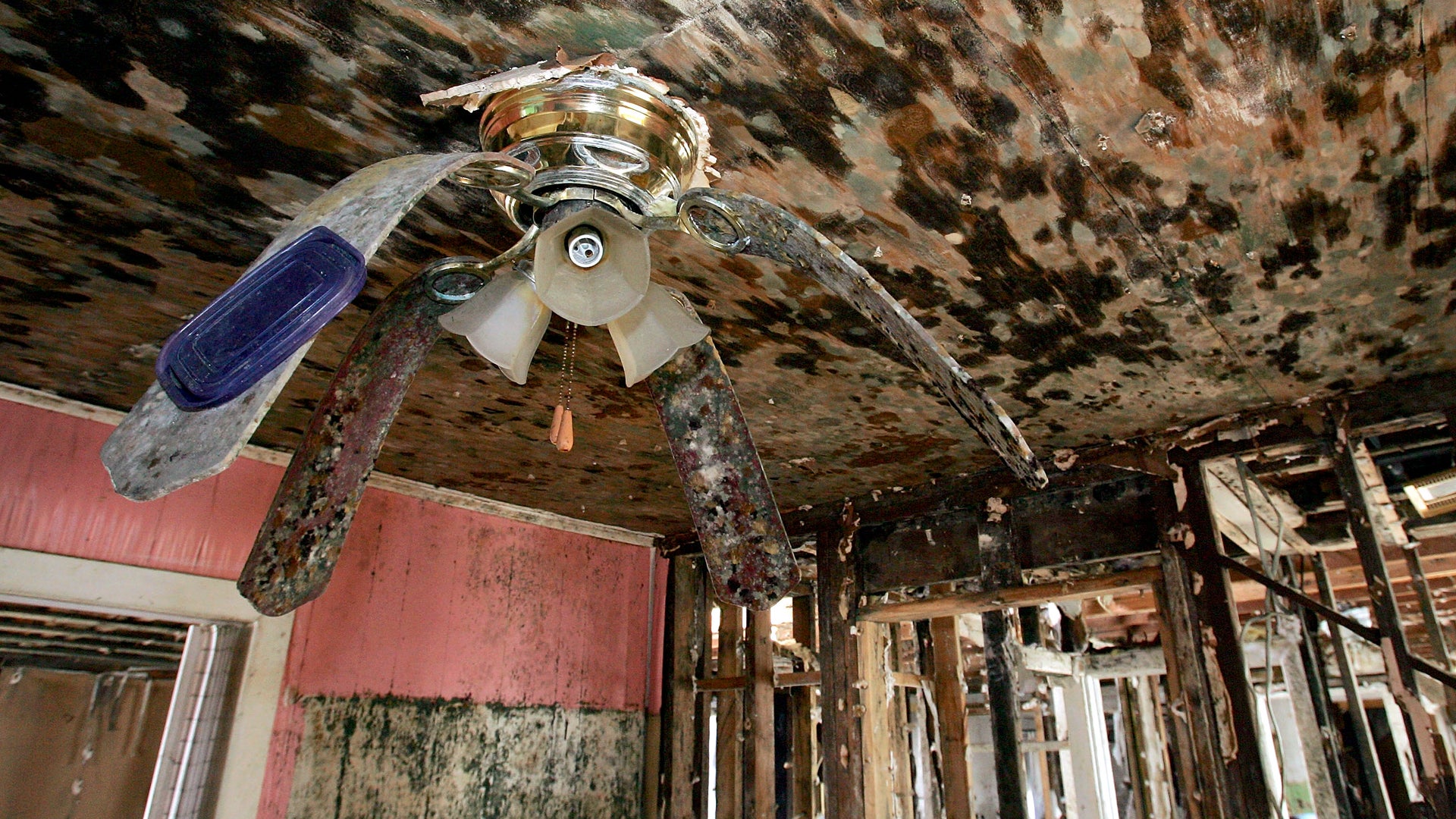
Mold From AC Condensation in Port St. John: What Cocoa Area Property Owners Should Know
Air conditioning is essential in Port St. John. Homes rely on it almost year-round to stay comfortable in Brevard County’s heat and humidity. What many property owners don’t realize is that the same system keeping the home cool can also be one of the most common sources of mold problems when condensation isn’t handled correctly.
Unlike roof or plumbing leaks, mold caused by AC condensation often develops quietly. There’s no dripping water, no obvious flooding, and no dramatic damage at first. Instead, moisture builds up slowly inside HVAC systems, ductwork, ceilings, and walls. By the time musty odors or staining appear, mold growth is often well established. Understanding how AC condensation leads to mold helps Port St. John property owners catch problems early and avoid recurring issues.
Why AC Condensation Is Normal — and Why It Becomes a Problem
Air conditioners remove humidity by design. As warm, moist air passes over cold evaporator coils, water vapor condenses into liquid. This condensation is supposed to drain safely away through a drain pan and drain line.
In Port St. John’s humid climate, AC systems remove large amounts of moisture every day. When everything is working properly, that moisture exits the home unnoticed. Problems begin when condensation doesn’t drain or dry as intended.
Even minor issues can allow moisture to accumulate, creating the damp conditions mold needs to grow. Because this moisture is part of normal AC operation, many homeowners don’t realize there’s a problem until mold has already developed.
Why Port St. John Homes Are Especially Vulnerable
Port St. John homes face a combination of conditions that make AC-related mold more likely. Outdoor humidity remains high most of the year, so air conditioning systems run frequently and produce constant condensation.
Many homes use slab foundations and have ductwork routed through attics or wall cavities. These areas experience extreme temperature differences that encourage condensation on ducts and HVAC components.
In addition, Florida homes are often built tightly for energy efficiency. While this helps with cooling, it can trap moisture indoors if airflow and drainage aren’t perfectly balanced. When moisture lingers inside HVAC systems or surrounding materials, mold growth becomes likely.
Common AC Condensation Mold Locations
Mold caused by AC condensation doesn’t usually appear where homeowners expect it. The most common locations include inside air handlers, where condensation collects around coils, drain pans, and internal insulation.
Drain pans that don’t empty completely can hold standing water. Over time, this creates a perfect environment for mold growth inside the unit. Once mold develops there, air movement can spread odors and particles throughout the home.
Another common location is ductwork. Poorly insulated ducts in hot attics can sweat, allowing moisture to drip onto ceilings or soak insulation. Mold may grow on duct insulation, nearby drywall, or framing.
Ceilings around AC vents are also frequent problem areas. Dark staining, discoloration, or peeling paint around supply registers often indicates condensation-related moisture behind the surface.
Early Warning Signs of AC Condensation Mold
AC-related mold problems often start with subtle signs that are easy to dismiss. Property owners may notice a musty or earthy odor when the air conditioner turns on. This smell may fade when the system stops, only to return again later.
Condensation forming repeatedly on vents or ceilings is another warning sign. While some condensation can occur during extreme humidity, persistent moisture usually means airflow, insulation, or humidity control issues.
Other early indicators include rooms that feel damp even though they are cool, uneven comfort levels, or a general “heavy” feeling in the air. These signs suggest the AC is not removing moisture effectively.
Mold Inside Air Handlers and Drain Systems
Air handlers are one of the most common sources of AC condensation mold in Port St. John homes. Inside the unit, moisture collects around the evaporator coil and drain pan every time the system runs.
When drain lines clog or drain pans crack, water can back up or spill into areas that aren’t designed to get wet. Internal insulation inside air handlers can absorb moisture and support mold growth without being visible from the outside.
Because the air handler is part of the air distribution system, mold growing inside it can affect the entire home. Odors and particles may be noticeable in multiple rooms even though the growth is localized.
Ductwork, Attics, and Hidden Moisture
Ductwork running through attics is another major contributor to AC condensation mold. In Port St. John, attic temperatures can be extreme. When cool air moves through ducts surrounded by hot, humid air, condensation forms on the duct surface if insulation or sealing is inadequate.
That moisture can drip onto attic insulation, ceiling drywall, or framing. Over time, mold can grow in these hidden areas without any obvious interior signs until staining or odors appear.
Because attics are rarely inspected, AC-related mold problems there often go unnoticed for long periods.
Oversized AC Systems and Mold Risk
Oversized air conditioning systems are a common but overlooked cause of mold. A system that is too large cools the home very quickly and shuts off before removing enough humidity from the air.
The home feels cool, but moisture remains high. This damp environment encourages mold growth on surfaces, inside ducts, and around vents.
In Port St. John homes, oversized systems often contribute to persistent humidity, condensation, and recurring mold issues that don’t seem to have an obvious leak source.
Why Cleaning Vents or Changing Filters Doesn’t Fix the Issue
Many property owners try to address AC-related mold by cleaning vents, changing filters, or using air fresheners. While these steps may reduce dust or mask odors briefly, they do not correct condensation problems.
Mold caused by AC condensation usually originates inside the system, ductwork, or surrounding building materials. Cleaning visible areas does not remove moisture or mold hidden deeper inside.
Without addressing drainage, insulation, airflow, and humidity control, mold is likely to return no matter how often surfaces are cleaned.
How Professionals Evaluate AC Condensation Mold
A proper evaluation focuses on moisture behavior, not just visible mold. Inspections typically include checking drain lines and drain pans, examining air handlers for internal moisture issues, and evaluating duct insulation and sealing.
Moisture detection tools help identify damp ceilings, walls, and insulation near HVAC components. Inspectors also assess airflow and system performance to determine whether humidity is being removed effectively.
In Port St. John homes, this evaluation often reveals multiple contributing factors rather than a single failure.
Proper Mold Remediation for AC Condensation Issues
Effective remediation addresses both the mold and the condensation that caused it. Simply cleaning mold without correcting moisture conditions leads to repeat problems.
Proper remediation may involve cleaning or replacing contaminated HVAC components, removing affected insulation or drywall, and thoroughly drying impacted areas. Just as important is correcting drainage issues, improving insulation, or adjusting system performance to manage humidity.
Local providers like Cocoa Mold Removal focus on identifying why condensation occurred in the first place and ensuring those conditions are corrected as part of remediation.
Preventing Mold From AC Condensation
Prevention starts with regular HVAC maintenance. Drain lines should be kept clear, drain pans inspected, and coils cleaned as needed. Systems should be properly sized and balanced for both cooling and dehumidification.
Ductwork in attics should be well insulated and sealed to prevent sweating. Attics should have adequate ventilation to reduce temperature extremes that contribute to condensation.
Consistent AC operation is also important. Turning systems off for long periods during humid weather can allow moisture to build up quickly.
Monitoring indoor humidity with a simple hygrometer helps property owners catch problems early, before mold develops.
Why Local Port St. John Experience Matters
AC condensation mold behaves differently depending on climate and construction. Local experience matters because Port St. John homes face Florida-specific challenges like year-round humidity, slab foundations, attic ductwork, and heavy AC use.
Professionals familiar with Brevard County understand how these factors interact and where condensation-related mold is most likely to occur. This knowledge leads to faster diagnosis and more effective long-term solutions.
Property owners in Port St. John, Cocoa, Cocoa Beach, West Cocoa, Sharpes, and Canaveral Groves benefit from working with professionals who regularly handle AC-related mold issues in local homes.
A Practical, Calm Approach for Property Owners
Mold from AC condensation is common in Port St. John, but it’s also highly preventable when moisture is managed correctly. Persistent odors, condensation, or humidity issues should never be ignored, even if no leaks are visible.
Focusing on moisture control rather than surface cleaning is the key to long-term success. Early evaluation prevents small HVAC moisture issues from turning into widespread mold problems.
For property owners who want clarity and lasting results, a knowledgeable local provider like Cocoa Mold Removal can help identify condensation-related mold risks, correct system issues, and restore a dry, stable indoor environment—keeping Port St. John homes comfortable and mold-resistant year-round.