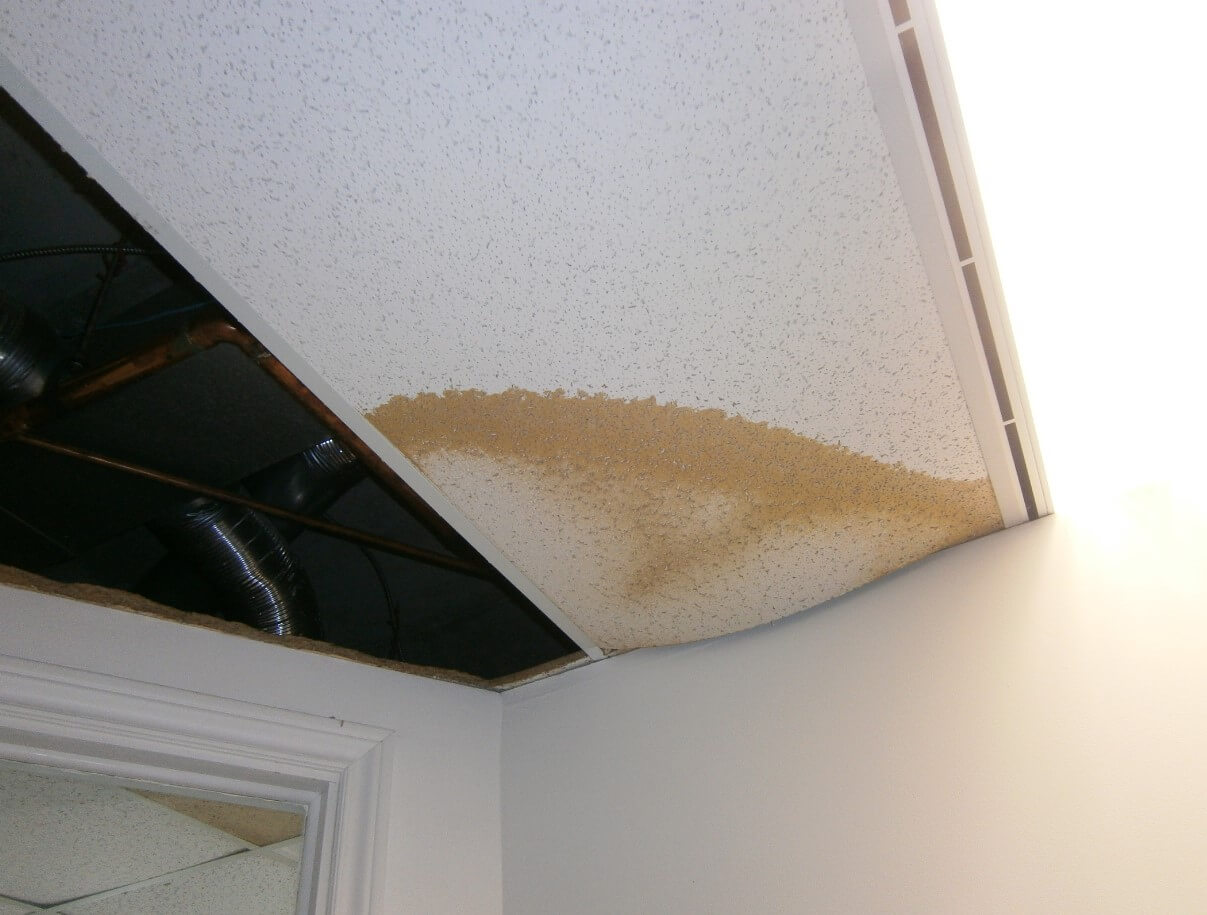
Selling a home in Brevard County can already feel stressful, and discovering a mold issue during the process often adds unexpected complications. Many home sales in Cocoa, Cocoa Beach, West Cocoa, Port St. John, Sharpes, and Canaveral Groves encounter mold concerns during inspections, sometimes catching sellers completely off guard.
In Florida’s humid climate, mold problems are not uncommon, but how they are handled during a home sale can significantly affect negotiations, timelines, and even final sale prices. Understanding how mold impacts real estate transactions helps Cocoa area property owners prepare ahead of time and avoid surprises.
Let’s walk through what homeowners should know about mold during home sales in Brevard County.
Why Mold Issues Commonly Appear During Home Sales
Many mold problems remain unnoticed until a home inspection occurs. Buyers typically hire inspectors who carefully check for moisture damage, roof leaks, plumbing concerns, and ventilation problems.
Inspectors often look for:
- Water stains on ceilings or walls
- Musty odors indoors
- Signs of past flooding or leaks
- High humidity inside the home
- Mold around vents, windows, or baseboards
- Moisture buildup in attics or crawl spaces
Because mold often grows in hidden areas, sellers sometimes don’t realize a problem exists until an inspection reveals moisture concerns.
Florida homes face constant exposure to humidity and storms, making inspections especially important during sales.
How Mold Can Affect Buyer Confidence
Even when mold growth is limited, its presence often makes buyers cautious. Purchasing a home is a major investment, and buyers want reassurance that they won’t inherit costly problems.
Common buyer concerns include:
- Hidden damage inside walls or ceilings
- Future repair expenses
- Indoor air quality concerns
- Recurring moisture problems
- Insurance complications
Sometimes the mold itself is minor, but the uncertainty surrounding it causes hesitation. Buyers may worry the issue is larger than it appears.
When confidence drops, negotiations often change.
Inspection Findings Can Change Negotiations
If mold or moisture problems appear during inspection reports, buyers frequently request adjustments before proceeding.
Common requests include:
- Professional mold remediation before closing
- Price reductions
- Seller repair credits
- Additional mold inspections or testing
- Delays while remediation occurs
Even small mold findings sometimes become negotiation points, particularly in competitive markets where buyers have options.
Addressing potential moisture issues early can help avoid these negotiation hurdles.
Disclosure Requirements and Seller Responsibilities
In many real estate transactions, sellers must disclose known property issues, including past water damage or mold problems.
If mold issues were previously corrected professionally, documentation showing remediation and repairs can help reassure buyers.
Problems arise when:
- Sellers were unaware of hidden moisture damage
- DIY cleanup masked past issues
- Mold problems were never properly corrected
Transparency often helps transactions proceed more smoothly than attempts to hide or minimize issues.
Why Mold Is Common in Brevard County Homes
Homes across Brevard County face environmental conditions that increase mold risk.
High Year-Round Humidity
Humidity often stays elevated, allowing mold to grow when ventilation is insufficient.
Frequent Rain and Storm Activity
Storms and hurricanes can introduce water through roofs, siding, or windows.
Slab Foundation Construction
Many homes are built on slabs, allowing ground moisture to move upward when soil becomes saturated.
Air Conditioning Condensation
AC systems remove humidity but can also create moisture problems if drainage systems clog.
Aging Home Components
Older roofs, plumbing systems, and window seals sometimes allow slow moisture intrusion.
These factors make moisture problems relatively common in Florida homes, even well-maintained ones.
How Sellers Can Prepare Before Listing a Home
Homeowners planning to sell can reduce surprises by addressing moisture concerns before listing.
Helpful preparation steps include:
- Inspecting roofs for leaks or damage
- Checking attics for moisture after storms
- Repairing plumbing leaks promptly
- Ensuring gutters direct water away from the home
- Monitoring indoor humidity levels
- Ventilating bathrooms and laundry areas
- Servicing air conditioning systems
- Checking around windows and doors for intrusion
Proactive maintenance helps prevent inspection surprises.
The Value of Pre-Listing Mold Inspections
Some sellers choose to schedule mold or moisture inspections before listing their homes.
A pre-listing inspection may help:
- Identify hidden moisture problems
- Correct issues before buyers discover them
- Avoid delayed closings
- Provide documentation of corrections
When problems are corrected ahead of time, transactions often proceed more smoothly.
Pre-listing inspections can sometimes save time and negotiation stress later.
Why DIY Mold Cleanup Can Cause Problems During Sales
Some sellers attempt to clean mold themselves before listing, hoping to avoid professional remediation costs. However, DIY cleanup sometimes creates complications.
Common issues include:
- Cleaning only visible mold
- Painting over stains
- Leaving hidden moisture untreated
- Allowing mold to return later
Inspectors often detect moisture problems even if visible mold is gone. When issues reappear during inspections, buyers may question property maintenance history.
Professional correction often protects seller credibility.
How Professional Mold Remediation Helps Sales Proceed
Professional remediation focuses on correcting contamination and moisture causes properly.
Remediation may include:
- Identifying moisture sources
- Containment during cleanup
- Removing contaminated materials
- Air filtration to reduce spores
- Structural drying
- Leak or ventilation repairs
Documentation showing professional remediation often reassures buyers and helps negotiations proceed.
Local companies such as Cocoa Mold Removal often assist homeowners by correcting mold problems before or during home sales.
Timing Matters in Real Estate Transactions
If mold appears during inspections late in a transaction, closings may be delayed while corrections occur.
Delays sometimes lead to:
- Buyer frustration
- Financing complications
- Renegotiated terms
- Lost buyers
Addressing concerns quickly and professionally helps prevent sales from falling apart.
Why Local Experience Matters in Brevard County Sales
Real estate conditions and mold risks vary by region. Professionals familiar with Cocoa area homes understand:
- Coastal humidity challenges
- Storm-related intrusion patterns
- Construction styles common in Brevard County
- AC condensation issues in Florida homes
- Common moisture problem locations
Local experience helps identify issues quickly and propose practical solutions.
Understanding regional moisture patterns helps sellers maintain buyer confidence.
How Buyers Often React to Mold Findings
Not every buyer walks away from a property with mold concerns. Many simply want reassurance that problems have been corrected properly.
Buyers are usually more comfortable when:
- Moisture sources are identified and fixed
- Remediation was completed professionally
- Documentation supports corrections
- Indoor conditions feel dry and clean
Clear communication and proper repair often keep transactions moving forward.
A Calm Next Step for Brevard County Home Sellers
Discovering mold concerns during a home sale can feel stressful, but most situations can be managed successfully when addressed calmly and professionally.
Many mold issues result from manageable moisture problems that can be corrected before they significantly affect value or sales timelines.
If you’re planning to sell a home in Cocoa, Cocoa Beach, West Cocoa, Port St. John, Sharpes, or Canaveral Groves, checking for moisture concerns early can help avoid surprises later.
When uncertainty arises, a professional evaluation helps clarify conditions and ensures potential mold concerns don’t derail your home sale.
By addressing moisture and mold concerns proactively, Brevard County homeowners can help keep sales moving smoothly while protecting their property investment in Florida’s humid climate.