Mold Cleanup vs Mold Remediation in Brevard County: What Cocoa Area Property Owners Should Know
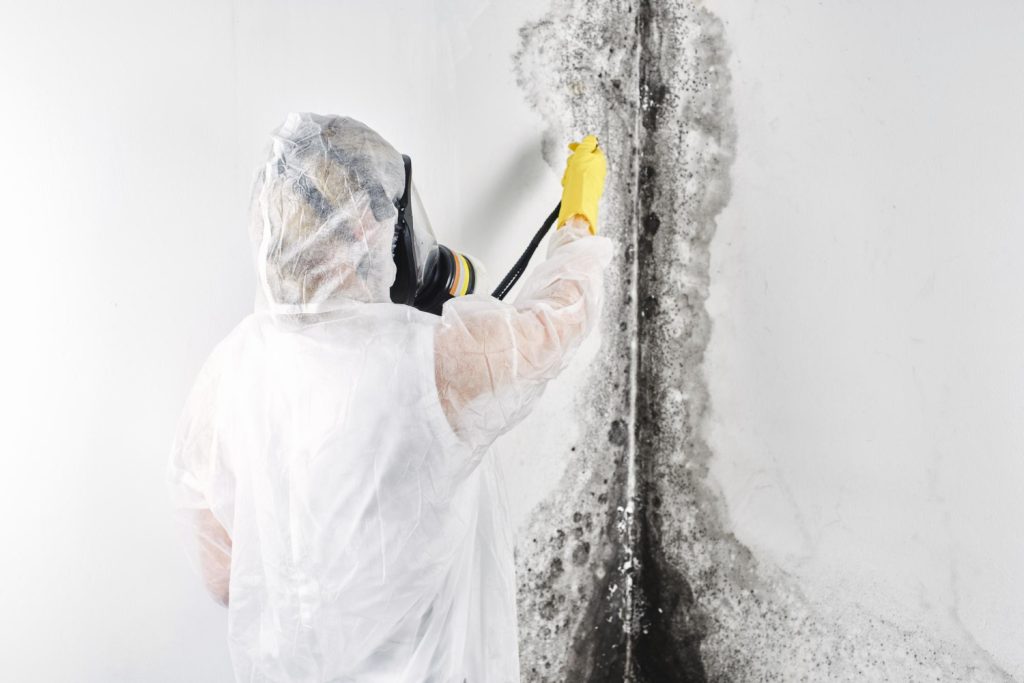
Homeowners across Brevard County often hear two terms used interchangeably when mold problems appear: mold cleanup and mold remediation. While they may sound similar, they are not the same thing. Understanding the difference helps property owners in Cocoa, Cocoa Beach, West Cocoa, Port St. John, Sharpes, and Canaveral Groves make smarter decisions when dealing with mold issues.
Many homeowners attempt cleanup themselves or hire someone to simply wipe away visible mold, only to discover the problem returns weeks later. This happens because cleanup alone often addresses the surface problem, while remediation focuses on solving the underlying cause.
Let’s clarify the difference so Cocoa area property owners know what approach their home may actually need.
Understanding Mold Problems in Brevard County Homes
Mold issues in this part of Florida are extremely common because homes constantly deal with moisture from humidity, storms, plumbing leaks, and air conditioning condensation.
Mold begins growing when:
- Moisture enters building materials
- Warm indoor temperatures exist
- Organic materials like drywall or wood are present
Once mold grows indoors, spores spread through the air and settle in other damp areas, allowing contamination to expand.
In many homes around West Cocoa and Port St. John, mold growth is discovered only after stains or odors appear, but the moisture problem may have been active for months.
That’s why understanding the difference between cleanup and remediation matters.
What Mold Cleanup Usually Means
Mold cleanup generally refers to removing visible mold from surfaces.
Typical cleanup efforts include:
- Scrubbing mold off walls or ceilings
- Cleaning surfaces with household products
- Wiping down contaminated areas
- Removing small patches of moldy material
- Repainting or sealing stained areas
Cleanup works best when mold growth is:
- Very small
- Limited to non-porous surfaces
- Caused by a temporary moisture issue
- Caught early
For example, minor mold forming on bathroom tile due to poor ventilation can often be cleaned and prevented with better airflow.
However, cleanup alone does not always address the reason mold appeared.
What Mold Remediation Actually Means
Mold remediation is a more complete process focused on removing contamination and correcting the moisture problem that allowed mold to grow.
Remediation typically involves:
- Identifying moisture sources
- Containing contaminated areas
- Removing mold-damaged materials
- Cleaning affected surfaces safely
- Drying structural materials
- Repairing leaks or ventilation problems
- Preventing mold from returning
The goal is not simply to make mold disappear visually but to stop conditions that allow it to grow.
In homes across Cocoa Beach and Canaveral Groves, remediation is often required when mold spreads behind walls or under flooring.
Why Cleanup Alone Often Fails
Many homeowners in Brevard County clean mold repeatedly only to see it return. This usually happens because cleanup addressed only surface growth.
Common reasons cleanup fails include:
Hidden Moisture Remains
Leaks behind walls or under flooring continue supplying moisture.
Mold Roots Remain in Materials
Drywall, insulation, and wood absorb moisture, allowing mold to survive below the surface.
Spores Spread During Cleaning
Scrubbing or disturbing mold releases spores into other areas.
Humidity Conditions Continue
If indoor humidity stays high, mold quickly regrows.
Cleanup can temporarily improve appearance, but without addressing moisture, mold often comes back.
Situations Where Cleanup May Be Enough
There are situations where simple cleanup works.
Cleanup may be sufficient when:
- Mold covers a very small area
- Growth is on tile or sealed surfaces
- The moisture source was temporary
- Materials are not heavily contaminated
- Humidity levels are controlled afterward
Examples include mold on shower grout or small window condensation spots.
In these cases, ventilation improvements or moisture control may prevent recurrence.
Situations Where Remediation Is Necessary
Remediation becomes important when mold spreads or moisture problems continue.
Professional remediation is often recommended when:
- Mold covers larger areas
- Growth returns after cleaning
- Musty odors persist
- Water damage occurred after storms
- Mold is suspected behind walls
- Multiple rooms are affected
- HVAC systems may be involved
- Property sales require correction
In Sharpes and surrounding communities, mold after storms or plumbing failures often requires remediation rather than simple cleanup.
How Mold Remediation Works
Professional remediation follows structured steps to prevent contamination from spreading.
Typical remediation steps include:
Containment Setup
Plastic barriers isolate affected areas to prevent spores from spreading.
Air Filtration
HEPA air scrubbers capture airborne spores during cleanup.
Safe Removal of Damaged Materials
Contaminated drywall, insulation, or flooring may need removal.
Deep Cleaning
Remaining surfaces are cleaned and sanitized properly.
Structural Drying
Moisture is removed from framing and surfaces.
Source Repairs
Leaks, drainage issues, or ventilation problems are corrected.
Prevention Guidance
Homeowners receive advice to prevent recurrence.
Experienced local professionals, including Cocoa Mold Removal, focus on eliminating moisture sources so mold does not return.
Why Mold Remediation Protects Home Value
Recurring mold problems can affect property value and complicate home sales.
Buyers frequently request mold inspections, and unresolved contamination may delay transactions or require repairs before closing.
Addressing mold correctly the first time prevents repeated expenses and protects long-term property value.
Homes in Cocoa Beach or Port St. John with corrected moisture problems tend to maintain better resale appeal.
How Homeowners Can Prevent Mold Problems
While remediation addresses existing problems, prevention reduces future risk.
Helpful prevention steps include:
- Fixing leaks immediately
- Maintaining roofs and plumbing systems
- Keeping indoor humidity below about 55%
- Servicing AC systems regularly
- Cleaning AC condensate drain lines
- Ventilating bathrooms and laundry rooms
- Checking attics after storms
- Using dehumidifiers when necessary
- Monitoring areas previously affected by moisture
Small maintenance steps prevent large mold repairs later.
Why Local Experience Matters
Local knowledge plays a major role in solving mold problems correctly.
Professionals familiar with Brevard County homes understand:
- Common moisture problems in local construction
- Storm intrusion patterns
- Coastal humidity challenges
- AC condensation issues
- Typical mold-prone areas in Florida homes
Local experience allows faster identification of moisture sources and more accurate solutions.
A Calm Next Step for Brevard County Homeowners
Discovering mold can feel stressful, but not every situation requires major remediation. Sometimes simple cleanup and moisture control are enough.
However, when mold keeps returning or spreads beyond a small area, remediation often becomes the smarter long-term solution.
If you are unsure whether your home needs cleanup or remediation, a professional inspection can provide clarity and help you choose the best next step.
For homeowners throughout Cocoa, West Cocoa, Cocoa Beach, Port St. John, Sharpes, and Canaveral Groves, understanding the difference between cleanup and remediation helps protect homes from recurring mold problems in Florida’s humid climate.
When moisture problems are corrected early, mold issues are usually manageable—and homes remain healthier and more comfortable year-round.