Mold in Attics in Brevard County: What Cocoa Area Property Owners Should Know
Let me guess—you haven’t checked your attic in a while. No judgment. Most property owners in Brevard County treat the attic like that one junk drawer everyone pretends doesn’t exist. Out of sight, out of mind, right? Sadly, mold loves that mindset.
I’ve seen it countless times around Cocoa, Cocoa Beach, West Cocoa, Port St. John, Sharpes, and Canaveral Groves. The house looks fine from the inside, but the attic tells a completely different story. Mold grows quietly, feeds on humidity, and spreads without making a scene. Sneaky? Absolutely. Preventable? Also yes.
Let’s talk about why attic mold is so common here, what signs actually matter, and what fixes work in the real world—not the DIY fantasy version.
What Attic Mold Actually Is (No Science Degree Needed)
Attic mold forms when moisture sticks around longer than it should. That’s it. No mystery, no drama.
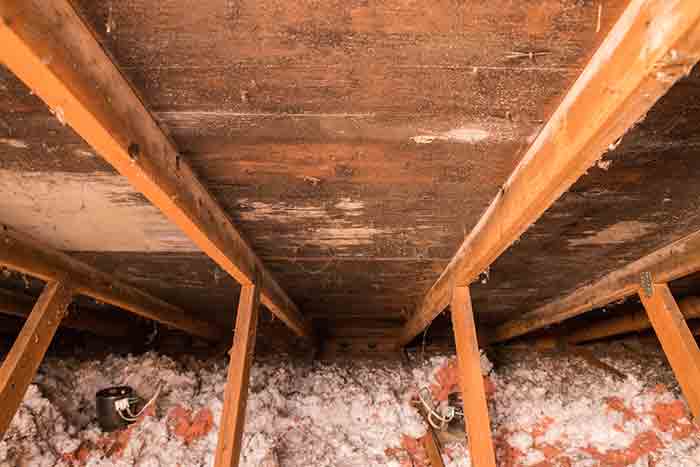
In Brevard County homes, mold commonly shows up on:
- Roof decking and plywood
- Wood trusses and rafters
- Insulation surfaces
- Areas near AC ducts or air handlers
- Bathroom exhaust fan discharge points
Mold spores already exist in every home. When moisture joins the party and airflow stays weak, mold settles in like it pays rent. Ever wondered why attics seem to attract mold so easily? Limited ventilation plus Florida humidity equals mold paradise.
Why Attic Mold Is Everywhere in Brevard County
IMO, Florida attics face an unfair fight. Mold gets all the advantages.
High Humidity All Year Long
Brevard County doesn’t really do “dry seasons.” Warm, moisture-heavy air rises into attics through tiny gaps around lights, access hatches, and framing. When that humid air hits cooler surfaces, condensation forms. Mold doesn’t waste time once condensation shows up.
Storms, Rain, and Hurricanes
You don’t need a hurricane to get attic mold, but storms definitely help. Even small roof leaks from wind-driven rain can keep wood damp long enough for mold to grow. I’ve inspected plenty of attics where the leak was fixed years ago, but the mold never got the memo.
AC Ductwork Running Through the Attic
Most Cocoa-area homes run ductwork through the attic. Cold air moving through poorly insulated ducts creates condensation. That moisture drips onto wood, insulation, or drywall. Mold follows. Simple cause, predictable result.
Poor Attic Ventilation
Blocked soffits, undersized vents, or missing ridge vents trap heat and moisture. Older homes in Sharpes and Port St. John deal with this a lot, but newer construction isn’t immune either.
Early Signs Property Owners Usually Ignore
Attic mold rarely announces itself loudly. It starts subtle.
Watch for:
- Musty odors that linger
- Higher indoor humidity with no clear cause
- Ceiling stains or discoloration
- Condensation around vents
- Mold discovered during roof or AC service
In rental properties, tenants often notice smells before owners do. FYI, by the time odors travel downstairs, mold has usually been active for a while.
Hidden Causes That Keep Mold Growing
This is where most people get surprised.
Bathroom Fans Venting Into the Attic
This one happens way too often. Bathroom fans dump warm, wet air straight into the attic instead of outside. That moisture settles on wood and insulation and spreads mold fast. I see this weekly. Not exaggerating.
Leaky Attic Access Points
Pull-down stairs and attic hatches leak conditioned air. Warm air meets cooler attic surfaces, condensation forms, mold grows. It’s boring physics with expensive consequences.
Old Moisture From Past Problems
A roof leak from years ago can still support mold growth if materials never dried properly. Mold doesn’t care that the problem “used to exist.”
Insulation Gaps
Missing or compressed insulation reduces drying time. Moisture hangs around longer, and mold takes advantage.
Why DIY Attic Mold Cleanup Rarely Works
I get the urge to handle it yourself. I really do. But attic mold doesn’t play fair.
Common DIY mistakes include:
- Spraying bleach on wood (kills surface mold, not roots)
- Painting over stains
- Scrubbing without containment
- Ignoring airflow and moisture sources
- Spreading spores throughout the attic
Without fixing why the attic stayed damp, mold almost always returns. Sometimes it comes back stronger, which feels personal but isn’t.
How Professional Attic Mold Inspections Actually Work
A real inspection isn’t just someone poking around with a flashlight.
A proper inspection includes:
- Full visual attic assessment
- Moisture readings on wood and insulation
- Ventilation and airflow evaluation
- Inspection of AC ducts and exhaust fans
- Targeted air or surface sampling when it makes sense
Testing acts as a tool, not a scare tactic. Sometimes it helps confirm conditions. Sometimes experience alone tells the story.
What Proper Attic Mold Remediation Looks Like
Good remediation focuses on removal plus prevention.
A correct process includes:
- Containment to prevent spore spread
- HEPA air filtration
- Safe cleaning or removal of affected materials
- Correction of moisture issues
- Ventilation and insulation improvements
In Brevard County homes, airflow fixes matter just as much as cleaning. Skip that step, and mold usually returns. No mystery there.
Preventing Attic Mold in Cocoa-Area Homes
Prevention works best when it stays boring and consistent.
Do this:
- Make sure bathroom fans vent outside
- Seal attic access points
- Keep attic ventilation balanced
- Insulate AC ducts properly
- Check attics after storms
- Monitor indoor humidity levels
These steps don’t guarantee perfection, but they massively reduce risk. IMO, that’s a win.
Why Local Experience Makes a Difference
Attic mold behaves differently in Florida than it does in dry climates. Coastal moisture, AC usage, and building styles all matter.
That’s where Mold and Duct Cleaning Experts bring value—understanding how Brevard County homes actually behave instead of guessing. Local knowledge saves time, money, and frustration.
Final Thought (No Pressure)
If you haven’t checked your attic lately, you’re normal. Most people don’t. But catching mold early can save you from structural damage and air quality headaches later.