Mold and Flooding in Brevard County: What Cocoa Area Property Owners Should Know
Flooding is one of the most serious and misunderstood triggers for mold growth in Brevard County, and for Cocoa area property owners, the real damage often begins after the water disappears. Whether flooding is caused by hurricanes, tropical storms, heavy rainfall, storm surge, drainage failures, or plumbing backups, Florida’s warm and humid climate creates ideal conditions for mold to take hold quickly and spread aggressively.
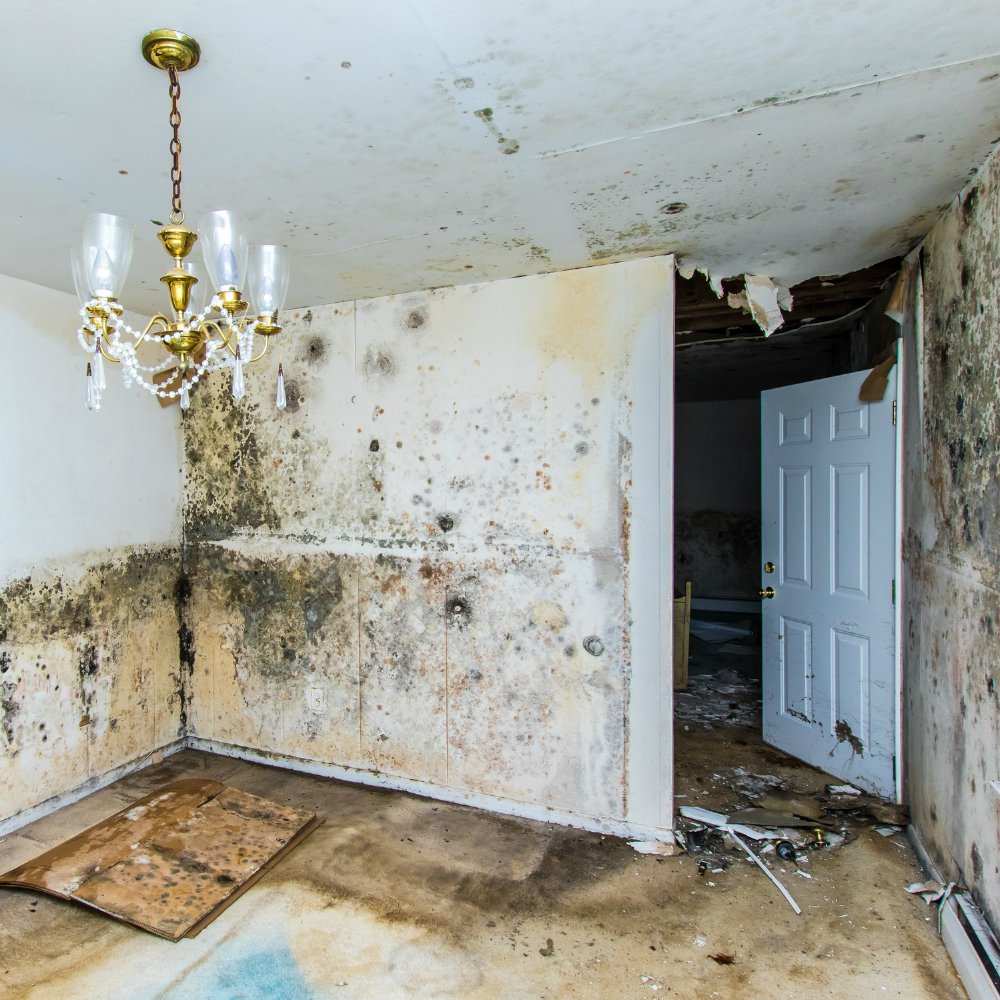
Many property owners focus on removing standing water, drying visible surfaces, and making cosmetic repairs. Unfortunately, mold does not grow on what you can see—it grows where moisture remains trapped. In Brevard County, that moisture can linger inside walls, floors, insulation, and HVAC systems long after a flood event seems “resolved.”
This guide explains how flooding leads to mold in Brevard County, where mold typically develops, why it often appears weeks later, and what Cocoa area property owners need to know to protect health, property value, and long-term livability.
Why Flooding Creates Extreme Mold Risk in Brevard County
Flooding is especially dangerous in Brevard County because it combines liquid water with a climate that already struggles to dry out.
Key local factors include:
- Warm temperatures year-round
- High baseline humidity
- Frequent storms and heavy rainfall
- Slab foundations that trap moisture
- Porous building materials common in Florida homes
- Power outages that stop air conditioning
Even shallow flooding or brief water intrusion can saturate materials deeply. Once moisture is trapped, mold growth can continue silently for weeks.
How Fast Mold Grows After Flooding
One of the biggest mistakes property owners make is underestimating how quickly mold develops.
A typical post-flood timeline looks like this:
- 0–24 hours: Water soaks drywall, wood, flooring, and insulation
- 24–48 hours: Mold spores activate and begin growing
- 3–7 days: Visible mold may appear in some areas
- Weeks later: Hidden mold spreads behind walls and under floors
By the time mold becomes visible or smells develop, the problem is often far more extensive than expected.
Floodwater vs. “Clean” Water: Why the Difference Matters Less Than You Think
Many owners assume mold risk only applies to dirty or contaminated floodwater. In reality, all flooding increases mold risk.
Common flood sources include:
- Heavy rain intrusion
- Hurricane or storm surge flooding
- Groundwater seepage
- Plumbing or appliance failures
Even rainwater becomes contaminated once it enters a home and contacts drywall, dust, insulation, and flooring. That contamination provides nutrients that accelerate mold growth.
Where Mold Commonly Develops After Flooding
After flooding in Brevard County, mold almost always develops in hidden areas first.
High-risk locations include:
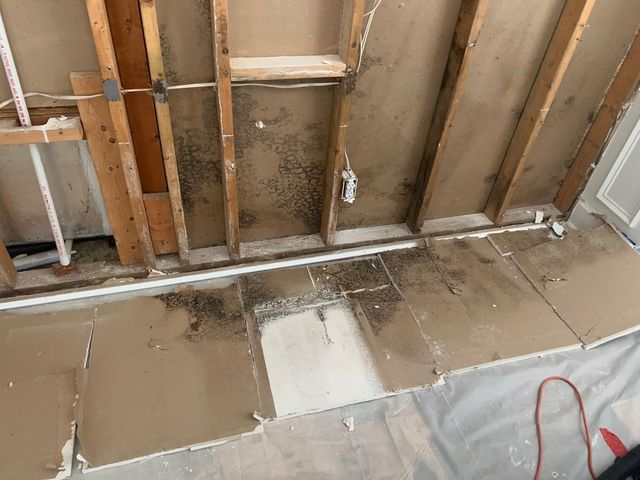
- Behind drywall and baseboards
- Inside wall cavities
- Under flooring and carpet padding
- Beneath cabinets and vanities
- Inside insulation
- Crawl spaces and garages
- HVAC air handlers and ductwork
These areas often remain damp long after surfaces feel dry.
Why Surface Drying Is Not Enough
Many property owners believe that once floors and walls feel dry, the danger has passed. This is rarely true after flooding.
Key reasons include:
- Porous materials absorb water deeply
- Moisture can remain trapped for weeks
- High humidity slows evaporation
- Mold grows inside materials, not just on surfaces
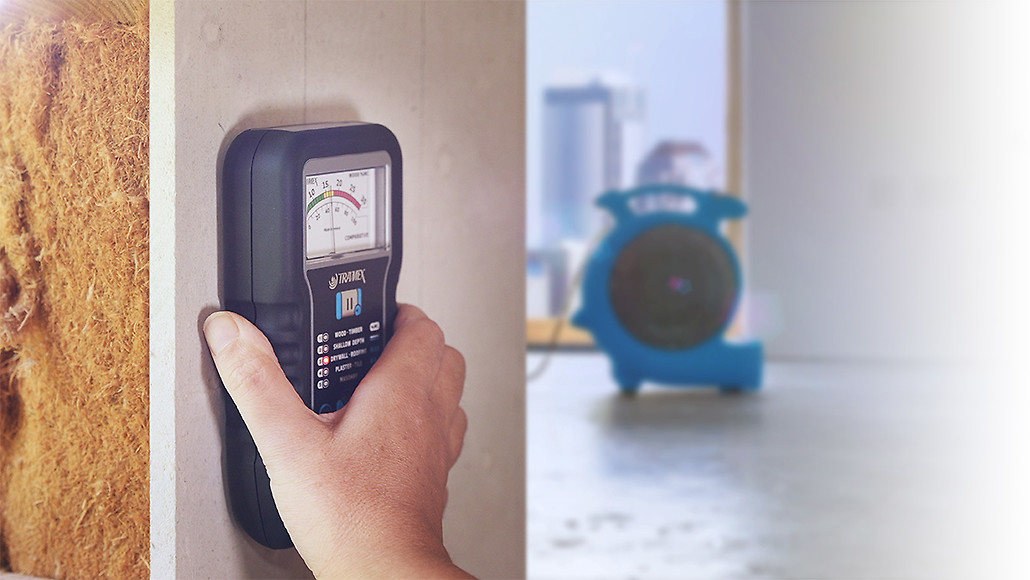
Without moisture measurement and controlled drying, mold growth often continues unseen.
HVAC Systems and Post-Flood Mold Risk
HVAC systems are especially vulnerable after flooding—even if they were not directly submerged.
Post-flood HVAC risks include:
- Moist air pulled into ductwork
- Condensation inside ducts
- Mold growth on coils and insulation
- Contaminated air handlers
Once mold develops in HVAC components, spores can be circulated throughout the entire property every time the system runs.
Health Risks of Flood-Related Mold
Flood-related mold exposure can pose serious health concerns, especially when exposure is prolonged.
Possible symptoms include:
- Sneezing and nasal congestion
- Persistent coughing
- Throat irritation
- Headaches or fatigue
- Worsening asthma or allergies
- Eye or skin irritation
Symptoms that improve when leaving the property are often a strong sign of mold-related indoor air quality problems.
Why Mold Often Appears Weeks After Flooding
In Brevard County, delayed mold discovery is extremely common.
This happens because:
- Initial cleanup focuses on visible water damage
- Hidden moisture remains trapped
- Indoor humidity stays elevated
- Mold grows out of sight
By the time odors or discoloration appear, remediation is often more extensive and expensive.
Flooding, Mold, and Insurance Complications
Insurance claims involving mold after flooding can be challenging.
Common issues include:
- Limited or excluded mold coverage
- Disputes over when mold began growing
- Requirements for prompt mitigation
- Documentation of drying and cleanup efforts
Delays or incomplete response can reduce coverage and increase out-of-pocket costs.
Rental Properties and Flood-Related Mold
Rental properties face additional risks after flooding.
Landlords may encounter:
- Habitability complaints
- Tenant health concerns
- Legal exposure
- Lost rental income
Prompt, documented mitigation is critical to reduce liability and protect income.
Why DIY and Quick Fixes Often Fail After Flooding
After flood events, many property owners attempt fast, low-cost solutions. These usually fail because they:
- Do not remove saturated materials
- Leave moisture trapped inside structures
- Ignore hidden mold growth
- Allow mold to return weeks later
Flood-related mold almost always requires more than surface cleaning.
Professional Mold Remediation After Flooding
Professional remediation provides key advantages after flood events:
- Moisture mapping and detection
- Removal of water-damaged materials
- Proper containment to prevent spread
- HEPA air filtration
- HVAC evaluation
- Documentation for insurance and resale
In flood situations, professional remediation is often the only solution that prevents long-term problems.
Post-Flood Mold Prevention Steps
Cocoa area property owners can reduce mold risk by acting quickly:
- Begin drying within 24 hours
- Maintain indoor humidity between 30% and 50%
- Remove materials that cannot be safely dried
- Ensure proper airflow and ventilation
- Inspect hidden areas, including walls and HVAC systems
- Address musty odors immediately
Early action is the most effective mold prevention strategy.
Repeated Flooding and Compounding Mold Risk
Brevard County properties often experience multiple flood events over time.
Repeated exposure:
- Compounds hidden moisture
- Weakens building materials
- Dramatically increases mold risk
Homes with prior flood damage are especially vulnerable to recurring mold problems.
Mold and Property Value After Flooding
Unresolved mold after flooding can significantly affect property value.
Potential consequences include:
- Failed inspections
- Buyer hesitation
- Insurance complications
- Price reductions or lost sales
Proper documentation of drying and remediation protects long-term value.
Long-Term Cost of Ignoring Flood-Related Mold
Delaying action often leads to:
- Larger remediation areas
- Structural damage
- HVAC contamination
- Ongoing health complaints
- Higher repair and insurance costs
Early intervention is almost always far less expensive.
Common Mistakes Property Owners Make After Flooding
- Waiting too long to dry materials
- Assuming visible dryness means safety
- Ignoring indoor humidity levels
- Skipping HVAC inspection
- Choosing cosmetic repairs over proper remediation
These mistakes allow mold to take hold and spread.


Final Thoughts for Cocoa Area Property Owners
Mold and flooding in Brevard County are tightly connected. While flooding may be unavoidable, long-term mold damage does not have to be—but only if property owners act quickly and thoroughly. Mold thrives where moisture lingers, and in Florida’s climate, that can happen silently and fast.
For Cocoa area property owners, the most important takeaway is this: flood response is mold prevention. Fast drying, humidity control, inspection of hidden areas, and proper documentation protect not just the structure, but also health, finances, and future property value.
In Brevard County, the real danger often begins after the water is gone. Acting early is the difference between a temporary setback and a lasting mold problem.