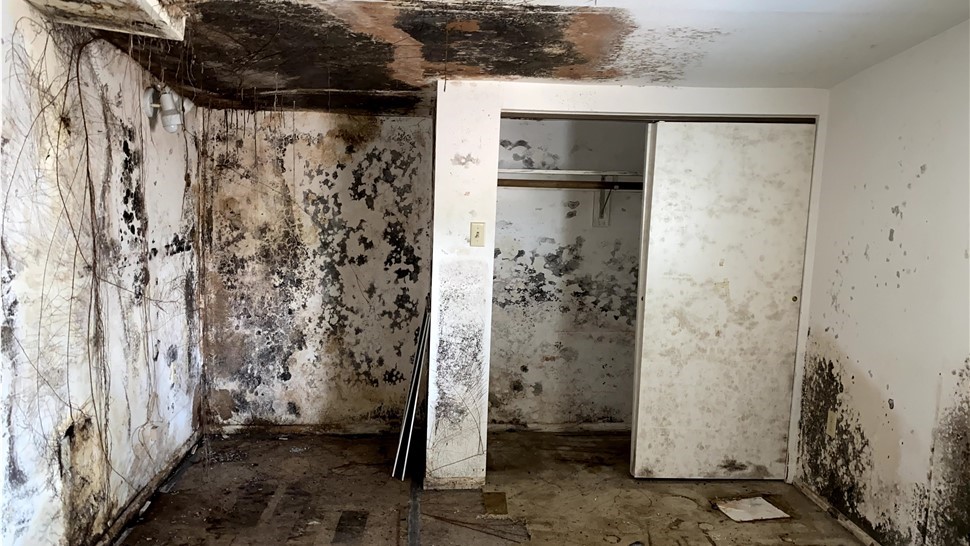
Mold and Allergies in West Cocoa: What Cocoa Area Property Owners Should Know
Property owners in West Cocoa enjoy quieter neighborhoods, larger lots, and a mix of older and newer homes that give the area its character. But like much of Brevard County, West Cocoa also faces persistent challenges with humidity, moisture, and mold. Over time, these conditions can impact indoor environments in ways many homeowners don’t immediately connect—especially when allergy-like symptoms are involved.
This article focuses on mold and allergies from a property-owner perspective, not a medical one. The goal is to help homeowners, landlords, and managers in West Cocoa and nearby Cocoa-area communities understand how mold affects indoor conditions, why it’s common locally, and what practical steps help reduce ongoing issues.
Why Mold Is a Common Issue in West Cocoa Homes
Mold growth in West Cocoa is not unusual, even in well-maintained homes. The local environment plays a major role.
Contributing factors include:
- High year-round humidity
- Heavy rain and seasonal storms
- Hurricanes and wind-driven rain
- Slab foundations that retain moisture
- Older plumbing and roofing systems
- Constant air conditioning use
- Shaded lots that slow drying
Homes in West Cocoa often sit slightly inland compared to Cocoa Beach, but moisture problems remain just as persistent—especially after extended rainy periods or plumbing leaks that go unnoticed.
How Mold Relates to Allergy-Type Concerns Indoors
From a property standpoint, mold affects indoor environments primarily through airborne spores and odors. As mold grows, it releases microscopic particles into the air that move easily through a home, particularly when HVAC systems are running.
Property owners often first notice issues through:
- Persistent musty odors
- Stale or heavy-feeling indoor air
- Dust that seems to return quickly
- Uneven air quality between rooms
These changes don’t necessarily mean a health condition exists, but they are indicators that indoor air quality has been altered, often by hidden mold growth.
Why West Cocoa Homes Are Vulnerable to Hidden Mold
Many mold issues in West Cocoa are hidden, not visible on walls or ceilings.
Common reasons include:
- Past water damage that was never fully dried
- Slow plumbing leaks inside walls
- Roof leaks that only occur during heavy rain
- Poor attic ventilation
- Condensation buildup around AC systems
Because Florida homes are built tightly to keep out heat, moisture that gets inside can remain trapped, allowing mold to grow quietly for long periods.
Common Areas Where Mold Impacts Indoor Air
In West Cocoa properties, mold affecting indoor conditions is frequently found in the following locations:
HVAC Systems
Air handlers, drain pans, and duct insulation are frequent problem areas. Once mold develops in the system, spores can circulate throughout the home every time the AC runs.
Attics
Poor ventilation combined with high humidity often leads to mold on roof decking and trusses. Odors and air movement can carry spores into living spaces below.
Behind Walls
Leaks from plumbing, windows, or roofs can soak drywall from the inside. Mold grows unseen while affecting indoor air quality.
Under Flooring
Tile, laminate, or vinyl flooring can trap moisture underneath, allowing mold to grow on subfloors without obvious surface signs.
Bathrooms and Laundry Rooms
Frequent moisture and inadequate ventilation make these common starting points for mold growth.
Signs Mold May Be Affecting Indoor Conditions
Property owners in West Cocoa often notice subtle warning signs before any visible mold appears.
Common indicators include:
- Ongoing musty or damp odors
- Odors stronger after rain or when AC runs
- Condensation on vents or windows
- Mold returning after cleaning
- Rooms that feel stuffy or uncomfortable
- Closets or storage areas with persistent smells
These signs usually point to moisture problems, which are the root cause of mold growth.
Why Mold Issues Are Often Confused With Allergies
Many homeowners associate indoor discomfort with seasonal allergies, especially in Florida where pollen is common. However, mold-related indoor conditions often mimic allergy-like environments because:
- Mold spores are airborne
- Odors linger even without visible growth
- HVAC systems distribute particles evenly
- Humidity affects how air feels indoors
From a property perspective, the key takeaway is that persistent indoor air issues usually have a physical cause, often tied to moisture and mold—not just outdoor conditions.
The Importance of Moisture Control in West Cocoa
Moisture control is the most important factor in reducing mold-related indoor problems.
In West Cocoa homes, moisture commonly comes from:
- Roof leaks after storms
- Aging plumbing connections
- AC condensation and clogged drain lines
- High indoor humidity levels
- Poor ventilation in attics and bathrooms
Without correcting moisture sources, surface cleaning or air freshening rarely solves the problem long term.
When Professional Mold Inspection Makes Sense
Professional inspection is worth considering when:
- Musty odors persist for weeks
- Mold keeps returning after cleaning
- There is a history of water damage
- Indoor air feels consistently damp
- You’re buying or selling a property
- A tenant reports ongoing indoor concerns
A proper inspection focuses on finding moisture first, then determining whether mold growth is present and contributing to indoor air conditions.
What a Mold Inspection Typically Involves
A professional mold inspection in West Cocoa may include:
- Visual evaluation of common problem areas
- Moisture readings in walls, floors, and ceilings
- Inspection of attics and HVAC systems
- Air or surface sampling when appropriate
- Identification of ventilation or humidity issues
The goal is to understand why mold is present, not just confirm that it exists.
Why DIY Mold Solutions Often Don’t Work
DIY approaches are common but often ineffective in Florida homes.
They fail because:
- Mold is hidden behind materials
- Bleach does not eliminate root growth
- Moisture sources remain active
- HVAC systems continue spreading spores
- Humidity stays too high
In West Cocoa’s climate, lasting improvement almost always requires addressing moisture, ventilation, and mold together.
Preventing Mold-Related Indoor Issues in West Cocoa
While mold can’t always be avoided, proactive steps significantly reduce risk:
- Keep indoor humidity below 55%
- Maintain AC systems and drain lines
- Use exhaust fans consistently
- Inspect attics after heavy rain
- Address leaks immediately
- Avoid storing items against exterior walls
- Schedule periodic moisture inspections
After hurricanes or extended storms, early evaluation is especially important—even if no damage is visible.
Why Local Experience Matters
Mold behavior in West Cocoa differs from coastal Cocoa Beach or newer developments elsewhere in Florida. Local professionals understand:
- Regional humidity patterns
- Common construction styles in West Cocoa homes
- Typical attic and slab foundation issues
- Seasonal weather impacts
That local knowledge leads to more accurate inspections and realistic recommendations. Many property owners rely on experienced local providers like Cocoa Mold Removal for evaluations focused on long-term prevention rather than short-term fixes.
A Practical Takeaway for Property Owners
Mold-related indoor issues in West Cocoa often develop quietly. Musty odors, persistent humidity, and recurring mold growth are signals that moisture is present somewhere it shouldn’t be.
By recognizing these signs early and addressing the underlying causes, property owners can protect their homes, preserve property value, and reduce repeat problems. When the source isn’t obvious, professional insight can provide clarity and a clear path forward.