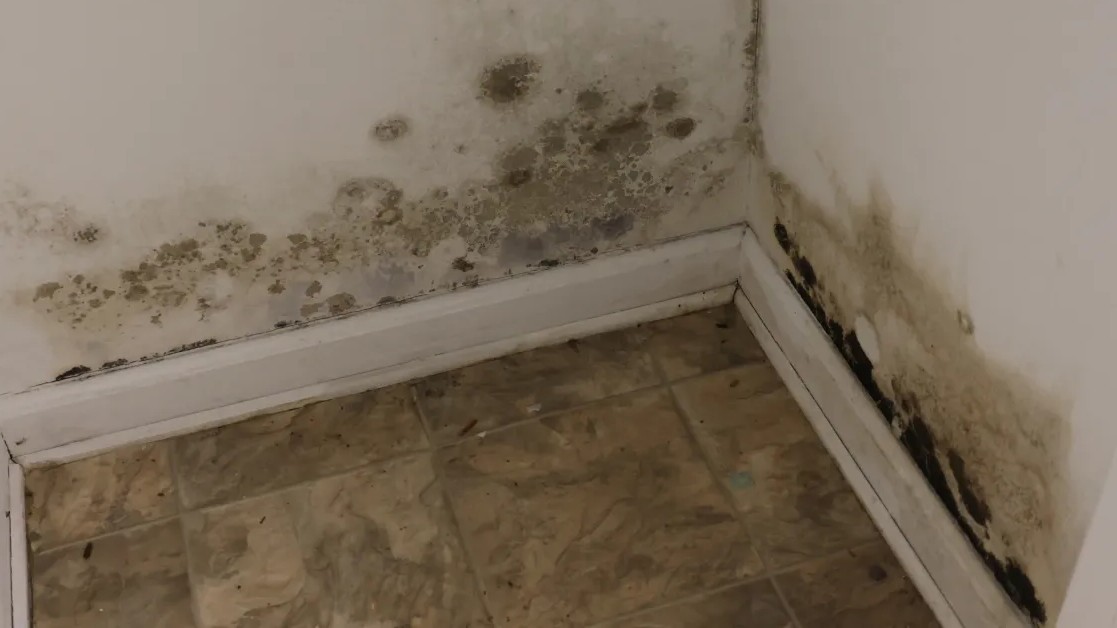
Mold and Allergies in Sharpes: What Cocoa Area Property Owners Should Know
Concerns about mold and allergies are common among property owners in Sharpes and throughout Brevard County. Many people notice allergy-like symptoms at home—such as sneezing, congestion, or irritation—and wonder whether mold might be playing a role. In Florida, this question comes up more often than in many other states because mold growth is so closely tied to the climate.
In Sharpes, mold and allergy concerns are usually connected to moisture, humidity, and indoor air quality rather than dramatic mold outbreaks. Understanding how mold behaves in local homes, how it can affect indoor conditions, and why symptoms often appear indoors helps property owners take a calm, informed approach without jumping to conclusions.
Why Mold and Allergy Concerns Are Common in Sharpes
Sharpes homes experience high humidity for much of the year. Even when there are no leaks or floods, moisture in the air can linger inside homes, especially when ventilation or airflow is limited. This environment allows mold to grow quietly on building materials and in hidden spaces.
Because mold releases microscopic spores and odor-producing compounds into the air, indoor environments with hidden mold can feel uncomfortable or irritating to some occupants. These reactions are often described as “allergy-like,” especially when symptoms seem worse at home than outdoors.
It’s important to understand that mold concerns in Sharpes are usually environmental issues tied to moisture and air movement—not cleanliness or neglect.
How Mold Can Influence Indoor Comfort and Air Quality
Mold affects indoor environments primarily through the air. As mold grows, it releases spores and byproducts that become airborne. These particles can circulate through a home, especially when air conditioning systems are running.
In Sharpes homes, HVAC systems operate frequently due to heat and humidity. This constant air movement can carry mold-related particles from hidden areas into living spaces, making the air feel stale, musty, or irritating.
This doesn’t mean mold is always visible or widespread. Even small, hidden growth behind walls, under flooring, or inside HVAC components can influence indoor air quality enough to cause noticeable discomfort for some occupants.
Why Symptoms Often Seem Worse Indoors
A common pattern property owners notice is that irritation or allergy-like symptoms improve outside the home and worsen indoors. This often leads people to suspect mold.
In Florida homes, indoor environments can trap moisture and contaminants more easily than outdoor air, which is constantly moving and diluted. When mold is present indoors, even at low levels, it can contribute to discomfort in enclosed spaces.
Humidity itself can also worsen indoor comfort. High humidity makes air feel heavy and can amplify odors and irritants, whether mold is present or not. This is why mold and humidity are often discussed together.
Common Household Areas Linked to Mold and Air Issues
In Sharpes homes, mold that affects indoor air quality is often hidden. Common locations include:
- Behind drywall near plumbing lines
- Under flooring after leaks or spills
- Inside HVAC air handlers or ductwork
- Under sinks and inside cabinets
- In attics with ventilation problems
- Behind furniture on exterior walls
Because these areas are rarely seen, property owners may notice changes in air quality or comfort long before visible mold appears.
Mold, Humidity, and Allergy-Like Reactions
Humidity plays a major role in how mold affects indoor conditions. When indoor humidity stays elevated, mold has the moisture it needs to grow, and airborne particles tend to remain suspended longer.
In Sharpes, humidity often rises during rainy seasons, storms, or periods when air conditioning is not running consistently. Homes left closed up or vacant are especially vulnerable.
Even without visible mold, high humidity can make indoor air feel uncomfortable. When mold is present as well, these effects can be more noticeable.
Why Mold Is Often Blamed—And Sometimes Missed
Mold is sometimes blamed for indoor discomfort when the real issue is poor humidity control or ventilation. Other times, mold is present but hidden, so the connection isn’t obvious.
This is why surface cleaning alone rarely resolves allergy-related concerns. Cleaning visible mold does not address hidden growth or moisture conditions that affect the air.
Understanding whether discomfort is tied to humidity, mold, or both requires looking at the building conditions—not just visible surfaces.
Mold in HVAC Systems and Air Circulation
HVAC systems are a common factor in mold and air quality concerns. In Sharpes homes, condensation forms naturally inside air handlers, drain pans, and ductwork.
When drainage is restricted, insulation is damaged, or airflow is unbalanced, moisture can build up and support mold growth inside the system. Once mold is present in HVAC components, air circulation can distribute mold-related particles throughout the home.
Signs that HVAC systems may be involved include musty odors when the AC runs, dark staining around vents, or recurring dust and residue near registers.
Why DIY Cleaning Rarely Resolves Mold-Related Discomfort
Many property owners attempt to address mold concerns by cleaning visible areas or using air fresheners and purifiers. While these steps may temporarily reduce odors, they rarely resolve the underlying issue.
DIY cleaning does not reach mold growing inside walls, under floors, or inside HVAC systems. Air fresheners mask odors without removing mold or moisture. Some cleaning methods can even increase moisture, encouraging further growth.
When discomfort or odors persist, it’s a sign that moisture and hidden mold may still be present.
How Mold and Air Quality Are Properly Evaluated
A proper evaluation focuses on moisture first. Professional inspections look for plumbing leaks, condensation issues, ventilation problems, and signs of water intrusion.
Moisture detection tools help locate damp materials behind walls, under flooring, or above ceilings—areas where mold commonly grows unnoticed.
In some cases, air or surface sampling may be used to better understand indoor conditions, especially when visible mold is minimal but concerns persist. Testing is always interpreted alongside inspection findings.
The goal is not to label mold, but to understand whether indoor conditions are contributing to discomfort.
Addressing Mold to Improve Indoor Conditions
When mold is confirmed, improving indoor conditions requires addressing both the mold and the moisture supporting it. Removing mold without correcting humidity or leaks often leads to recurrence.
Proper remediation may include containment, removal of affected materials, thorough drying, and correcting moisture sources such as leaks or HVAC condensation.
Once moisture is controlled and mold growth is addressed, indoor air quality often improves naturally. Odors fade, humidity stabilizes, and the home feels more comfortable overall.
Local providers like Cocoa Mold Removal take a prevention-focused approach when addressing mold concerns in Sharpes and surrounding Brevard County communities.
Preventing Mold-Related Comfort Issues in Sharpes Homes
Prevention focuses on managing moisture and airflow. Helpful steps include:
- Maintaining HVAC systems and drain lines
- Running exhaust fans in bathrooms and kitchens
- Repairing leaks promptly, even small ones
- Keeping indoor humidity under control
- Inspecting hidden areas periodically
- Maintaining climate control during vacancy
These steps reduce the likelihood of mold growth and help keep indoor air more stable.
Why Local Sharpes Experience Matters
Mold and indoor air concerns are heavily influenced by climate and construction. Local experience matters because Sharpes homes face Florida-specific challenges like slab foundations, attic ductwork, heavy humidity, and frequent storms.
Professionals familiar with Brevard County understand how mold affects indoor environments in local homes. This knowledge leads to more accurate evaluations and more effective solutions.
Property owners in Sharpes, Cocoa, Cocoa Beach, West Cocoa, Port St. John, and Canaveral Groves benefit from working with professionals who regularly address mold-related air quality concerns in this region.
A Calm, Informed Approach for Property Owners
Mold and allergy concerns in Sharpes homes are often rooted in moisture and indoor air quality rather than obvious mold outbreaks. Persistent discomfort, odors, or changes in indoor air should not be ignored—but they also don’t require panic.
Understanding how mold grows, where it hides, and how it affects indoor environments allows property owners to respond thoughtfully. Addressing moisture early and seeking professional evaluation when concerns persist helps prevent small issues from becoming larger problems.
For property owners looking for clarity, a knowledgeable local provider like Cocoa Mold Removal can help evaluate mold-related concerns, identify moisture conditions, and guide practical next steps—supporting healthier, more comfortable indoor environments in Sharpes homes.