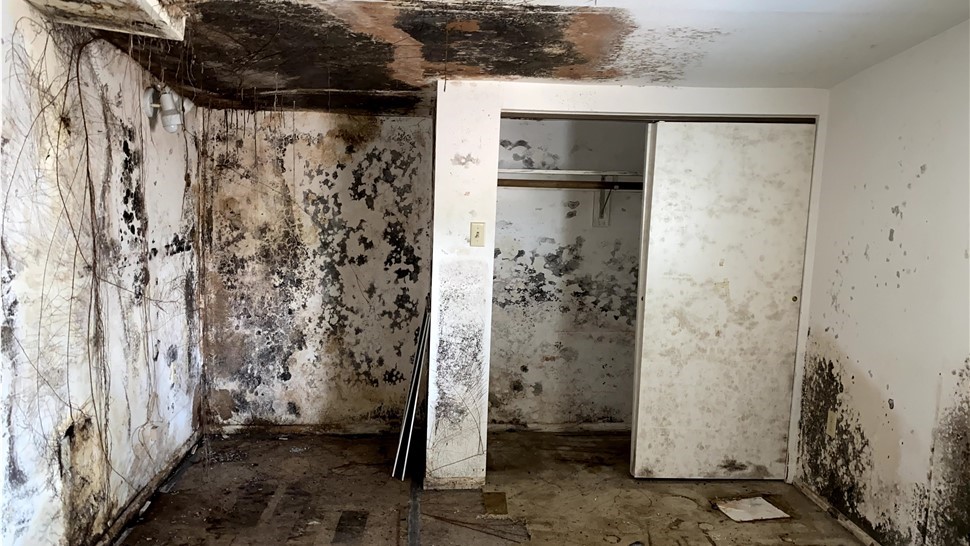
Mold After Standing Water in Cocoa: What Cocoa Area Property Owners Should Know
Standing water inside a home or building is never “no big deal” in Cocoa. Whether it comes from heavy rain, a plumbing leak, an AC overflow, or minor flooding, standing water creates the perfect conditions for mold growth—and it happens faster than most property owners realize.
In Cocoa’s hot, humid climate, mold doesn’t need weeks to show up. In many cases, it starts growing within 24 to 48 hours after water settles in carpets, drywall, flooring, or wall cavities. By the time the surface looks dry, mold may already be spreading behind the scenes.
This guide explains why standing water leads to mold, where mold hides, what signs Cocoa property owners should watch for, and what steps actually help prevent serious mold problems after water exposure.
Why Standing Water Is a Serious Mold Risk in Cocoa
Cocoa sits in a high-humidity, coastal-influenced environment where moisture problems are already common. Add standing water to the mix, and mold growth accelerates.
Here’s why standing water is especially dangerous in Cocoa homes:
- Warm temperatures speed up mold reproduction
- High indoor humidity prevents materials from fully drying
- Porous building materials absorb water quickly
- Hidden spaces trap moisture long after visible water is gone
Even a small amount of standing water—such as a soaked corner of carpet or pooled water under cabinets—can trigger mold growth that spreads well beyond the original wet area.
Common Causes of Standing Water in Cocoa Properties
Standing water doesn’t only come from major storms. In Cocoa, some of the most common causes include:
- Heavy rain overwhelming drainage around the home
- Slab leaks beneath flooring
- AC drain line clogs or pan overflows
- Water heater or washing machine failures
- Roof leaks dripping into attics and walls
- Minor flooding from nearby canals or low-lying areas
Many of these issues create slow, unnoticed water accumulation, allowing mold to develop quietly.
How Quickly Mold Grows After Standing Water
One of the biggest misconceptions among property owners is assuming mold takes weeks to appear. In reality:
- 24–48 hours: Mold spores activate and begin growing
- 3–5 days: Colonies expand into drywall, insulation, and flooring
- 1–2 weeks: Mold becomes well-established and harder to remove
Drying only the visible surface is not enough. Moisture trapped under floors, inside walls, or beneath cabinets can continue feeding mold long after cleanup appears complete.
Where Mold Hides After Standing Water
Mold after standing water is often not visible at first. In Cocoa properties, it commonly hides in:
- Drywall and baseboards
- Carpet padding and subfloors
- Under tile or laminate flooring
- Inside wall cavities
- Beneath kitchen and bathroom cabinets
- Inside closets and storage areas
- Attics affected by roof leaks
Because these areas are out of sight, mold can spread extensively before it’s discovered.
Warning Signs of Mold After Standing Water
Even if you don’t see mold right away, there are warning signs Cocoa property owners should never ignore:
- Persistent musty or earthy odors
- New or worsening allergy symptoms indoors
- Headaches, coughing, or sinus irritation
- Discoloration on walls, ceilings, or baseboards
- Bubbling paint or warped flooring
- Increased humidity that doesn’t go away
If any of these appear after standing water, mold is a strong possibility.
Why DIY Drying Often Isn’t Enough
Many property owners try to handle water issues with fans, shop vacs, or household dehumidifiers. While these steps help on the surface, they often miss the real problem.
DIY drying usually fails because:
- Household equipment can’t reach moisture trapped inside walls
- Subflooring stays wet beneath flooring materials
- Insulation holds water even when surfaces feel dry
- Mold growth may already be underway
Without proper moisture detection, hidden mold continues growing—even if the room looks clean.
Health Risks of Mold After Water Damage
Mold exposure affects people differently, but common health concerns include:
- Allergic reactions
- Asthma flare-ups
- Chronic sinus issues
- Skin and eye irritation
- Fatigue and headaches
Children, seniors, and individuals with respiratory conditions are especially vulnerable. Long-term exposure to hidden mold can turn a minor water incident into a serious health issue.
What to Do Immediately After Standing Water
If standing water has affected your Cocoa property, timing matters. The sooner action is taken, the better your chances of preventing mold.
Immediate steps to take:
- Stop the water source if possible
- Remove standing water quickly
- Increase air circulation with fans and ventilation
- Lower indoor humidity with dehumidification
- Avoid covering wet materials or closing off affected rooms
However, if water sat for more than a day or soaked into building materials, professional inspection is often necessary.
When Professional Mold Inspection Becomes Important
Professional mold inspection is especially important when:
- Water remained for 24 hours or longer
- The source of water is unknown or ongoing
- Odors persist after drying
- Health symptoms appear indoors
- The affected area includes walls, floors, or insulation
Inspections identify hidden moisture, determine whether mold is present, and prevent unnecessary demolition or guesswork.
Preventing Future Mold Problems in Cocoa Homes
Cocoa property owners can reduce future mold risks by focusing on moisture control:
- Keep gutters and drainage systems clear
- Maintain AC systems and drain lines
- Fix plumbing leaks promptly
- Use dehumidifiers during humid months
- Ensure proper ventilation in bathrooms and kitchens
- Monitor humidity levels inside the home
Regular moisture awareness is one of the most effective defenses against mold in Cocoa’s climate.
Why Early Action Saves Money and Stress
Ignoring mold after standing water often leads to:
- Larger remediation areas
- Structural material replacement
- Higher repair costs
- Potential insurance complications
- Long-term health concerns
Early detection and proper drying are far less disruptive—and far less expensive—than dealing with widespread mold later.
Final Thoughts for Cocoa Area Property Owners
Standing water in a Cocoa property is more than just an inconvenience—it’s a serious mold risk. Even small water incidents can lead to hidden mold growth if not addressed properly and promptly.
Understanding how quickly mold forms, where it hides, and why surface drying isn’t enough helps property owners make informed decisions. When in doubt, professional assessment provides clarity, protects indoor air quality, and prevents minor water problems from turning into major mold damage.
In Cocoa’s humid environment, fast, informed action is the key to keeping mold under control.