Mold After Plumbing Leaks in Brevard County: What Cocoa Area Property Owners Should Know
Plumbing leaks are one of the most common causes of mold problems in Brevard County homes—and also one of the easiest to underestimate. A slow drip under a sink, a pinhole leak in a pipe, or a minor bathroom supply line failure may seem manageable at first. But in Florida’s humid climate, even small plumbing leaks can create the perfect conditions for mold growth if moisture isn’t fully dried.
For homeowners, landlords, and property managers across Cocoa, Cocoa Beach, West Cocoa, Port St. John, Sharpes, and Canaveral Groves, mold after plumbing leaks is rarely about poor maintenance. It’s usually about hidden moisture that went unnoticed or didn’t dry completely. Understanding how plumbing leaks lead to mold helps prevent repeat damage and costly repairs.
Why Plumbing Leaks Are So Problematic in Brevard County
Brevard County’s environment makes plumbing-related moisture harder to control than in drier climates.
High humidity slows evaporation and drying.
Warm temperatures accelerate mold growth once moisture is present.
Year-round AC use creates condensation that compounds plumbing leaks.
Slab foundations allow water to spread beneath flooring.
Hidden plumbing runs inside walls and cabinets conceal moisture damage.
Because of these factors, mold can develop quickly—even when a leak seems minor.
How Plumbing Leaks Lead to Mold Growth
Plumbing leaks don’t always cause visible flooding. Instead, water often seeps slowly into surrounding materials.
Common moisture pathways include:
- Water soaking into drywall behind sinks or toilets
- Moisture trapped inside cabinets
- Leaks spreading under flooring over concrete slabs
- Damp insulation inside walls
- Moisture traveling along pipes or framing
Once these materials stay damp, mold can begin growing long before anyone notices a problem.
Mold Can Appear Long After a Leak Is Repaired
One of the biggest surprises for Brevard County property owners is that mold can appear weeks or months after plumbing repairs are completed.
This usually happens because:
- Wet drywall or insulation wasn’t removed
- Cabinets or flooring absorbed moisture internally
- Wall cavities never fully dried
- High indoor humidity slowed evaporation
Fixing the pipe stops new water—but it doesn’t remove moisture already trapped inside the structure.
Common Areas Mold Develops After Plumbing Leaks
Plumbing-related mold often grows in concealed or low-airflow areas.
Frequent locations include:
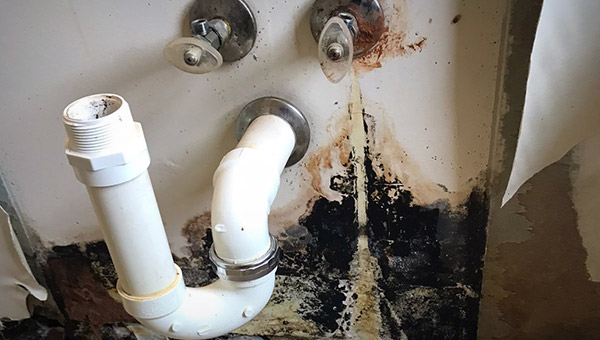
- Under kitchen and bathroom sinks
- Behind toilets and shower walls
- Inside cabinets and vanities
- Under tile, laminate, or vinyl flooring
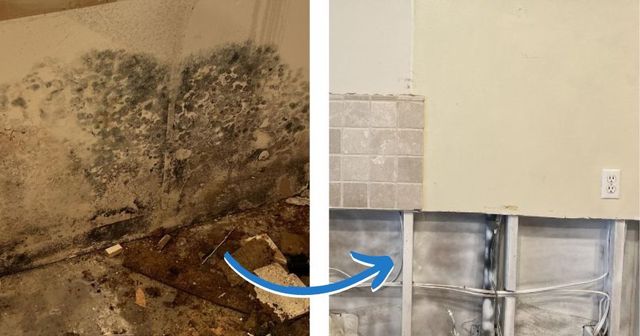
- Inside wall cavities where pipes run
- Near water heaters and laundry rooms
In Brevard County homes, under-sink mold and wall-cavity mold are especially common.
Warning Signs Mold May Be Developing After a Leak
Mold growth doesn’t always start with visible spots.
Watch for:
- Musty or damp odors near plumbing areas
- Cabinets that smell or feel soft
- Bubbling paint or peeling drywall
- Warped or lifting flooring
- Mold that returns after cleaning
- Odors that worsen when AC runs
These signs often indicate moisture is still present inside materials.
Why Small Leaks Can Cause Big Mold Problems
Slow leaks are often more dangerous than sudden ones.
Why?
- They go unnoticed longer
- Materials stay damp for extended periods
- Mold grows quietly behind surfaces
- Damage spreads beyond the leak area
In Brevard County, slow plumbing leaks are one of the most common causes of hidden mold.
Under-Floor Mold From Plumbing Leaks
Plumbing leaks that reach the slab can spread moisture under flooring.
Warning signs include:
- Musty smells near floor level
- Loose tiles or planks
- Discoloration along baseboards
- Floors that feel cool or damp
Once moisture gets trapped under flooring, mold can grow without surface evidence for months.
HVAC Systems Can Spread Plumbing-Leak Mold
If mold develops near return ducts or air handlers, spores can circulate throughout the home.
Signs HVAC involvement may include:
- Odors when the AC turns on
- Mold appearing in multiple rooms
- Dust that smells musty
- Condensation around vents
Plumbing leaks near air handlers or inside walls with ductwork increase this risk.
Why DIY Cleanup Rarely Fixes Plumbing-Leak Mold
Many owners clean visible mold under sinks or repaint damaged areas.
DIY efforts fail because:
- Mold is growing behind walls or cabinets
- Wet materials weren’t removed
- Moisture remains trapped
- High humidity supports regrowth
Surface cleaning improves appearance but doesn’t address the root cause.
How Professional Inspections Identify Plumbing-Leak Mold
A professional mold inspection focuses on finding hidden moisture, not just visible growth.
An inspection may include:
- Moisture readings in walls, floors, and cabinets
- Inspection of plumbing pathways
- Indoor humidity measurements
- HVAC system evaluation
- Identification of leak history and moisture spread
In Brevard County homes, inspections often reveal moisture well beyond the original leak location.
Mold Testing After Plumbing Leaks
Mold testing isn’t always required, but it can help when:
- Odors persist without visible mold
- Multiple rooms are affected
- Wall or floor contamination is suspected
- Documentation is needed for insurance or property decisions
Testing is most effective when paired with moisture findings.
Proper Mold Remediation After Plumbing Leaks
Effective remediation addresses both mold and moisture.
A proper process typically includes:
Containment
Preventing spores from spreading during work.
Removal of wet or mold-damaged materials
Including drywall, insulation, cabinets, or flooring as needed.
Cleaning and air filtration
Using HEPA filtration to reduce airborne spores.
Moisture correction and drying
Ensuring all affected areas are fully dry.
Verification
Confirming conditions no longer support mold growth.
This approach prevents mold from returning after plumbing repairs.
Preventing Mold After Future Plumbing Leaks
While leaks aren’t always avoidable, mold often is.
Helpful prevention steps include:
- Inspecting under sinks regularly
- Addressing even small leaks immediately
- Drying affected areas thoroughly
- Monitoring indoor humidity
- Inspecting behind cabinets after leaks
- Scheduling inspections after plumbing failures
Early action makes a major difference in Florida’s climate.
Why Local Brevard County Experience Matters
Plumbing leaks behave differently in Florida homes due to humidity, slab foundations, and year-round AC use. Brevard County properties face challenges that make moisture harder to eliminate once it enters the structure.
Professionals familiar with local conditions understand how plumbing leaks typically affect area homes and where mold is likely to develop. Cocoa Mold Removal brings this local experience, helping property owners identify plumbing-leak mold accurately and prevent repeat damage.
A Practical Takeaway for Property Owners
Plumbing leaks don’t need to be dramatic to cause mold. In Brevard County, even small leaks can lead to hidden moisture and mold growth if drying isn’t thorough.
If your property has experienced a plumbing leak—recent or past—an early evaluation can prevent long-term mold problems. Proper drying, inspection, and moisture control protect your home, reduce repair costs, and help ensure that a simple plumbing issue doesn’t turn into a much larger one.
Relevant Images for This Article