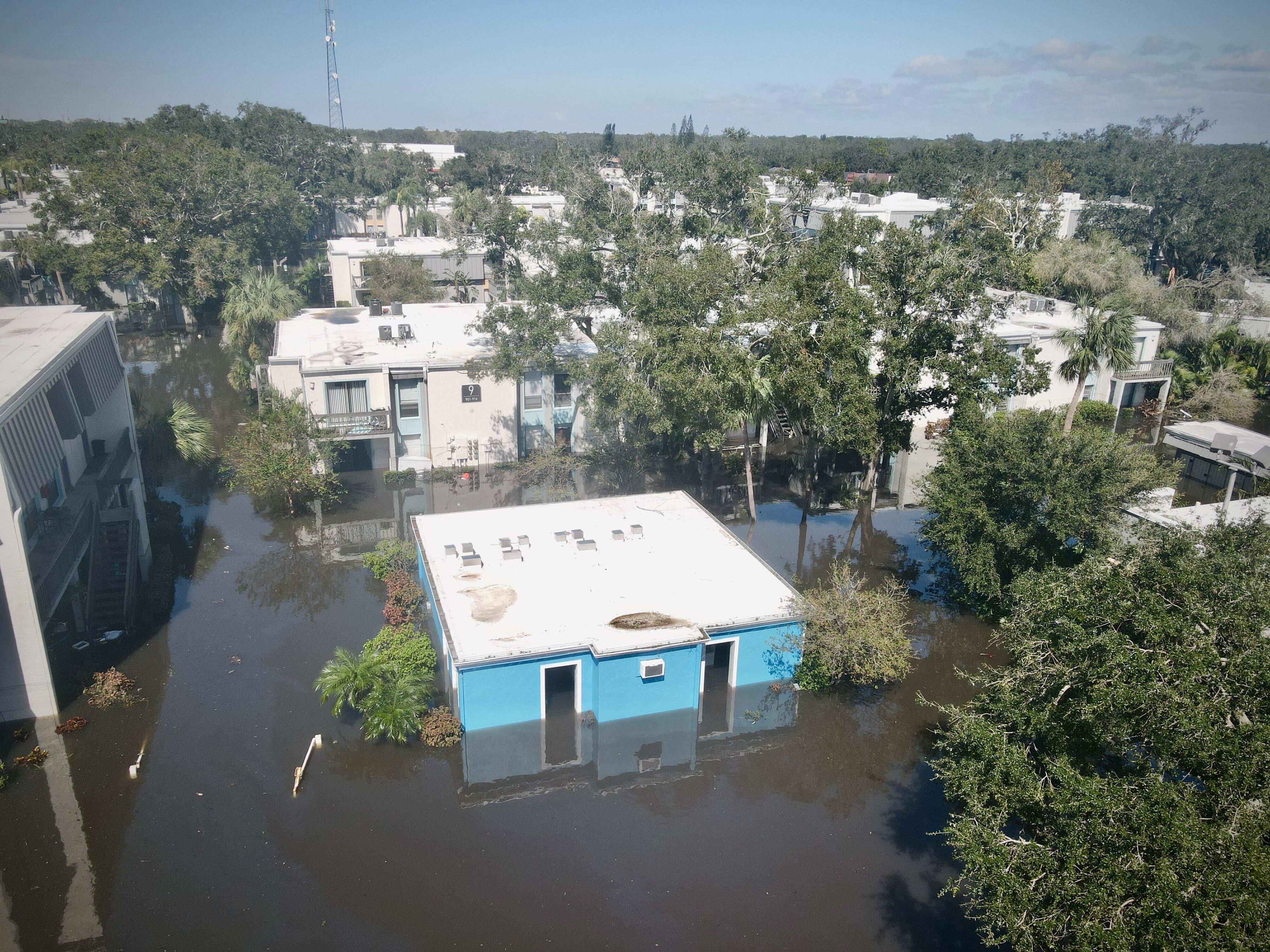
Landlord Mold Responsibilities in Port St. John: What Cocoa Area Property Owners Should Know
Mold issues in rental properties can quickly turn into tense situations—especially in Port St. John, where Florida’s humidity, heavy rain, and year-round air conditioning make moisture problems hard to avoid. When mold concerns arise, landlords are often unsure where their responsibilities begin and end, or how to respond without escalating the issue.
For property owners and landlords in Port St. John and the surrounding Cocoa area, understanding mold responsibilities isn’t about fear or finger-pointing. It’s about knowing how moisture behaves locally, what reasonable property maintenance looks like, and how to handle mold concerns in a calm, practical way that protects both the property and the tenant relationship.
Why Mold Issues Are Common in Port St. John Rentals
Port St. John rental properties face environmental challenges that increase the likelihood of mold complaints.
High humidity
Indoor moisture levels can remain elevated even when air conditioning is running.
Frequent rain and storms
Roof, window, and exterior wall leaks may occur without obvious interior damage at first.
Year-round HVAC use
Condensation inside air handlers, drain pans, and ductwork is common in Florida rentals.
Slab foundations
Moisture can become trapped beneath flooring or wick into lower wall sections.
Older rental properties
Aging plumbing, roofing, or ventilation systems increase moisture risk.
These factors mean mold concerns often arise even when tenants and landlords are acting in good faith.
What Landlord Mold Responsibility Really Means
Landlord mold responsibility generally centers on property condition and moisture control, not just visible mold itself. Mold grows when moisture is present, so responsibilities are typically tied to maintaining the building in a condition that does not allow ongoing moisture intrusion.
In Port St. John rentals, landlord responsibility usually relates to:
- Maintaining roofs, plumbing, and windows
- Ensuring HVAC systems drain and operate properly
- Addressing leaks or water damage promptly
- Providing functional ventilation in bathrooms and kitchens
Mold itself is not the cause—it’s the symptom of a moisture issue that needs attention.
Common Mold-Related Issues Landlords Encounter
Landlords often encounter mold concerns in predictable situations.
Common scenarios include:
- Mold complaints after storms or heavy rain
- Repeated mold in bathrooms or kitchens
- Musty odors without visible mold
- Mold discovered during tenant turnover
- Mold found behind walls or under flooring
- HVAC-related mold concerns
Understanding the source of moisture in these situations is key to handling them correctly.
Moisture Sources Landlords Are Typically Responsible For
While responsibilities vary by situation, landlords are generally responsible for building-related moisture sources.
These commonly include:
Roof leaks
Even small roof issues can allow water to enter walls or ceilings.
Plumbing leaks
Leaks behind walls, under sinks, or near water heaters must be addressed promptly.
HVAC condensation issues
Clogged drain lines or poorly maintained systems can cause ongoing moisture problems.
Window and door leaks
Wind-driven rain can enter through failed seals or flashing.
Structural drainage problems
Poor grading or drainage can introduce moisture beneath the building.
When these issues exist, mold growth is often a downstream effect.
Tenant-Related Factors That Can Contribute to Mold
Not all mold concerns stem from building defects. Daily habits can influence moisture levels inside a rental unit.
Tenant-related factors may include:
- Not using bathroom exhaust fans
- Blocking vents or airflow
- Not reporting small leaks promptly
- Drying clothes indoors without ventilation
- Keeping windows closed while generating steam
These factors can increase humidity, but they often interact with building conditions, rather than acting alone.
Why Mold Complaints Should Never Be Ignored
Ignoring mold complaints is one of the biggest mistakes landlords make—not because every complaint signals a major issue, but because unresolved moisture can worsen over time.
When mold complaints are ignored:
- Moisture continues feeding hidden growth
- Repairs become more extensive and expensive
- Tenant frustration increases
- Documentation gaps can create disputes later
Early evaluation is almost always simpler and less disruptive than delayed action.
How Mold Inspections Help Clarify Responsibility
A professional mold inspection helps separate assumptions from facts.
A proper inspection typically focuses on:
- Identifying active moisture sources
- Determining whether mold is surface-level or hidden
- Evaluating HVAC, plumbing, and ventilation
- Assessing whether moisture is ongoing or historical
For landlords in Port St. John, inspections provide clear documentation that helps guide responsible decisions without speculation.
Mold Testing and Rental Properties
Mold testing is not always required, but it can be useful in certain rental situations.
Testing may be appropriate when:
- Mold is suspected but not visible
- Odors persist after cleaning or repairs
- Multiple areas are involved
- Documentation is needed during tenant turnover or disputes
Testing works best when paired with a moisture-focused inspection and clear interpretation.
Proper Mold Remediation in Rental Properties
When mold is confirmed and tied to moisture issues, remediation must be handled correctly.
A proper remediation process typically includes:
Containment
Isolating affected areas to prevent spore spread.
Removal of affected materials
Removing mold-damaged drywall, flooring, or insulation as needed.
Cleaning and air filtration
Using HEPA filtration to reduce airborne spores.
Moisture correction
Fixing leaks, improving ventilation, or addressing HVAC issues.
Drying and verification
Ensuring affected areas are dry before repairs or re-occupancy.
This approach resolves the problem rather than masking it.
Why Quick Repairs Matter More Than Cleanup
Many disputes arise when mold is cleaned repeatedly but moisture is never corrected.
Quick, effective repairs:
- Prevent mold from returning
- Reduce tenant complaints
- Protect building materials
- Limit long-term costs
In Florida’s climate, moisture control is far more important than surface cleaning.
Preventing Mold Issues in Port St. John Rentals
Proactive maintenance is the most effective way for landlords to reduce mold problems.
Helpful prevention steps include:
- Regular plumbing and HVAC inspections
- Prompt response to maintenance requests
- Ensuring exhaust fans work properly
- Inspecting properties after storms
- Monitoring vacant units for humidity buildup
- Addressing even minor water stains quickly
Prevention protects both the property and landlord-tenant relationships.
Why Local Port St. John Experience Matters
Mold behavior varies by climate and building style. Port St. John rentals face challenges tied to humidity, storms, slab construction, and local housing designs.
Professionals familiar with Port St. John understand where moisture typically enters rental properties and how mold develops locally. Cocoa Mold Removal brings this local experience, helping landlords address mold concerns accurately and prevent repeat issues.
A Calm, Practical Approach for Landlords
When mold concerns arise, the most effective response is calm evaluation—not assumptions. Identifying moisture sources early, documenting findings, and correcting problems promptly protects the property and reduces conflict.
For landlords in Port St. John, handling mold responsibly is about maintenance, communication, and understanding how Florida’s climate affects rental housing. Addressing moisture early is the best way to keep mold issues manageable and rental properties in good condition.
Relevant Images for This Article