Is Mold Dangerous in Cocoa Beach: What Cocoa Area Property Owners Should Know
Homeowners and property managers in Cocoa Beach often ask the same question after discovering mold inside their home or condo: Is mold dangerous? The concern is understandable, especially in a coastal Florida environment where humidity, storms, and moisture problems are part of everyday life.
In communities throughout Cocoa Beach, Cocoa, West Cocoa, Port St. John, Sharpes, and Canaveral Groves, mold problems are fairly common because moisture easily finds its way indoors. However, confusion and misinformation often cause unnecessary panic or, on the other hand, lead homeowners to ignore mold issues entirely.
The truth usually lies somewhere in between. Understanding what mold actually is, why it develops indoors, and why addressing moisture matters helps property owners make practical, calm decisions about protecting their homes.
Understanding Mold in Florida Homes
Mold is a natural part of Florida’s outdoor environment. Mold spores are constantly present in the air, especially in warm, humid regions like Brevard County. Outdoors, mold plays an important role in breaking down organic material.
Problems begin when mold spores land on damp surfaces inside homes and begin growing. Indoor mold growth occurs when materials such as drywall, wood, insulation, or carpeting remain moist for extended periods.
Common moisture sources in Cocoa Beach homes include:
- Roof leaks after storms or hurricanes
- Plumbing leaks inside walls or cabinets
- Air-conditioning condensation problems
- Flooding or storm water intrusion
- High indoor humidity levels
- Slab foundation moisture
- Poor ventilation in enclosed spaces
Once mold begins growing indoors, it can spread if moisture conditions continue.
Why Mold Is So Common in Cocoa Beach Homes
Living near the coast means constant exposure to moisture. Even well-maintained homes can experience mold issues over time.
Several local factors increase mold risk.
Coastal Humidity
Humidity levels in Cocoa Beach remain high year-round, making indoor moisture control challenging.
Storm and Hurricane Exposure
Wind-driven rain can sometimes enter homes through small openings, especially during tropical storms or hurricanes.
AC Systems Running Constantly
Air-conditioning systems remove humidity, but clogged drains or condensation problems sometimes allow moisture to accumulate indoors.
Older Coastal Construction
Some homes and condos built decades ago may lack modern moisture protection features.
Because moisture is unavoidable locally, mold problems sometimes develop even in homes that appear well maintained.
So, Is Mold Dangerous?
This is the question most homeowners want answered clearly.
Mold itself is not unusual — it exists naturally everywhere outdoors. The primary concern with indoor mold is not simply its presence, but the moisture conditions allowing it to grow.
For property owners, mold usually presents three main concerns:
Property Damage
Mold feeds on materials like drywall and wood. Over time, moisture and mold can weaken or damage parts of the home.
Indoor Comfort Issues
Musty odors and damp indoor air can make homes uncomfortable.
Potential Sensitivities
Some people may be more sensitive to indoor environmental conditions, noticing discomfort in damp environments.
However, most residential mold situations are manageable when addressed early and moisture sources are corrected.
The biggest risk is often ignoring mold growth and allowing moisture problems to continue.
Common Signs Mold May Be Affecting a Home
Mold growth is not always immediately visible. Homeowners often notice warning signs before discovering mold itself.
Common indicators include:
Persistent Musty Odors
A damp smell often signals hidden mold growth behind walls or ceilings.
Ceiling or Wall Stains
Yellow or brown stains may appear after roof or plumbing leaks.
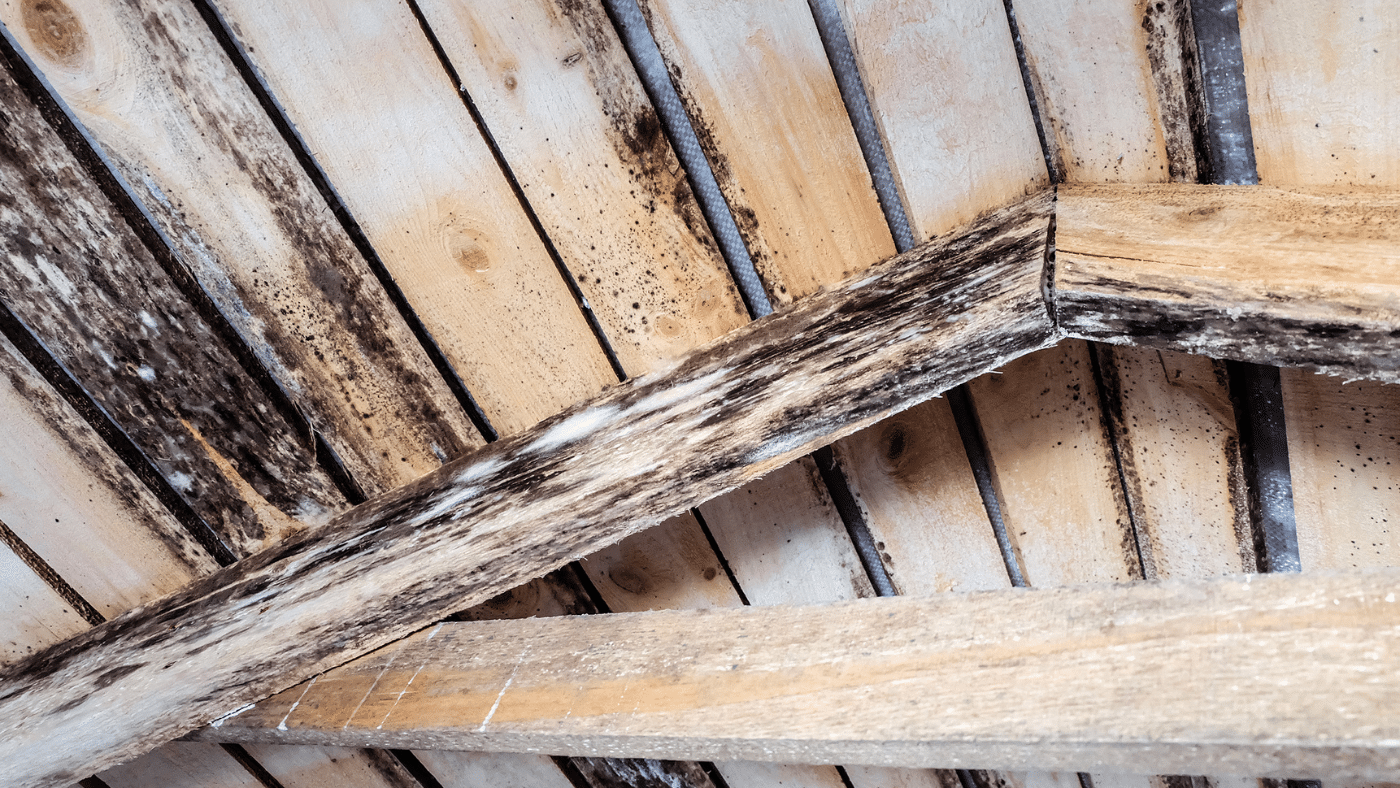
Mold Spots on Walls or Ceilings
Dark spotting sometimes becomes visible around vents or corners.
Damp or Humid Indoor Air
Homes may feel uncomfortable even with air conditioning running.
Warped or Damaged Materials
Moisture sometimes causes flooring or drywall to swell or peel.
If these signs appear, moisture conditions should be investigated.
Hidden Mold Growth Is Often the Bigger Issue
One challenge in Cocoa Beach homes is that mold frequently grows in concealed spaces.
Common hidden locations include:
- Inside attic insulation after roof leaks
- Behind drywall following plumbing issues
- Beneath flooring materials
- Inside HVAC ductwork
- Around window or door frames
- Inside closets along exterior walls
- In garages or storage areas
Homeowners sometimes clean visible mold without realizing growth continues behind surfaces.
Why Mold Keeps Returning in Some Homes
One reason homeowners worry about mold is because it sometimes comes back after cleaning.
Recurring mold usually happens because:
- Moisture sources were never corrected
- Hidden mold remains behind walls
- Condensation problems continue
- Humidity levels remain too high
- Materials never fully dried after leaks
Cleaning mold without addressing moisture often leads to repeated problems.
When Mold Should Be Taken Seriously
While mold is common in Florida homes, certain situations deserve attention.
Professional evaluation may be helpful when:
- Mold covers large areas
- Musty odors persist
- Mold returns repeatedly
- Water damage occurred recently
- Multiple rooms show signs of mold
- Mold appears near HVAC systems
- Home purchase or sale inspections reveal mold
Early action usually prevents larger repairs later.
Why DIY Cleanup Often Falls Short
Homeowners frequently try to clean mold themselves, especially when growth seems small.
Common DIY mistakes include:
- Cleaning without correcting moisture sources
- Painting over mold-damaged surfaces
- Using bleach on porous materials
- Ignoring hidden mold behind walls
- Not drying areas thoroughly
Without fixing moisture problems, mold often returns.
How Professional Mold Inspections Help
Professional inspections help determine whether mold growth is widespread and what is causing moisture problems.
A typical inspection includes:
Visual Inspection
Inspectors evaluate attics, walls, HVAC systems, and moisture-prone areas.
Moisture Detection Tools
Specialized equipment helps locate hidden moisture.
Air or Surface Testing When Needed
Sampling may help evaluate indoor conditions when mold is not visible.
Identifying Moisture Sources
Inspectors determine where leaks or condensation originate.
Inspection results help guide appropriate solutions.
How Mold Problems Are Properly Corrected
When mold contamination is confirmed, remediation focuses on both cleanup and moisture correction.
Typical steps include:
- Containing affected areas
- Removing mold-damaged materials safely
- Cleaning surrounding surfaces
- Repairing leaks or condensation sources
- Thoroughly drying affected materials
Once moisture issues are corrected, mold typically stops returning.
Preventing Mold Problems in Cocoa Beach Homes
Since humidity is unavoidable locally, prevention focuses on moisture management.
Helpful steps include:
- Maintaining air conditioning systems regularly
- Keeping condensate drain lines clear
- Repairing leaks promptly
- Monitoring indoor humidity levels
- Running exhaust fans in bathrooms and kitchens
- Checking homes after storms
- Maintaining attic ventilation
- Ensuring airflow in closets and storage spaces
Routine maintenance greatly reduces mold risks.
Why Local Experience Matters
Homes in Cocoa Beach and throughout Brevard County face environmental challenges unique to coastal Florida.
Professionals familiar with local homes understand:
- Coastal humidity effects on buildings
- Storm intrusion patterns common locally
- Slab foundation moisture behavior
- Attic ventilation challenges
- AC condensation problems affecting homes
Local experience allows faster identification of moisture sources and practical solutions. Cocoa Mold Removal regularly assists homeowners throughout Cocoa Beach, Cocoa, West Cocoa, Port St. John, Sharpes, and Canaveral Groves, helping property owners address mold concerns calmly and effectively.
A Calm, Practical Next Step for Homeowners
Finding mold in a home can feel stressful, but most mold situations are manageable when moisture issues are corrected early. The key is addressing the underlying moisture source rather than focusing only on visible mold.
If you suspect mold or persistent moisture concerns in your Cocoa Beach or Cocoa area home, a professional evaluation can help clarify what is happening and guide practical next steps to keep your property dry and protected long-term.
Taking action early almost always saves time, expense, and stress compared to waiting for problems to worsen.