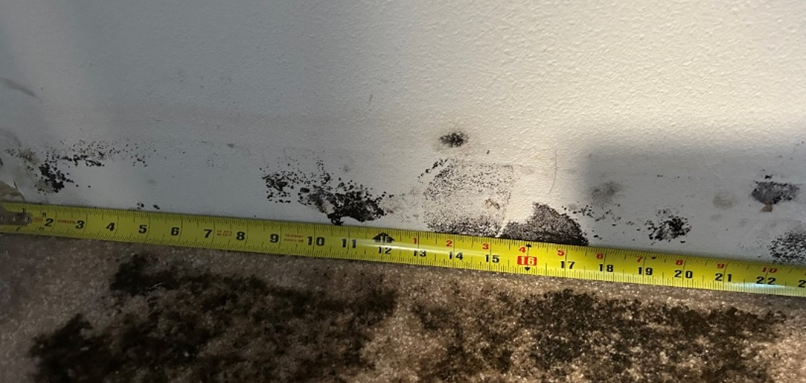
How Fast Mold Grows in Florida in Port St. John: What Cocoa Area Property Owners Should Know
One of the most surprising things for property owners in Port St. John is just how quickly mold can begin growing. Many people assume mold takes weeks or months to appear, but in Florida’s climate, mold growth often starts far sooner than expected. By the time visible signs show up, mold may already be well established behind walls, under floors, or inside HVAC systems.
In Port St. John, Cocoa, Cocoa Beach, West Cocoa, Sharpes, and Canaveral Groves, homes face a combination of high humidity, warm temperatures, frequent rain, slab foundations, and near year-round air conditioning. These conditions dramatically speed up mold growth compared to cooler or drier regions. Understanding how fast mold grows—and why it grows so quickly in Brevard County—helps property owners act early and prevent small moisture issues from turning into major problems.
This article explains how fast mold can grow in Florida homes, what factors accelerate growth in Port St. John, where mold typically appears first, and what property owners should know to reduce the risk.
Mold Growth Happens Faster Than Most People Expect
In ideal conditions, mold can begin growing within 24 to 48 hours after moisture is introduced. In Florida, those “ideal conditions” are present much of the year.
Mold growth follows a general pattern:
- First 24 hours: Materials become damp, spores begin activating
- 24–48 hours: Mold colonies may start forming
- 3–7 days: Mold growth expands and releases more spores
- Weeks later: Visible mold, odors, and damage often appear
By the time mold is visible, it’s rarely a brand-new problem.
Why Florida Accelerates Mold Growth
Mold grows everywhere—but Florida makes it grow faster.
Key factors in Port St. John include:
- Warm temperatures that speed biological activity
- High humidity that keeps materials damp
- Frequent rain that limits drying time
- Homes kept closed and air-conditioned
In contrast to dry climates, Florida rarely provides long dry periods that stop mold growth once moisture is present.
Humidity Is the Biggest Accelerator
Humidity matters more than temperature alone.
In Port St. John:
- Outdoor humidity often exceeds 70%
- Indoor humidity can rise quickly above 60%
- Mold can grow without any leaks
When humidity stays elevated, drywall, wood, insulation, and dust can absorb moisture from the air—providing mold with everything it needs to grow.
Mold Can Grow Without Standing Water
Many property owners believe mold needs flooding or obvious leaks.
In reality, mold grows when:
- Materials stay damp
- Condensation forms on cool surfaces
- Airflow is limited
This is why mold often appears in closets, bedrooms, and behind furniture even when there’s no visible water damage.
How Fast Mold Grows After a Leak
When a leak occurs, timing matters.
Typical growth timeline after a leak:
- Within hours: Drywall and wood absorb moisture
- 1–2 days: Mold spores begin colonizing
- 3–5 days: Mold spreads within materials
- 1–2 weeks: Odors and visible signs may appear
If leaks aren’t dried thoroughly and quickly, mold growth is almost inevitable in Florida.
Storms and Rain Speed Up Mold Growth
Storms don’t just cause immediate damage—they set the stage for mold.
After storms:
- Humidity spikes indoors
- Materials dry more slowly
- Moisture enters walls and attics
Mold often begins growing days after the storm, even if there’s no visible damage.
HVAC Systems and Mold Growth Speed
Air conditioning affects how fast mold grows.
AC systems:
- Cool surfaces, encouraging condensation
- Circulate humid air through the home
- May not remove moisture evenly
If condensation forms on ducts, vents, or air handlers, mold can begin growing in those areas very quickly.
Where Mold Grows First in Port St. John Homes
Mold doesn’t grow everywhere at once—it starts where moisture lingers.
Common early growth areas include:
- Behind drywall near leaks
- Under flooring on slab foundations
- Inside closets with poor airflow
- Attics with ventilation issues
- Around HVAC components
These areas often hide mold long before it’s discovered.
Slab Foundations and Growth Under Floors
Most homes in Port St. John are built on slab foundations, which affect mold growth speed.
Slabs can:
- Absorb moisture from saturated soil
- Release moisture upward
- Keep flooring damp for extended periods
This allows mold to spread under flooring before any signs appear in the room.
Why Mold Smells Before It’s Seen
Mold growth is often detected by odor first.
This happens because:
- Mold releases gases as it grows
- Odors travel through airflow
- Visible growth lags behind active colonies
If a musty smell appears, mold growth is usually already underway.
Why Mold Keeps Growing Once It Starts
Once mold begins growing, it’s hard to stop without intervention.
This is because:
- Florida humidity stays high
- Materials don’t fully dry
- Spores continue circulating
Even if moisture is reduced later, mold may already be established inside materials.
Cleaning Doesn’t Reset the Growth Timeline
Cleaning visible mold doesn’t slow future growth if moisture remains.
In many cases:
- Mold regrows within days or weeks
- New areas become affected
- Growth spreads through airflow
Stopping mold growth requires changing moisture conditions—not just cleaning surfaces.
Seasonal Differences in Growth Speed
Mold grows faster during certain times of year.
Fastest growth occurs during:
- Summer heat and humidity
- Rainy season
- After storms
Growth slows slightly during cooler, drier periods—but rarely stops completely in Florida.
Why Mold Appears “Suddenly”
Many property owners say mold appeared overnight.
In reality:
- Growth was happening out of sight
- Conditions reached a tipping point
- Mold became visible all at once
What looks sudden is usually the final stage of a longer process.
When Mold Testing Helps With Growth Concerns
Testing can help determine whether mold growth is active.
Testing may be useful when:
- Growth speed is unclear
- Odors persist without visible mold
- Multiple areas are affected
Testing works best when paired with moisture evaluation.
Why Local Experience Matters in Port St. John
Mold growth timelines depend heavily on local conditions.
Local professionals understand:
- Brevard County humidity patterns
- Slab foundation moisture behavior
- Seasonal growth cycles
- Storm-related moisture issues
Many property owners work with experienced local providers like Cocoa Mold Removal because knowing how fast mold grows locally helps guide early action.
How to Slow or Stop Mold Growth
The only reliable way to slow mold growth is to control moisture.
Effective steps include:
- Keeping indoor humidity below 55%
- Drying wet materials within 24 hours
- Running AC consistently
- Improving airflow in closed spaces
- Addressing leaks immediately
The faster moisture is controlled, the less chance mold has to grow.
Mold Growth and Property Value
Fast-growing mold can cause rapid damage.
Uncontrolled growth can affect:
- Flooring and drywall
- Indoor air quality
- Inspection results
- Repair costs
Early action protects both the home and its value.
A Practical Takeaway for Property Owners
In Port St. John, mold can begin growing within 24–48 hours when moisture is present—and Florida’s humidity, heat, and slab construction allow that growth to accelerate quickly. By the time mold is visible or smells noticeable, growth is often already well established behind surfaces.
Property owners who understand how fast mold grows are better prepared to act early by focusing on quick drying, humidity control, and moisture detection. In Port St. John and throughout the Cocoa area, time is the most important factor—addressing moisture quickly is the key to stopping mold before it spreads and becomes a recurring problem.