Hidden Mold in Port St. John: What Cocoa Area Property Owners Should Know
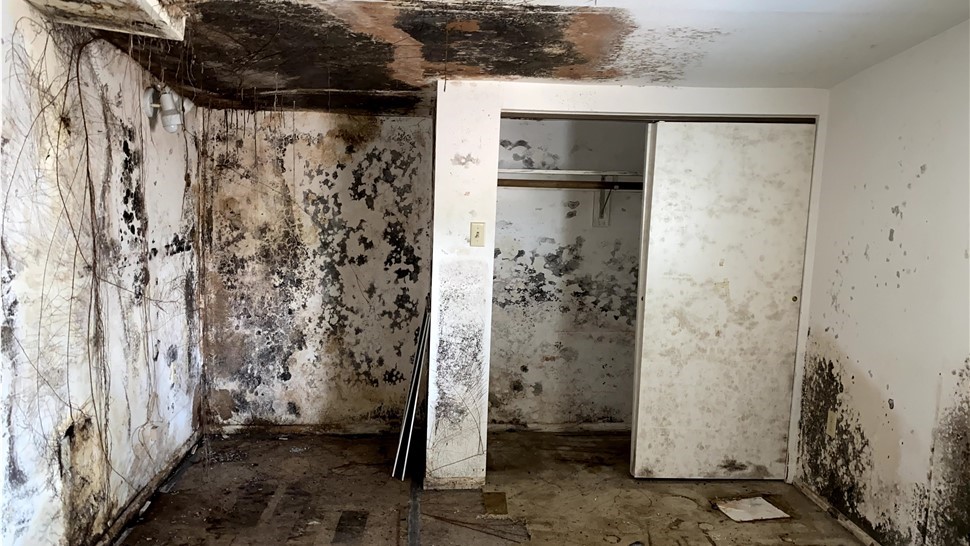
Hidden mold is one of the most dangerous and costly mold problems property owners face in Port St. John. Unlike visible mold on walls or ceilings, hidden mold grows quietly behind surfaces, inside building systems, and in areas rarely inspected. By the time it becomes obvious, the problem is often widespread.
For Cocoa area property owners, hidden mold is especially concerning because Port St. John’s climate creates ideal conditions for long-term moisture exposure—the exact environment mold needs to thrive. High humidity, heavy rain, aging homes, and constant air-conditioning use make it easy for mold to grow unnoticed for months or even years.
This guide explains what hidden mold is, why it is so common in Port St. John properties, how it impacts health and property value, where it typically hides, and what responsible property owners should do to detect and prevent it.
What Is Hidden Mold?
Hidden mold refers to mold growth that develops out of plain sight, often behind walls, above ceilings, under floors, or inside HVAC systems. Because it is concealed, property owners may have no idea it exists until symptoms, odors, or structural damage appear.
Hidden mold is especially problematic because:
- It often grows for long periods without detection
- It usually indicates ongoing moisture problems
- It can spread extensively before becoming visible
- It continuously affects indoor air quality
In Port St. John homes, hidden mold is far more common than visible mold—and often far more damaging.
Why Hidden Mold Is So Common in Port St. John
Port St. John shares the same environmental pressures found throughout the Cocoa area, but several factors increase the likelihood of hidden mold problems.
Key contributors include:
- High year-round humidity
- Heavy seasonal rainfall and storms
- Long air-conditioning seasons
- Condensation inside HVAC systems
- Aging plumbing and roofing materials
- Poor airflow in certain areas of the home
Mold spores exist naturally in the air. Hidden mold develops when moisture remains trapped inside building materials for more than 24–48 hours, often without obvious signs on the surface.
Common Causes of Hidden Mold
Hidden mold rarely appears without a reason. In Port St. John properties, the most common causes include:
Slow Plumbing Leaks
Small leaks behind walls, under sinks, or beneath flooring can feed mold growth for months before detection.
Roof Leaks and Storm Damage
Minor roof leaks often allow water to enter attic spaces or ceiling cavities without immediately staining interior surfaces.
HVAC Condensation
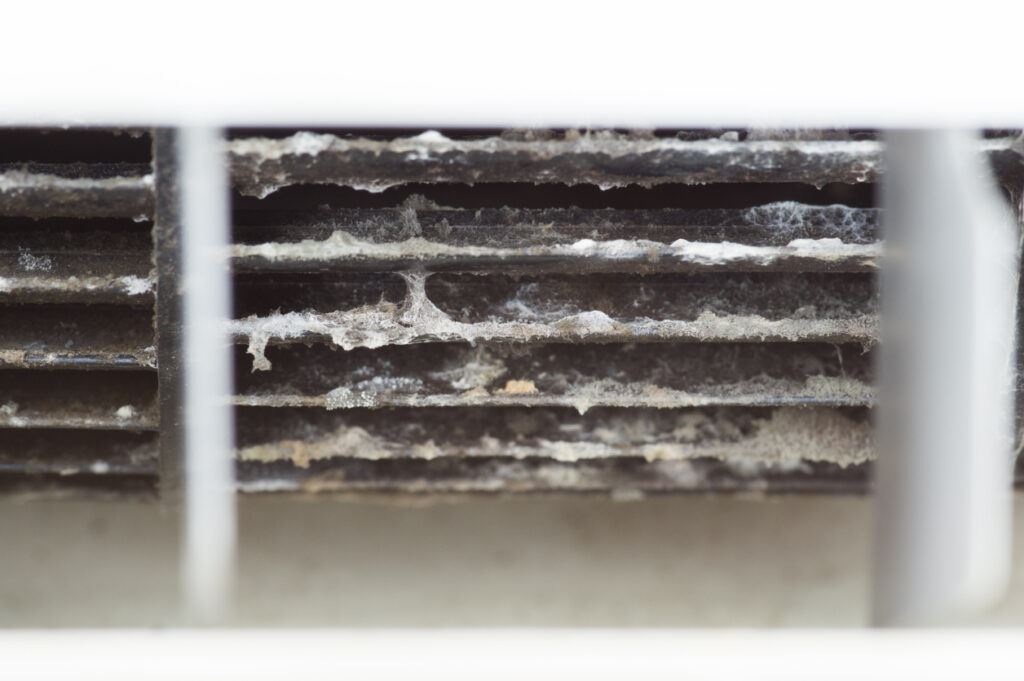
Air-conditioning systems remove humidity, but clogged drain lines, dirty coils, or poor airflow can cause moisture buildup inside air handlers and ductwork.
Past Water Damage
Flooding or water intrusion that was not thoroughly dried can leave moisture trapped inside walls and floors.
Poor Ventilation
Bathrooms, laundry rooms, and kitchens without adequate ventilation allow moisture to linger behind walls and ceilings.
Where Hidden Mold Commonly Hides
Hidden mold can exist almost anywhere moisture and organic material are present. In Port St. John homes, it is most often found in the following locations:
Behind Drywall and Baseboards
Plumbing leaks or condensation can allow mold to grow unseen inside wall cavities.
Attics and Ceiling Cavities
Roof leaks or humid air trapped in poorly ventilated attics create ideal conditions for hidden mold above living spaces.
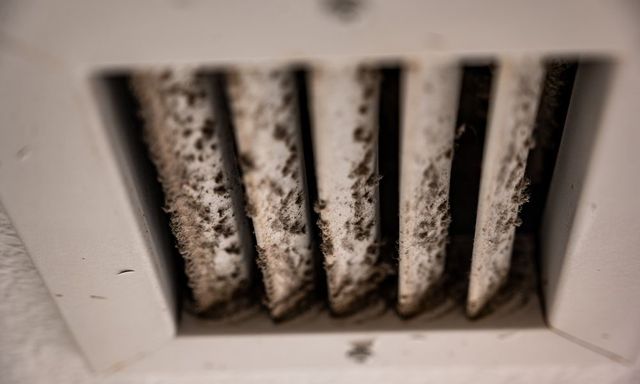
HVAC Systems and Air Ducts
Mold inside air handlers or ductwork spreads spores throughout the home every time the system runs.
Under Flooring
Moisture trapped beneath tile, laminate, or carpet padding can support mold growth without surface signs.
Closets and Storage Areas
Limited airflow combined with humidity makes these areas common hidden mold zones.
Health Effects of Hidden Mold Exposure
Hidden mold poses a significant health risk because it continuously affects indoor air quality without being obvious.
Common health symptoms associated with hidden mold exposure include:
- Sneezing, congestion, and itchy eyes
- Persistent coughing or throat irritation
- Headaches and chronic fatigue
- Worsening asthma or respiratory conditions
- Skin irritation in sensitive individuals
Children, older adults, and individuals with allergies or compromised immune systems are especially vulnerable. Many occupants do not connect these symptoms to mold because the source is not visible.
Why Hidden Mold Is Often Missed
Hidden mold problems frequently go undetected for long periods because:
- There is no visible mold growth
- Odors may be faint or intermittent
- Symptoms resemble seasonal allergies
- Standard cleaning does not address the source
- Mold grows inside building materials
In many Port St. John properties, hidden mold is only discovered during renovations, inspections, or professional mold assessments.
Signs That Hidden Mold May Be Present
Even without visible mold, there are warning signs property owners should not ignore.
Possible indicators of hidden mold include:
- Persistent musty or earthy odors
- Recurring respiratory or allergy symptoms indoors
- Water stains that keep returning
- Warped walls, floors, or baseboards
- Condensation on windows or vents
- Recent leaks or water damage
When these signs appear, further investigation is strongly recommended.
Why DIY Methods Cannot Address Hidden Mold
Hidden mold cannot be resolved with surface cleaning or household products. DIY efforts often make the problem worse.
Common DIY failures include:
- Cleaning only visible areas
- Disturbing mold colonies and spreading spores
- Ignoring moisture sources
- Allowing mold to continue growing unseen
Without professional moisture detection and containment, hidden mold almost always returns.
How Professionals Detect Hidden Mold
Professional mold inspections are designed to locate mold that cannot be seen.
Detection methods may include:
- Moisture meters to identify damp materials
- Infrared cameras to locate hidden moisture
- HVAC system inspections
- Air sampling to detect elevated mold spores
- Targeted surface sampling when needed
These tools allow professionals to identify hidden mold without unnecessary demolition.
What Hidden Mold Remediation Involves
When hidden mold is confirmed, remediation focuses on removing mold and correcting moisture problems.
Typical remediation steps include:
- Identifying and isolating affected areas
- Containing work zones to prevent spore spread
- Removing contaminated materials when necessary
- Cleaning and sanitizing affected surfaces
- Addressing moisture sources such as leaks or condensation
- Verifying that mold levels are controlled
Hidden mold remediation is often more involved than surface mold cleanup due to accessibility challenges.
Cost Implications of Hidden Mold
Hidden mold is often more expensive to remediate because:
- Damage is more extensive by the time it is discovered
- Walls, ceilings, or floors may require removal
- HVAC systems may need cleaning
- Moisture repairs are often required
Early detection significantly reduces costs. Delaying action almost always increases remediation scope and expense.
Preventing Hidden Mold in Port St. John Properties
Because Port St. John’s climate will always involve humidity and rain, prevention is essential.
Control Indoor Humidity
Keep indoor humidity between 30% and 50% using air conditioning and dehumidifiers.
Maintain HVAC Systems
Regular HVAC inspections help prevent condensation and mold growth inside air handlers and ducts.
Fix Leaks Immediately
Roof leaks, plumbing issues, and window leaks should never be delayed.
Improve Ventilation
Bathrooms, kitchens, and laundry areas should have properly functioning exhaust fans.
Schedule Periodic Inspections
Routine professional inspections help detect hidden moisture before mold develops.
Long-Term Management of Hidden Mold Risks
Managing hidden mold is an ongoing process, not a one-time fix.
Effective long-term strategies include:
- Preventive maintenance programs
- Moisture monitoring after storms
- Regular HVAC servicing
- Prompt response to water issues
- Professional evaluations when symptoms arise
Homes that take a proactive approach are far less likely to experience hidden mold problems.
Final Thoughts for Cocoa Area Property Owners
Hidden mold in Port St. John is one of the most serious mold risks property owners face because it develops quietly and spreads unnoticed. By the time it becomes visible, the damage is often extensive.
Understanding the warning signs, addressing moisture problems early, and investing in professional inspections are the best defenses against hidden mold. In a climate where humidity is constant, what you can’t see can hurt you—and your property.
For Cocoa area property owners, proactive detection and prevention are the keys to protecting indoor air quality, preserving property value, and avoiding the high cost of hidden mold remediation.