DIY Mold Removal Risks in Cocoa Beach: What Cocoa Area Property Owners Should Know
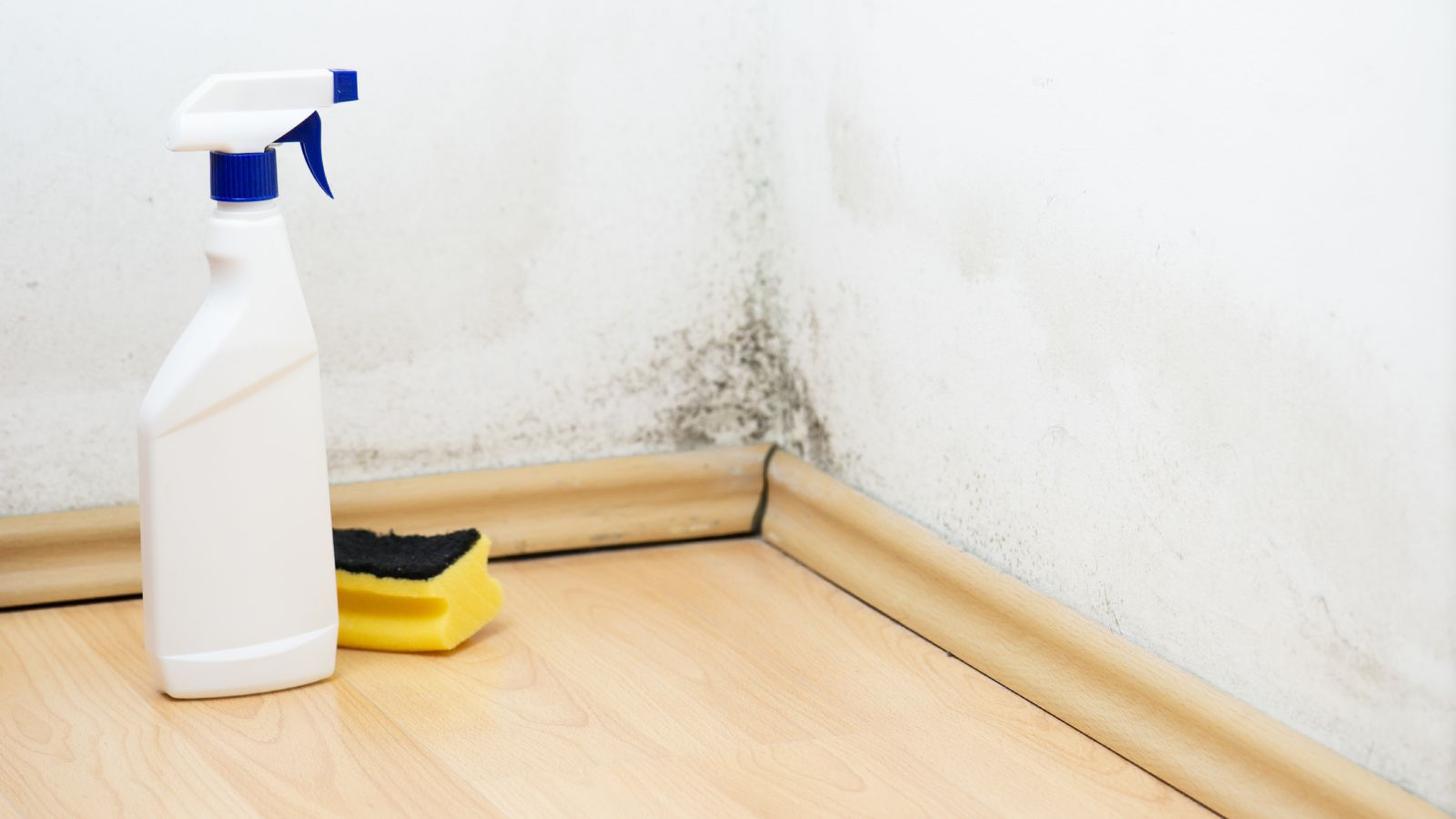
Mold problems are common in homes throughout Cocoa Beach and across Brevard County. With Florida’s coastal humidity, frequent storms, and year-round air conditioning use, moisture problems can develop quickly — and when moisture lingers, mold often follows.
When homeowners discover mold, the first reaction is often to try cleaning it themselves. Hardware stores sell mold sprays, bleach solutions, and cleaning tools that promise quick results. Online videos make removal look simple.
However, many property owners later discover that do-it-yourself mold removal often fails to solve the problem and sometimes makes conditions worse. Understanding the risks involved in DIY mold cleanup helps Cocoa area homeowners protect both their property and indoor environment.
Why Mold Problems Develop So Easily in Cocoa Beach Homes
Mold spores naturally exist everywhere, indoors and outdoors. They only become a problem when they land on damp surfaces and begin growing.
Cocoa Beach homes face several conditions that make mold growth more likely:
- High coastal humidity
- Frequent rainstorms and hurricanes
- AC condensation issues
- Plumbing leaks
- Roof and window leaks from storms
- Moisture trapped in walls or flooring
- Poor ventilation in some homes
Because humidity remains high even after surfaces dry, moisture often lingers in hidden areas. Mold can begin growing within 24–48 hours after water exposure.
By the time mold becomes visible, it may already be spreading behind surfaces.
Why Many Homeowners Attempt DIY Mold Removal
It’s understandable why homeowners try to handle mold problems themselves.
Common reasons include:
- Wanting to save money
- Believing the problem is small
- Seeing mold in only one location
- Wanting a quick solution
- Not realizing mold may be hidden
- Assuming cleaning products solve the issue
In many cases, mold appears as small spots on walls, ceilings, or cabinets. Cleaning these areas may temporarily improve appearance, but the root cause often remains.
The Biggest Problem: Mold Is Often Hidden
One of the biggest risks of DIY mold cleanup is assuming the visible mold is the only problem.
In Cocoa Beach homes, mold often grows in hidden areas such as:
- Behind drywall
- Under flooring
- Inside cabinets
- In attic insulation
- Inside HVAC systems
- Under sinks
- Inside wall cavities
- Crawl spaces
When homeowners clean visible mold, hidden contamination may continue growing unnoticed.
A few weeks or months later, mold reappears, sometimes worse than before.
Bleach and Household Cleaners Often Don’t Work
Bleach is one of the most common products homeowners use to remove mold. Unfortunately, it rarely solves the problem.
Bleach may lighten or remove surface stains, but it does not fully eliminate mold growing inside porous materials like:
- Drywall
- Wood framing
- Insulation
- Cabinet materials
- Subflooring
Bleach mostly affects the surface while mold roots remain active inside materials. Moisture trapped inside allows mold to return.
Some cleaners also introduce additional moisture, worsening the problem.
DIY Cleanup Can Spread Mold Spores
Another major risk of DIY mold removal is spreading contamination throughout the home.
When moldy materials are scrubbed, scraped, or disturbed:
- Spores become airborne
- Spores spread to other rooms
- HVAC systems distribute spores
- New mold colonies can start elsewhere
Without proper containment and filtration equipment, cleaning one area may contaminate others.
Homeowners sometimes notice mold appearing in new areas after attempting cleanup themselves.
Health and Safety Risks During DIY Cleanup
While mold impacts vary between individuals, disturbing mold growth exposes occupants to airborne spores and debris.
DIY cleanup often involves:
- Scrubbing contaminated surfaces
- Removing drywall or flooring
- Entering confined spaces
- Handling moldy materials without protection
Without proper respiratory protection and containment, exposure risks increase.
Additionally, crawl spaces and attics present safety hazards such as:
- Limited ventilation
- Structural hazards
- Electrical risks
- Heat exposure
Professional remediation teams use safety equipment and containment methods to reduce exposure risks.
Moisture Problems Often Go Unfixed
Perhaps the most common reason DIY mold removal fails is because the underlying moisture source remains.
Common hidden moisture sources include:
Plumbing Leaks
Slow leaks under sinks or inside walls may go unnoticed.
Roof Leaks
Storm damage may allow water intrusion that spreads through ceilings and walls.
AC Condensation Problems
Clogged drain lines or duct condensation introduce moisture.
Humidity Imbalances
Poor ventilation allows moisture buildup indoors.
Past Water Damage
Homes previously affected by leaks or storms may still contain trapped moisture.
Cleaning mold without correcting moisture guarantees mold will return.
Mold Can Damage Building Materials
Mold growing behind surfaces may weaken materials over time.
Common damage includes:
- Soft or crumbling drywall
- Warped flooring
- Damaged insulation
- Rotting wood framing
- Cabinet deterioration
- Ceiling damage
Homeowners who repeatedly clean mold without addressing hidden damage sometimes face costly repairs later.
Early professional evaluation often prevents structural damage.
How Professional Mold Inspections Help
When mold appears, a professional inspection helps determine whether contamination is limited or widespread.
A proper inspection may include:
Visual Evaluation
Inspectors identify areas showing moisture or mold patterns.
Moisture Detection
Tools locate damp materials behind walls or floors.
Leak Source Identification
Inspectors determine how moisture entered.
Air or Surface Testing (When Needed)
Testing helps confirm contamination in hidden areas.
Professionals familiar with Cocoa Beach homes understand how local humidity and storms influence mold growth.
An inspection often reveals whether DIY cleanup is sufficient or if professional remediation is needed.
What Proper Mold Remediation Looks Like
When contamination is significant, remediation focuses on safe removal and prevention.
Typical remediation steps include:
Containment Setup
Work areas are isolated to prevent spore spread.
Removal of Damaged Materials
Contaminated drywall or insulation may require removal.
Cleaning and Treatment
Remaining materials are professionally cleaned.
Moisture Correction
Leaks or ventilation problems are corrected.
Drying and Prevention
Areas are dried thoroughly to prevent recurrence.
The goal is long-term mold control rather than temporary cleaning.
Preventing Mold Problems in Cocoa Beach Homes
Because Florida homes face constant moisture challenges, prevention is essential.
Helpful prevention tips include:
- Repair leaks immediately
- Inspect homes after storms
- Maintain roofs and windows
- Service HVAC systems regularly
- Keep drain lines clear
- Use bathroom and kitchen exhaust fans
- Monitor indoor humidity levels
- Inspect attics and crawl spaces
- Dry wet materials quickly
- Address odors or stains early
Routine maintenance reduces the likelihood of serious mold problems.
Why Local Experience Matters
Homes across Cocoa Beach, Cocoa, West Cocoa, Port St. John, Sharpes, and Canaveral Groves vary in construction style and moisture exposure patterns.
Local professionals understand:
- Coastal humidity effects
- Storm-related water intrusion patterns
- Typical leak locations in Florida homes
- Slab and crawl space moisture challenges
- HVAC condensation issues common in the region
Companies like Cocoa Mold Removal regularly inspect homes throughout Brevard County and understand how local climate conditions influence mold growth without exaggerating risks.
Local experience helps homeowners get accurate solutions suited to Florida homes.
A Practical Next Step for Property Owners
If mold appears in your home, it’s understandable to want a quick solution. However, recurring mold often signals hidden moisture problems that surface cleaning cannot fix.
If mold returns after cleaning or if musty odors persist, it may be wise to have conditions evaluated. A professional inspection can determine whether contamination is limited or spreading behind surfaces.
For Cocoa Beach property owners, addressing mold early prevents larger repairs and helps maintain comfortable indoor living conditions.
In Florida’s humid environment, solving moisture problems — not just cleaning mold — is the key to protecting your home long-term.