Cheap Mold Removal Risks in Port St. John: What Cocoa Area Property Owners Should Know
When mold shows up in a home, it’s natural to look for the most affordable solution. But in communities like Port St. John, where Florida’s humidity, heavy rains, and slab foundations create moisture challenges, opting for cheap mold removal can end up costing far more in the long run.
This article explains why low-cost mold removal often fails, the risks it introduces, and what property owners in Port St. John, Cocoa, West Cocoa, Cocoa Beach, Sharpes, and Canaveral Groves should understand before choosing the least expensive option. Knowing the risks helps protect your home, avoid recurring mold, and make smarter decisions that actually solve the problem rather than just hide it.
Why “Cheap” Doesn’t Mean “Effective”
Mold problems are rarely superficial—especially in Florida. Mold only grows where there’s moisture, and moisture often travels deep into walls, floors, and hidden areas long before mildew becomes visible.
Low-cost mold removal usually focuses on:
- Wiping visible mold only
- Using bleach or household cleaners
- Ignoring moisture sources
- Avoiding containment procedures
These quick fixes may make a spot disappear temporarily, but they don’t address what caused the mold in the first place. In Port St. John’s humid climate, moisture is persistent—so mold almost always comes back if the source isn’t corrected.
Risk #1: Surface Cleaning Leaves Hidden Mold Behind
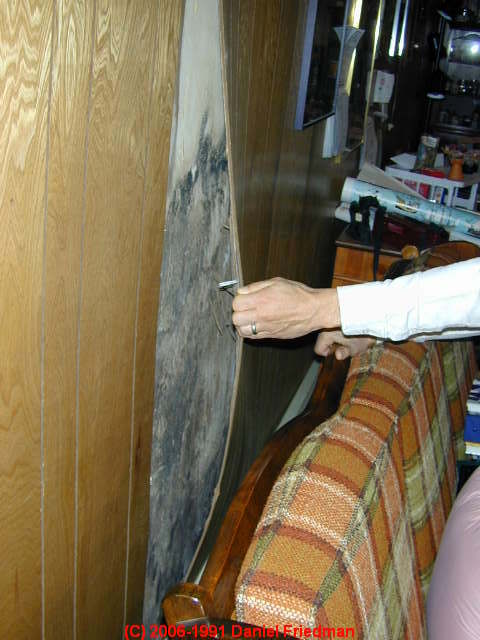
Cheap removal often means surface cleaning only. That might remove what you see, but it does nothing for what’s behind the surface.
In Florida homes, mold frequently grows:
- Behind drywall
- Inside wall cavities
- Under flooring
- In attics
- Around ductwork
Without removing or treating affected materials correctly, mold continues to grow out of sight. When this hidden mold spreads, the problem appears to “come back,” but in reality it never went away.
Risk #2: Moisture Source Isn’t Addressed
Mold is a symptom of moisture—not the problem itself. In Brevard County, common moisture sources include:
- AC condensation issues
- Roof or plumbing leaks
- High indoor humidity
- Slab foundation moisture
- Storm water intrusion
Cheap services often skip identifying or correcting the moisture source. If the moisture problem remains, mold keeps returning.
Risk #3: Lack of Containment Spreads Spores
One of the biggest risks with inexpensive mold removal is no containment.
Without proper containment:
- Spores become airborne
- Mold particles spread to other rooms
- Clean areas get contaminated
- The problem multiplies instead of shrinking
In a climate like Port St. John’s, spores easily travel through HVAC systems and open floor plans if not properly isolated during cleanup.
Risk #4: Bleach and Over-The-Counter Solutions Don’t Stop Growth
Bleach is one of the most commonly used tools in cheap mold removal—but it’s often ineffective.
Bleach:
- Only removes surface staining
- Does not penetrate into porous materials
- Doesn’t kill deeper mold colonies
- Can damage materials when misused
Because many building materials in Florida homes are porous (drywall, wood, insulation), bleach simply isn’t enough to stop regrowth.
Risk #5: Mold Returns Stronger
Because cheap removal doesn’t deal with moisture or hidden growth, mold usually comes back—often worse than before.
Recurring issues typically:
- Cover a larger area
- Require more aggressive removal
- Cause odors that spread
- Increase repair costs
Avoiding proper remediation often turns a manageable problem into a major headache.
Risk #6: Structural Damage Is Missed
Cheap services often ignore structural concerns.
Mold can:
- Weaken drywall
- Warp wood framing
- Deteriorate insulation
- Encourage rot in hidden areas
Without proper inspection, these issues go unnoticed until significant damage has already occurred. In Florida’s humid climate, materials stay damp longer and are more vulnerable.
Risk #7: HVAC Problems Go Unchecked
Mold removal cost cutters typically don’t inspect HVAC systems. That’s a problem because:
- AC systems move moist air
- Condensation often occurs in drain pans and ducts
- Air handlers may harbor spores
- Poor insulation promotes dripping
If your HVAC system is part of the moisture problem, surface cleanup doesn’t stop mold from spreading through your entire home.
Risk #8: Health-Related Concerns May Be Overlooked
Cheap mold removal rarely includes proper assessment of air quality or hidden growth. While this article avoids medical conclusions, incomplete removal can lead to:
- Persistent musty odors
- Odors that worsen in certain rooms
- Damp-feeling air despite AC use
These signs suggest mold is still growing, even if cleaners tell you the surface looks “clean.”
Risk #9: False Sense of Security
After a quick clean, homeowners often think the mold problem is solved—only to discover it returned later. This false sense of security delays real corrective action, letting mold and moisture continue to cause damage quietly.
Risk #10: Repairs May Be Needed Twice
Once low-cost removal fails, the next step is often professional remediation, which may involve:
- Removing and replacing materials
- Drying and dehumidification
- Sealing moisture entry points
- Containment setup
- HVAC remediation
These steps are far more costly than addressing the problem correctly the first time.
How Proper Mold Remediation Differs
Professional mold remediation in Port St. John includes:
Moisture Source Identification
Understanding where moisture entered and how it behaves.
Comprehensive Inspection
Checking behind surfaces and in hard-to-reach areas.
Containment
Blocking off affected spaces to prevent spore spread.
Safe Removal of Contaminated Materials
Removing materials that can’t be cleaned thoroughly.
Drying and Dehumidification
Eliminating moisture so mold can’t regrow.
Verification or Testing (When Needed)
Confirming that conditions are back to normal.
This full process costs more up front—but it stops the underlying issue rather than masking it.
When Cheap Cleanup Might Be Acceptable
There are a few limited cases where inexpensive mold cleanup might be reasonable, such as:
- Small, isolated surface mold
- Non-porous surfaces only
- No moisture source remains
- Immediate drying has occurred
However, even in these cases, verification that moisture is gone is critical.
Questions to Ask Before Hiring Anyone
Before agreeing to low-cost mold removal, consider asking:
- How will you find the moisture source?
- Will you use containment?
- Do you inspect hidden areas?
- Can you test moisture before and after?
- What guarantees do you offer?
Answers will reveal whether the company is offering a real solution or just a quick clean.
Practical Steps Property Owners Can Take
To avoid cheap cleanup risks in Port St. John:
- Act quickly when mold is noticed
- Address leaks and AC issues early
- Don’t assume surface cleaning is enough
- Keep indoor humidity below 55%
- Use professional evaluation for hidden growth
Early intervention often keeps mold problems smaller and more affordable to fix.
Why Local Experience Matters
Port St. John mold behavior is shaped by local conditions:
- Coastal humidity
- Storm-driven rain
- High slab moisture
- Constant AC use
Local professionals understand how these factors interact and help prevent mold from returning. Many property owners choose experienced local providers like Cocoa Mold Removal for thorough evaluation and solutions that last—rather than cheap cleanup that fails.
A Practical Takeaway for Property Owners
Mold removal is not just about what you see. In Florida’s climate, what you don’t see is often far more important. Cheap mold removal may cost less today, but it often leaves moisture and hidden growth behind—meaning mold returns later, and the true cost is paid in frustration, repeated work, and bigger repairs.
When mold matters in Port St. John, investing in a complete solution usually ends up being the most cost-effective choice over time.