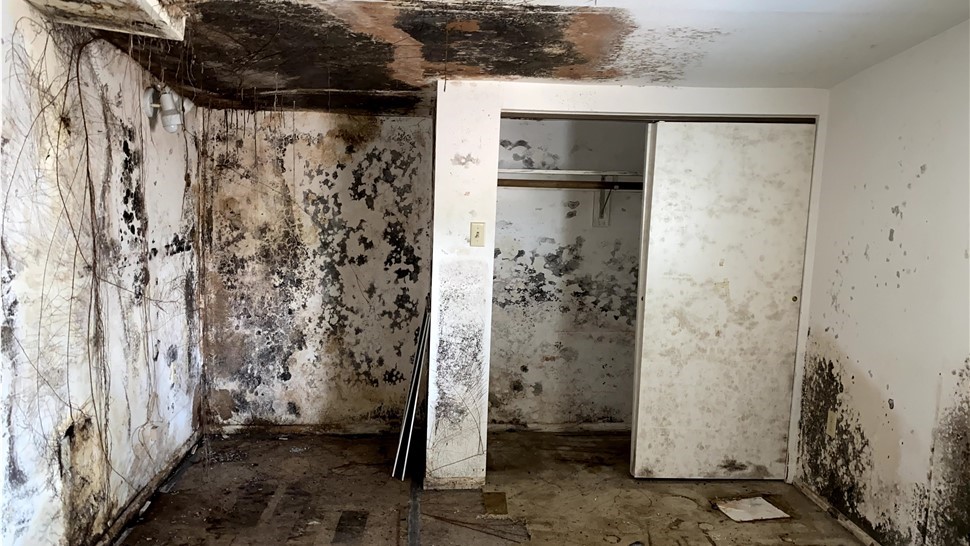
Mold in Commercial Properties in Port St. John: What Cocoa Area Property Owners Should Know
Mold problems in commercial buildings can escalate quickly—especially in Port St. John, where heat, humidity, and frequent rain create constant moisture pressure on structures. Unlike residential properties, mold in commercial spaces can disrupt business operations, affect employees and customers, and lead to costly repairs or liability concerns if not handled promptly.
For Cocoa area property owners, understanding how mold develops in commercial properties—and how it differs from residential mold—is critical to protecting both the building and the business inside it.
Why Commercial Properties in Port St. John Are High-Risk for Mold
Commercial buildings face unique mold challenges due to their size, design, and usage patterns. In Port St. John, common risk factors include:
- Large roof surfaces prone to leaks
- Complex HVAC systems producing condensation
- Higher occupancy levels increasing indoor humidity
- Limited airflow in storage rooms, offices, and restrooms
- Buildings operating year-round with minimal downtime
When moisture enters a commercial structure, it often spreads farther and faster than in a home.
Common Causes of Mold in Commercial Buildings
Mold in Port St. John commercial properties typically starts from one or more of these issues:
- Roof leaks after heavy rain or storms
- Plumbing leaks above ceilings or behind walls
- HVAC condensation and clogged drain lines
- Poor ventilation in restrooms or break rooms
- Water intrusion through doors, windows, or foundations
- High indoor humidity from equipment or foot traffic
Even small leaks can cause widespread mold growth when they go unnoticed in large buildings.
Areas Most Affected by Mold in Commercial Spaces
Mold in commercial properties is often hidden and discovered late. Common problem areas include:
- Drop ceilings and ceiling tiles
- HVAC ducts and air handlers
- Storage rooms and back offices
- Restrooms and janitorial closets
- Walls behind shelving or equipment
- Flooring beneath carpet tiles or vinyl
Because these spaces aren’t always visible, mold can spread extensively before detection.
Warning Signs Business Owners Should Watch For
Early detection is key. Common warning signs include:
- Musty odors in offices or hallways
- Stained ceiling tiles or wall discoloration
- Increased employee allergy or respiratory complaints
- Warped flooring or peeling paint
- Condensation around vents or windows
Ignoring these signs can lead to larger remediation projects and operational disruptions.
Health and Liability Concerns
Mold exposure in commercial environments can affect:
- Employees working long hours indoors
- Customers or clients visiting the space
- Tenants in multi-use buildings
Health complaints may include sinus irritation, headaches, allergies, or asthma flare-ups. From a liability standpoint, unresolved mold issues can lead to complaints, lease disputes, or workers’ compensation concerns.
Why Commercial Mold Problems Are Often Overlooked
Mold in commercial properties often goes unnoticed because:
- Issues develop above ceilings or inside walls
- Maintenance focuses on visible areas only
- Buildings remain occupied during moisture events
- Temporary fixes delay proper inspection
By the time mold is visible, it may already be widespread.
What to Do If Mold Is Suspected
If mold is suspected in a Port St. John commercial property:
- Document visible damage or odors
- Address any known water or humidity sources
- Avoid disturbing affected materials
- Limit access to impacted areas if necessary
Professional inspection helps determine the extent of mold and guides proper remediation without unnecessary disruption.
Preventing Mold in Commercial Properties
Cocoa area commercial property owners can reduce mold risk by:
- Scheduling regular roof and plumbing inspections
- Maintaining HVAC systems and drain lines
- Monitoring indoor humidity levels
- Ensuring proper restroom and breakroom ventilation
- Inspecting ceilings, storage areas, and mechanical rooms routinely
Preventive maintenance is far less costly than emergency remediation.
When Professional Mold Inspection Is Essential
Commercial mold inspection is especially important when:
- Odors persist without visible damage
- Multiple occupants report health symptoms
- Water intrusion occurred but damage is unclear
- The property has a history of leaks or humidity issues
Inspections provide documentation that helps with compliance, insurance, and remediation planning.
Final Thoughts for Cocoa Area Property Owners
Mold in commercial properties in Port St. John is more than a maintenance issue—it’s a business risk. Moisture problems can affect building integrity, indoor air quality, and day-to-day operations if not addressed quickly and thoroughly.
By understanding common causes, recognizing early warning signs, and prioritizing moisture control and inspection, Cocoa area property owners can protect their investments, tenants, and employees. When it comes to commercial mold, early action protects both property and productivity.