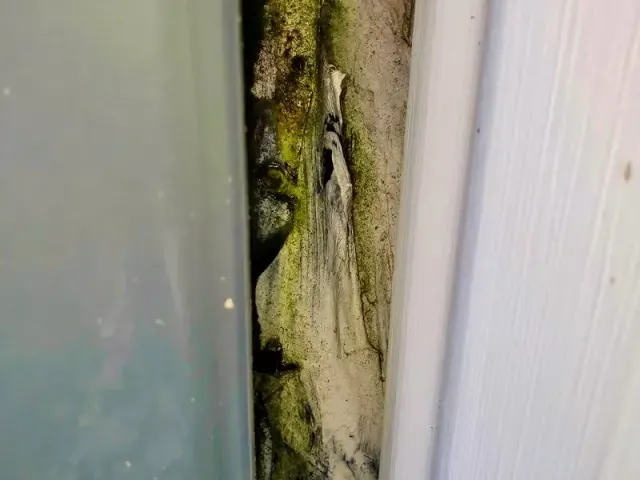
Mold in Spring in Cocoa: What Cocoa Area Property Owners Should Know
Spring in Cocoa feels like a welcome break from winter, but for property owners, it quietly signals the start of mold season. Rising temperatures, increasing humidity, and early rain events combine to create ideal conditions for mold growth—often before anyone realizes there’s a problem.
For Cocoa area property owners, spring mold issues are especially important because what begins now often worsens through summer if moisture problems aren’t addressed early.
Why Spring Triggers Mold Growth in Cocoa
Spring brings gradual environmental changes that mold thrives on:
- Increasing outdoor and indoor humidity
- Warmer temperatures activating dormant mold spores
- More frequent rain showers
- Condensation from AC systems restarting
- Moisture trapped from winter months
Mold spores that remained inactive during cooler, drier periods can quickly reactivate once moisture levels rise.
Humidity Changes During Spring
Humidity is the main driver of spring mold problems in Cocoa. As spring progresses:
- Indoor humidity levels climb above safe ranges
- Walls, ceilings, and furniture absorb moisture
- Closets and storage areas dry more slowly
- Damp air lingers inside closed homes
When indoor humidity consistently rises above 60%, mold growth becomes much more likely.
Early Spring Rain and Hidden Moisture
Spring rain in Cocoa may not be as intense as summer storms, but it often causes subtle water intrusion, including:
- Roof leaks from winter wear
- Wind-driven rain entering through small exterior gaps
- Water intrusion around windows and doors
- Saturated soil near slab foundations
These issues may not cause visible water damage, allowing mold to grow quietly inside walls or insulation.
Air Conditioning and Spring Mold
Spring is when many homeowners begin using air conditioning again. While AC helps cool the home, it can also contribute to mold if:
- Drain lines are clogged from winter buildup
- Drain pans overflow
- Systems cool air faster than they remove humidity
- Condensation forms on vents and ductwork
Improper moisture removal during spring often sets the stage for larger summer mold problems.
Common Areas Where Spring Mold Appears
In Cocoa homes, spring mold commonly develops in:
- Closets with limited airflow
- Bathrooms and laundry rooms
- Behind furniture placed against walls
- Under sinks and near plumbing
- Attics and ceiling cavities
- Around AC vents and returns
These areas often stay warm, dark, and slightly damp—ideal conditions for mold growth.
Warning Signs of Spring Mold Problems
Property owners should watch for early signs, including:
- Musty or earthy odors that appear during humid days
- Allergy symptoms that worsen indoors
- Condensation on windows or vents
- Bubbling paint or subtle wall discoloration
- Damp or stuffy indoor air
Catching these signs early can prevent extensive mold spread later in the year.
Why Spring Mold Is Often Overlooked
Spring mold problems are frequently ignored because:
- Growth is usually hidden at first
- Symptoms appear mild or inconsistent
- Moisture isn’t obvious
- Homes may look clean and dry
By the time mold becomes visible, it may already be established behind walls or flooring.
Health Concerns Linked to Spring Mold
Even low-level mold exposure during spring can cause:
- Sneezing and sinus irritation
- Worsening allergies
- Headaches and fatigue
- Asthma flare-ups
Because spring mold often leads into summer growth, early exposure can last for months.
What Cocoa Property Owners Can Do in Spring
To reduce mold risk during spring:
- Monitor indoor humidity levels
- Use dehumidifiers as humidity rises
- Ensure AC drain lines are clear
- Improve ventilation in closets and bathrooms
- Inspect for roof and window leaks after rain
- Avoid blocking airflow with furniture
Preventive moisture control in spring is far easier than remediation in summer.
When Mold Inspection Is a Smart Step
Professional mold inspection is recommended when:
- Musty odors persist in spring
- Indoor humidity remains high
- Health symptoms appear indoors
- Mold reappears every year
- Moisture sources are unclear
Inspections identify hidden moisture early—before mold spreads.
How Spring Mold Affects the Rest of the Year
Spring mold problems rarely stay confined to spring. Moisture absorbed now can:
- Feed mold through summer
- Worsen indoor air quality year-round
- Increase remediation costs later
- Cause recurring seasonal mold cycles
Addressing mold risk early helps protect the home long-term.
Final Thoughts for Cocoa Area Property Owners
Spring in Cocoa marks the beginning of mold season, not the end of moisture problems. Rising humidity, early rain, and AC condensation create the perfect environment for mold to take hold—often out of sight.
By understanding spring-specific mold risks and managing moisture proactively, Cocoa area property owners can prevent small issues from turning into costly, long-term mold problems. When it comes to mold in spring, early awareness is the strongest defense.