Mold in Vacation Rentals in Cocoa Beach: What Cocoa Area Property Owners Should Know
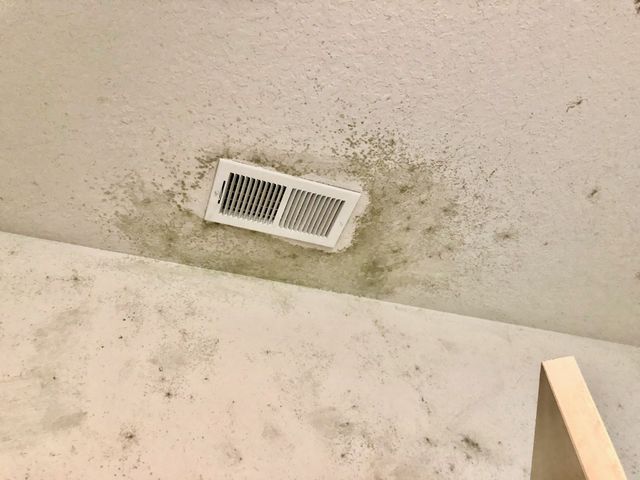
Vacation rentals are a major part of Cocoa Beach’s housing market. With visitors coming year-round to enjoy the beaches and Space Coast attractions, many property owners rent out homes or condos for short-term stays. However, vacation rental properties face a unique challenge that many owners underestimate: mold growth.
In Cocoa Beach and nearby communities like Cocoa, West Cocoa, Port St. John, Sharpes, and Canaveral Groves, mold problems are common due to Florida’s humidity and coastal climate. But vacation rentals often experience mold issues even more frequently because of occupancy patterns, maintenance timing, and moisture management challenges.
Understanding how mold develops in vacation rentals—and how to prevent it—helps Cocoa area property owners protect both their investments and guest experiences.
Let’s walk through what rental owners should know.
Why Mold Problems Are Common in Vacation Rentals
Mold grows when moisture remains in warm indoor spaces, and Florida’s climate provides ideal conditions for mold to thrive. Vacation rentals, however, have several additional factors that increase mold risk.
Common conditions include:
- Homes sitting empty between guest stays
- AC systems turned off or set too warm when vacant
- High humidity buildup when properties are closed
- Wet beach gear brought indoors
- Frequent use of showers and laundry
- Guests unaware of ventilation needs
- Storm-related moisture intrusion
Because vacation rentals cycle between heavy use and vacancy, moisture problems can develop without being noticed immediately.
In Cocoa Beach properties, mold often grows quietly between guest stays when humidity rises indoors.
How Florida’s Climate Contributes to Mold Growth
Coastal Florida presents ongoing moisture challenges for homes.
Constant Coastal Humidity
Ocean air carries moisture year-round. When homes remain closed, humidity builds indoors quickly.
Frequent Rain and Storms
Afternoon storms and tropical weather events can introduce moisture through windows, doors, or roofs.
AC Systems Running Constantly
Air conditioning removes humidity, but clogged drain lines or poor airflow can lead to condensation problems.
Salt Air Effects
Coastal air accelerates wear on exterior components, sometimes allowing water intrusion over time.
Vacation rentals near the coast must deal with these challenges more frequently than inland homes.
Why Vacation Rentals Face Unique Mold Risks
Vacation rental homes behave differently than primary residences.
Periods of Vacancy
When guests leave, owners sometimes turn off or reduce air conditioning to save energy. Without proper climate control, humidity levels rise rapidly.
Guests Bringing Moisture Indoors
Guests often return from the beach with wet towels, swimsuits, and gear, increasing indoor humidity.
High Bathroom and Laundry Use
Vacationers shower more frequently and wash beach items often, producing extra moisture.
Windows and Doors Left Open
Guests may open windows or doors for fresh air, allowing humid air inside while AC systems run.
Delayed Maintenance Detection
Maintenance teams may not notice slow leaks or moisture buildup until damage becomes visible.
These factors combine to create ideal mold conditions.
Common Signs Mold May Be Developing
Vacation rental owners or managers may notice early signs of mold growth between guest stays.
Warning signs include:
- Musty odors when entering the property
- Dark spots on walls or ceilings
- Mold near AC vents or windows
- Peeling paint or discoloration
- Damp carpet or flooring
- Mold in closets or storage areas
- Guest complaints about odors
Because rentals often receive quick cleaning turnovers, small warning signs may be overlooked.
Hidden Mold Locations in Rental Properties
Mold rarely stays limited to visible areas. It often grows in hidden spaces.
Inside Walls
Plumbing leaks or condensation may soak drywall internally.
Under Flooring
Moisture trapped beneath vinyl or laminate flooring allows mold to spread unnoticed.
Attics
Roof leaks or poor ventilation allow mold to grow on roof decking.
HVAC Systems
Condensation around air handlers or ducts can spread spores throughout the property.
Laundry Rooms and Closets
Small enclosed areas trap humidity easily.
Hidden mold often continues growing between guest stays.
Why Quick Cleaning Isn’t Enough
Cleaning crews typically focus on visible cleanliness, not moisture conditions.
Surface cleaning:
- Removes visible stains
- Improves appearance temporarily
- Does not address hidden moisture
- Does not eliminate mold roots in materials
If moisture remains, mold returns quickly.
Vacation rental owners sometimes mistake cosmetic improvement for problem resolution.
Professional Mold Inspection for Rental Properties
Professional inspections help determine whether mold is present and what caused it.
Inspections often include:
Visual Evaluation
Checking walls, ceilings, and moisture-prone areas.
Moisture Detection
Tools identify hidden moisture behind surfaces.
HVAC System Checks
Evaluating condensation or airflow problems.
Leak Identification
Finding plumbing or roof intrusion issues.
Testing When Necessary
Air or surface sampling helps determine contamination levels.
Professional evaluation helps prevent recurring guest complaints.
Proper Mold Remediation in Vacation Rentals
When contamination is discovered, remediation addresses both mold and moisture sources.
Remediation steps typically include:
Containment Setup
Preventing spores from spreading during cleanup.
Removal of Contaminated Materials
Replacing drywall or insulation if needed.
HEPA Air Filtration
Removing airborne spores during cleanup.
Structural Drying
Ensuring materials are fully dry before repairs.
Moisture Source Correction
Repairing leaks or ventilation problems.
Prevention Recommendations
Guidance for long-term moisture control.
Local professionals, including Cocoa Mold Removal, often help rental owners correct both contamination and underlying moisture issues.
How Mold Impacts Rental Income and Reviews
Mold problems affect more than property condition—they impact guest experience.
Possible consequences include:
- Guest complaints about odors
- Negative online reviews
- Refund requests
- Booking cancellations
- Reduced occupancy rates
- Increased maintenance costs
Vacation rental success depends heavily on guest satisfaction. Mold-related concerns can quickly damage a property’s reputation.
How Rental Owners Can Prevent Mold Problems
Preventative maintenance significantly reduces mold risk.
Helpful steps include:
- Keeping AC systems running even when vacant
- Maintaining indoor humidity below about 55%
- Scheduling regular maintenance inspections
- Checking properties after storms
- Ventilating bathrooms and laundry areas
- Servicing AC drain lines regularly
- Inspecting attics and garages periodically
- Encouraging guests to use ventilation fans
- Quickly addressing plumbing or roof leaks
Routine moisture management prevents many mold issues.
Why Local Cocoa Area Experience Matters
Vacation rental mold problems differ from typical residential issues.
Professionals familiar with Cocoa Beach and Brevard County understand:
- Coastal humidity challenges
- Common intrusion points in beachside properties
- AC condensation patterns in Florida homes
- Construction styles common locally
- Areas where rental properties commonly develop mold
Local experience helps professionals diagnose issues quickly and recommend practical solutions.
A Calm Next Step for Cocoa Beach Rental Owners
Mold concerns in vacation rentals can feel stressful, especially when guest satisfaction and property income are at stake. Fortunately, most mold issues begin as manageable moisture problems that can be corrected before serious damage occurs.
If your rental property has musty odors, moisture signs, or guest complaints, a professional inspection can help identify whether mold is present and what corrective steps may be needed.
For vacation rental owners in Cocoa Beach and surrounding Cocoa area communities, proactive moisture control remains the best strategy to protect both property value and rental income.
When uncertainty arises, a professional evaluation helps ensure your property remains comfortable, clean, and ready to welcome guests year-round in Florida’s humid coastal environment.