Mold and Allergies in Cocoa Beach: What Cocoa Area Property Owners Should Know
Mold and allergy concerns come up frequently for property owners in Cocoa Beach—and not without reason. Coastal humidity, frequent rain, and year-round air conditioning create conditions where moisture lingers indoors. When moisture isn’t controlled, mold can grow quietly in hidden areas, and many occupants notice allergy-like symptoms long before visible mold appears.
For homeowners, landlords, and property managers in Cocoa Beach and nearby Cocoa-area communities, understanding the connection between mold and allergy complaints helps you respond calmly and effectively. This isn’t about alarm or speculation—it’s about recognizing moisture problems early and addressing them before they spread.
Why Mold and Allergy Concerns Are Common in Cocoa Beach
Cocoa Beach’s environment makes moisture management more challenging than in inland or cooler regions.
High coastal humidity keeps indoor moisture elevated even with AC running.
Salt air and storms can accelerate wear on windows, doors, and HVAC components.
Warm temperatures allow mold to grow quickly once moisture is present.
Slab foundations can trap moisture beneath flooring.
Continuous AC use creates condensation in air handlers and ductwork.
Because of these factors, mold growth—and related allergy complaints—are more common here than many property owners expect.
How Mold Is Linked to Allergy-Like Symptoms
Mold grows by releasing microscopic spores into the air. In homes with moisture problems, those spores can circulate through living spaces, especially when HVAC systems are running.
Some occupants notice:
- Sneezing or nasal congestion indoors
- Itchy or watery eyes
- Throat irritation
- Symptoms that improve when away from the home
- Discomfort that worsens after rain or when the AC runs
These reactions vary by person, but they often point back to indoor moisture and mold conditions, not just surface cleanliness.
Mold Can Affect Indoor Air Without Being Visible
One of the biggest challenges in Cocoa Beach homes is that mold doesn’t need to be visible to affect indoor air.
Hidden mold often grows:
- Behind drywall after plumbing or window leaks
- Under flooring installed over concrete slabs
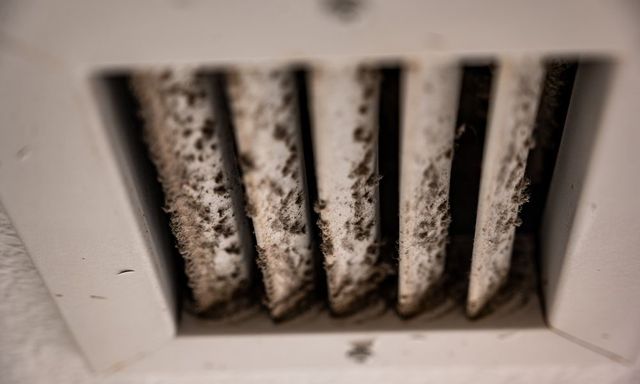
- Inside HVAC systems, air handlers, or ductwork
- Inside cabinets, closets, or wall cavities
- In attics with poor ventilation
In many cases, allergy complaints appear before anyone sees mold.
Common Areas Where Mold Triggers Complaints
Certain areas of the home are more likely to contribute to allergy concerns.
Problem areas often include:
- HVAC systems and ductwork
- Bathrooms with poor ventilation
- Kitchens under sinks or behind appliances
- Closets on exterior walls
- Rooms that are rarely used or poorly ventilated
- Areas affected by past water damage
In Cocoa Beach properties, HVAC-related mold is a frequent contributor because air movement spreads spores throughout the home.
Why Symptoms Often Get Worse Indoors
If allergy-like symptoms are stronger inside the home, it often points to an indoor source.
Common patterns include:
- Symptoms increasing when the AC turns on
- Discomfort after storms or heavy rain
- Issues strongest in certain rooms
- Improvement when windows are opened briefly or when leaving the home
These patterns usually align with moisture-driven mold rather than outdoor allergens alone.
Humidity Plays a Major Role
High humidity doesn’t just encourage mold—it can also make symptoms feel worse.
In Cocoa Beach homes:
- Humidity above 55% supports mold growth
- Damp air allows spores to remain airborne longer
- Materials dry slowly, allowing mold to persist
A home can feel cool and still be too humid. Managing humidity is critical for both mold prevention and indoor comfort.
Why Cleaning Alone Doesn’t Solve Allergy Complaints
Many property owners clean visible mold but find allergy complaints continue.
This usually happens because:
- Mold is growing in hidden areas
- Moisture sources weren’t corrected
- HVAC systems continue circulating spores
- Humidity remains elevated
Surface cleaning improves appearance but rarely fixes the underlying air quality issue.
How Professional Inspections Help Clarify the Cause
A professional mold inspection focuses on conditions, not assumptions.
An inspection may include:
- Moisture readings in walls and floors
- Indoor humidity measurements
- HVAC system evaluation
- Attic and crawl space checks
- Identification of moisture sources feeding mold
In Cocoa Beach homes, inspections often reveal humidity-driven moisture even when no obvious leaks are present.
Mold Testing and Allergy Concerns
Mold testing isn’t always required, but it can help in certain situations.
Testing may be useful when:
- Allergy complaints persist without visible mold
- Multiple areas are involved
- HVAC contamination is suspected
- Documentation is needed for property decisions
Testing works best when paired with moisture detection and inspection findings.
Properly Addressing Mold-Related Allergy Issues
Resolving mold-related allergy concerns means addressing both mold and moisture.
An effective approach typically includes:
- Identifying and correcting moisture sources
- Removing or treating mold-affected materials
- Improving ventilation and humidity control
- Cleaning HVAC components when needed
- Ensuring all areas are fully dry
Without moisture control, symptoms often return—even after cleaning.
Preventing Mold and Allergy Issues in Cocoa Beach Homes
Prevention focuses on controlling the indoor environment.
Helpful prevention steps include:
- Keeping indoor humidity below 55%
- Running AC consistently, even when unoccupied
- Using bathroom and kitchen exhaust fans
- Fixing leaks promptly
- Monitoring closets and low-airflow spaces
- Inspecting after storms or water events
Preventive steps reduce both mold growth and indoor discomfort.
Why Local Cocoa Beach Experience Matters
Mold behavior varies by climate and construction style. Cocoa Beach homes face unique challenges related to coastal humidity, salt air, slab construction, and storm exposure.
Professionals familiar with Cocoa Beach understand where moisture problems typically start and how mold affects indoor air locally. Cocoa Mold Removal brings this local experience, helping property owners identify mold-related issues accurately and prevent repeat problems.
A Calm, Practical Takeaway
Mold and allergy complaints often stem from the same root issue: uncontrolled moisture. In Cocoa Beach, humidity and condensation can create mold problems even when a home looks clean and well maintained.
If allergy-like symptoms seem tied to time spent indoors, a professional evaluation can help identify moisture and mold conditions early. Addressing these issues promptly protects your property, improves indoor comfort, and reduces the likelihood of recurring problems in Florida’s coastal climate.
Relevant Images for This Article