Mold Clearance Testing in Cocoa: What Cocoa Area Property Owners Should Know
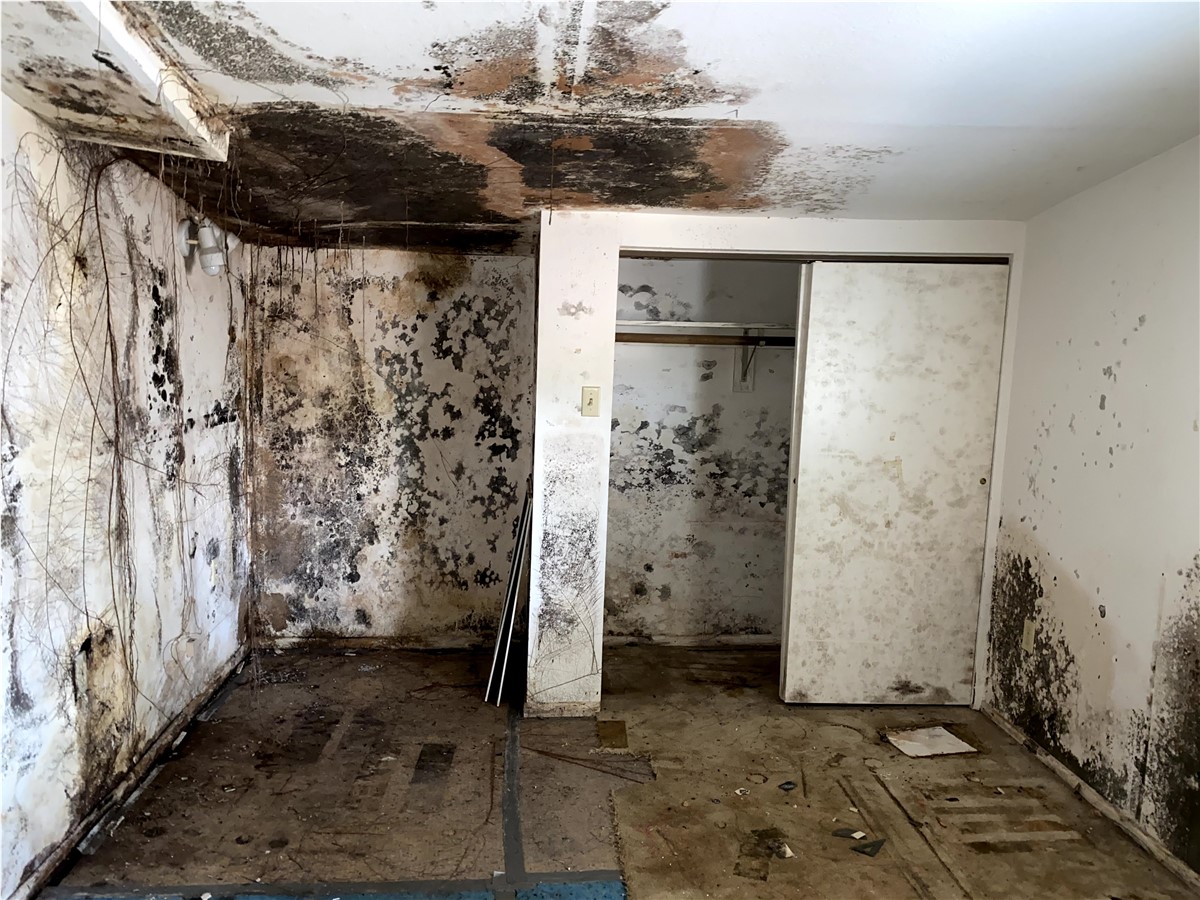
After mold remediation work is completed in a home, many Cocoa area property owners assume the problem is fully resolved. While professional cleanup and moisture correction are critical steps, there is often one final stage that provides reassurance that the job was successful: mold clearance testing, sometimes called post-remediation verification.
In Cocoa, Cocoa Beach, West Cocoa, Port St. John, Sharpes, Canaveral Groves, and throughout Brevard County, clearance testing is commonly performed after professional mold remediation to confirm indoor conditions have returned to normal.
Understanding what mold clearance testing involves and when it is recommended helps homeowners make informed decisions and avoid future mold concerns.
What Mold Clearance Testing Actually Is
Mold clearance testing is performed after mold remediation work is completed to determine whether mold contamination has been properly addressed.
The purpose is not simply to confirm that mold is gone visually, but to evaluate whether:
- Mold spores are no longer elevated indoors
- Remediated areas are properly cleaned
- Containment was effective
- Mold is not spreading through the home
- Indoor air quality has returned to normal levels
In other words, clearance testing helps confirm that remediation was successful and that the home is safe to reoccupy fully.
In Florida’s humid climate, where mold problems frequently recur if moisture remains, clearance testing offers reassurance that cleanup was completed correctly.
Why Clearance Testing Is Common in Cocoa Area Homes
Homes across Brevard County deal with frequent moisture challenges due to climate conditions.
Clearance testing is often requested because of:
High Humidity Levels
Humidity remains elevated most of the year, making mold growth easy if moisture remains after cleanup.
Storm and Leak Damage
Storms, roof leaks, and plumbing failures frequently introduce moisture into homes.
Real Estate Transactions
Home buyers and sellers often request proof that mold remediation was properly completed before closing.
Rental or Property Management Requirements
Landlords and property managers may need documentation showing mold problems were resolved.
Homeowner Peace of Mind
Many property owners simply want confirmation that their indoor air quality is back to normal.
Because mold problems are common in Cocoa area homes, clearance testing helps prevent uncertainty after remediation work.
When Mold Clearance Testing Is Recommended
Clearance testing is not required in every mold situation, but it is often helpful in certain cases.
Testing is typically recommended when:
- Mold contamination covered a large area
- Mold spread into multiple rooms
- Mold existed inside walls or attics
- Airborne mold spores were elevated
- Real estate transactions require verification
- Insurance companies request documentation
- Occupants have ongoing indoor air quality concerns
Small mold problems that are easily corrected may not require testing, but larger remediation projects often benefit from verification.
How Mold Clearance Testing Works
Clearance testing generally follows a structured process designed to evaluate both visual and air quality conditions.
Step 1: Visual Inspection After Cleanup
Before testing begins, inspectors check whether remediation appears complete.
They look for:
- Clean surfaces in remediated areas
- Removal of contaminated materials
- Proper repair of damaged materials
- No visible mold remaining
- Dry building materials
- Containment barriers removed properly
If visible contamination remains, testing is typically postponed until cleanup is complete.
Step 2: Moisture Verification
Because mold cannot grow without moisture, inspectors often check whether building materials are fully dry.
Moisture meters and thermal imaging tools help confirm:
- Walls and flooring are dry
- Leak sources have been corrected
- Humidity levels are controlled
- No hidden moisture remains
If materials are still damp, mold could return even if testing shows improvement.
Step 3: Air Sampling
Air sampling is commonly used in clearance testing.
The process typically includes:
- Collecting air samples inside the remediated area
- Collecting samples in unaffected areas
- Taking outdoor samples for comparison
- Sending samples to a laboratory for analysis
Laboratory analysis measures mold spore levels and compares indoor air to outdoor conditions.
The goal is to confirm indoor spore levels are normal and not elevated due to remaining contamination.
Step 4: Laboratory Analysis
Samples are analyzed by specialized labs that identify mold spores and measure concentrations.
Results typically determine:
- Whether indoor mold levels match outdoor conditions
- Whether spores are still elevated indoors
- Whether further cleanup may be needed
Inspectors then explain results in understandable terms for homeowners.
What Happens If Clearance Testing Passes
When testing shows acceptable conditions, homeowners gain reassurance that:
- Mold contamination was properly removed
- Airborne spores are at normal levels
- Indoor air quality has improved
- The home is safe to return to normal use
Clearance documentation may also be helpful for property sales, insurance claims, or rental property records.
Passing clearance testing means remediation efforts were successful.
What Happens If Clearance Testing Fails
Sometimes clearance testing shows elevated mold levels remain.
This can happen if:
- Cleanup was incomplete
- Hidden contamination remains
- Moisture problems persist
- Cross-contamination occurred
- HVAC systems were not properly addressed
If testing fails, additional cleaning or moisture correction may be required before retesting.
While disappointing, testing helps prevent mold from continuing unnoticed.
Why DIY Clearance Testing Can Be Misleading
Homeowners sometimes use store-bought mold test kits to check conditions after remediation. Unfortunately, these kits rarely provide reliable guidance.
DIY kits often:
- Detect mold spores that are normally present
- Lack professional interpretation
- Fail to identify contamination sources
- Create confusion rather than clarity
Professional clearance testing compares indoor and outdoor conditions and evaluates overall remediation success.
Without expert interpretation, results can be misleading.
Why Moisture Correction Matters More Than Testing Alone
Clearance testing confirms conditions at the time of testing, but long-term success depends on moisture control.
If leaks or humidity problems return, mold can regrow even after passing clearance testing.
Successful long-term results require:
- Leak repairs
- Proper ventilation
- Controlled humidity
- AC maintenance
- Regular home inspections
Moisture management prevents mold from returning.
How Cocoa Area Homeowners Can Prevent Future Mold Problems
Prevention remains the best long-term protection against mold.
Helpful steps include:
- Fixing plumbing leaks immediately
- Maintaining roofs and gutters
- Servicing AC systems regularly
- Keeping indoor humidity below about 55%
- Ventilating bathrooms and laundry rooms
- Inspecting attics after storms
- Using dehumidifiers when needed
- Monitoring areas with past water damage
Routine maintenance prevents many mold problems from developing.
Why Local Experience Matters for Clearance Testing
Local professionals understand how Florida’s environment affects mold risks differently than other regions.
Professionals familiar with Cocoa and Brevard County homes understand:
- Typical storm intrusion patterns
- Common ventilation issues
- AC condensation problems
- Construction styles in local homes
- Areas where mold commonly develops
Local expertise helps ensure accurate evaluations and lasting solutions.
Companies like Cocoa Mold Removal often work with inspectors to help homeowners verify successful remediation and prevent future mold issues.
A Calm Next Step for Cocoa Area Property Owners
Mold remediation can feel stressful, and homeowners naturally want confirmation that cleanup was successful. Mold clearance testing provides reassurance that indoor conditions have returned to normal.
Not every mold situation requires clearance testing, but in larger contamination cases or real estate transactions, it offers peace of mind and helpful documentation.
For homeowners in Cocoa and surrounding Brevard County communities, addressing moisture problems and confirming remediation success helps keep homes comfortable and protected in Florida’s humid environment.
If uncertainty remains after remediation, professional clearance testing can provide clarity and help ensure your home is ready to move forward mold-free.