
Mold Behind Walls in Brevard County: What Cocoa Area Property Owners Should Know
Mold behind walls is one of the most serious and hardest-to-detect mold problems facing property owners across Brevard County. Unlike mold that appears on ceilings, bathrooms, or visible surfaces, wall mold develops out of sight, often spreading extensively before anyone realizes there is a problem. By the time warning signs appear, the damage is frequently far more advanced—and far more expensive—than expected.
For Cocoa area property owners, mold behind walls is not just a maintenance issue. It is a structural, air quality, and health concern that can affect the entire building. Florida’s humid climate, frequent storms, plumbing systems hidden inside walls, and long air-conditioning seasons make Brevard County homes especially vulnerable to hidden wall mold.
This guide explains why mold behind walls is so common in Brevard County, how it develops, how to recognize warning signs, where it typically spreads, and what responsible property owners should do to protect health and property value.
Why Mold Behind Walls Is So Common in Brevard County
Brevard County’s environment creates nearly perfect conditions for mold to grow inside wall cavities.
Key local factors include:
- High year-round humidity
- Heavy rain and storm-driven moisture
- Hurricanes and tropical systems
- Plumbing lines routed through walls
- Air-conditioning condensation
- Aging building materials
- Delayed drying after water damage
Walls hide moisture extremely well. When water enters a wall cavity—from leaks, condensation, or storm intrusion—it can remain trapped for weeks or months, allowing mold to grow undetected.
How Mold Develops Behind Walls
Mold behind walls almost always starts with moisture that cannot escape.
Mold can begin growing when:
- Water leaks into drywall or insulation
- Condensation forms on cold pipes inside walls
- Wind-driven rain penetrates siding or windows
- Flooding or water damage is not fully dried
- HVAC condensation affects wall cavities
Once moisture is present, mold can begin growing within 24–48 hours. Because walls block airflow and light, mold often spreads rapidly before becoming visible.
Common Causes of Mold Behind Walls
Hidden wall mold is rarely caused by a single event. In Brevard County, it often results from ongoing or repeated moisture exposure.
Plumbing Leaks
Slow leaks from supply lines, drain pipes, or fittings inside walls are the leading cause of mold behind walls. These leaks often go unnoticed until mold is widespread.
Roof Leaks and Storm Damage
Small roof leaks allow water to travel down inside walls without leaving obvious stains at first.
Window and Door Leaks
Improperly sealed windows and doors allow rainwater to enter wall cavities during storms.
Flooding and Water Intrusion
Even minor flooding can saturate drywall and insulation, leading to mold growth behind walls if drying is incomplete.
HVAC Condensation
Cold refrigerant lines or ductwork inside walls can sweat in humid conditions, introducing moisture.
Poor Exterior Drainage
Water pooling near foundations can seep into walls from below.
Where Mold Commonly Grows Inside Walls
Mold behind walls does not grow randomly. It tends to appear in predictable locations.
Behind Bathrooms and Kitchens
Walls containing plumbing are especially vulnerable due to frequent water use and hidden pipes.
Exterior Walls
Wind-driven rain and temperature differences increase condensation risk on exterior walls.
Around Windows and Doors
Leaks around frames allow moisture to enter wall cavities.
Below Rooflines
Water from roof leaks often travels downward inside walls.
Near HVAC Chases
Wall cavities containing ductwork or refrigerant lines are prone to condensation-related mold.
Why Mold Behind Walls Is Often Worse Than It Looks
When mold finally becomes visible on a wall surface, it usually means the problem is already extensive.
Hidden wall mold is often worse because:
- Growth occurs over large surface areas
- Insulation becomes contaminated
- Structural framing is affected
- Mold spreads vertically and horizontally
- Indoor air quality is impacted long before detection
In many Brevard County homes, visible mold is only the “tip of the iceberg.”
Health Effects of Mold Behind Walls
Mold behind walls continuously releases spores into indoor air, even when it cannot be seen.
Common health symptoms include:
- Sneezing, congestion, and itchy eyes
- Persistent coughing or throat irritation
- Headaches and fatigue
- Worsening asthma symptoms
- Allergy-like reactions indoors
Children, older adults, and individuals with asthma, allergies, or compromised immune systems are especially vulnerable.
A major warning sign is symptoms improving when occupants leave the home, which often points to hidden mold.
Signs That Mold May Be Growing Behind Walls
Because wall mold is hidden, property owners must rely on indirect warning signs.
Common indicators include:
- Persistent musty or earthy odors
- Bubbling, peeling, or discolored paint
- Warped or soft drywall
- Recurring water stains
- Increased allergy or respiratory symptoms
- Unexplained humidity issues
- Mold repeatedly returning on wall surfaces
Any of these signs should prompt further investigation.
Why Mold Behind Walls Is Often Missed
Hidden wall mold frequently goes undetected because:
- There is no visible mold initially
- Odors may be faint at first
- Symptoms resemble seasonal allergies
- Walls conceal moisture effectively
- Standard cleaning does not address the source
Many Brevard County homeowners only discover wall mold during renovations, inspections, or major repairs.
Why DIY Solutions Cannot Fix Mold Behind Walls
Mold behind walls cannot be solved with surface cleaning.
DIY approaches fail because:
- Mold roots remain inside walls
- Moisture sources are not addressed
- Spores spread during improper cleaning
- Hidden insulation stays contaminated
Cutting into walls without proper containment can also spread mold throughout the home.
How Professionals Detect Mold Behind Walls
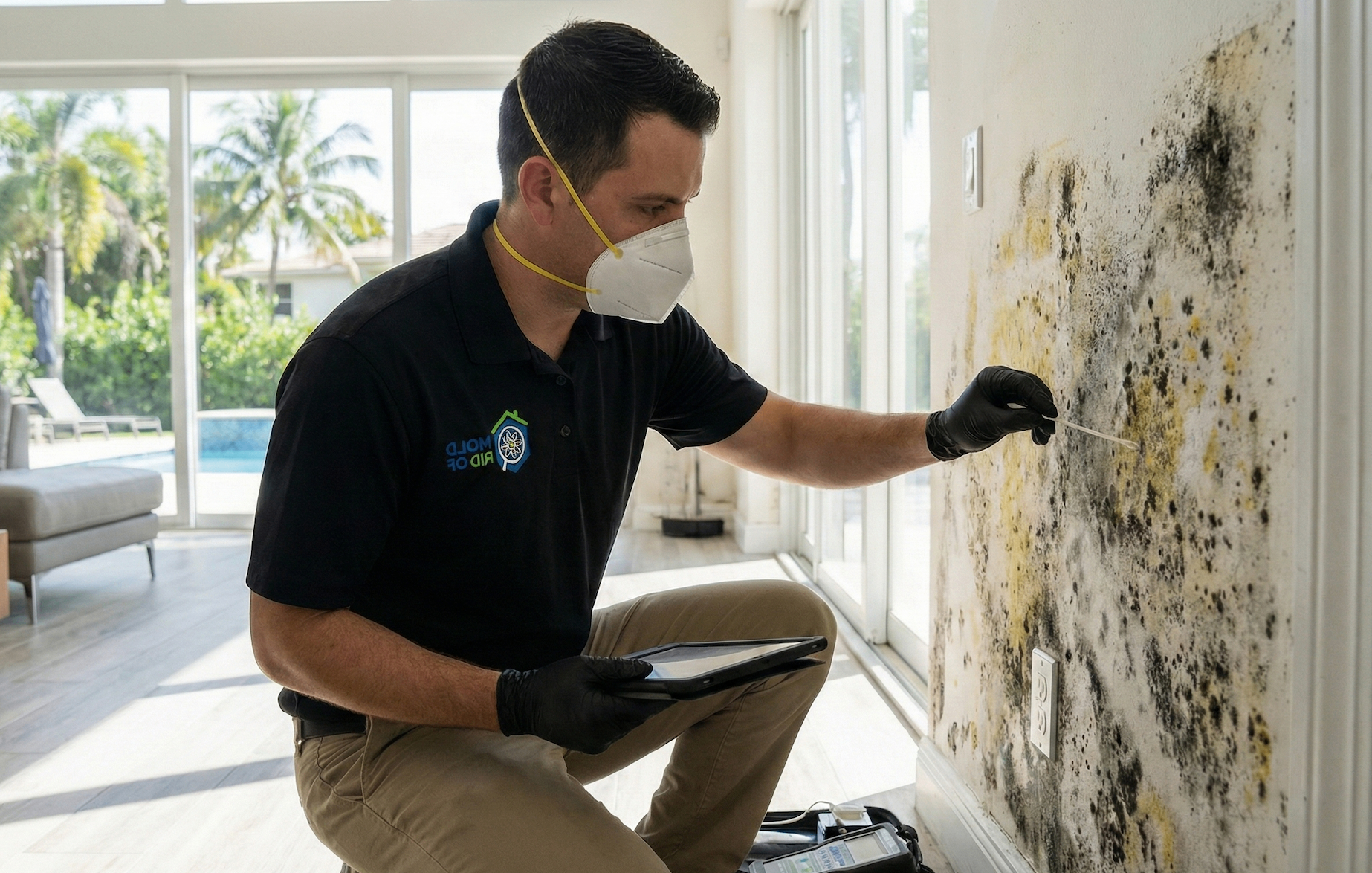
Professional mold detection focuses on identifying hidden moisture and contamination without unnecessary demolition.
Detection methods may include:
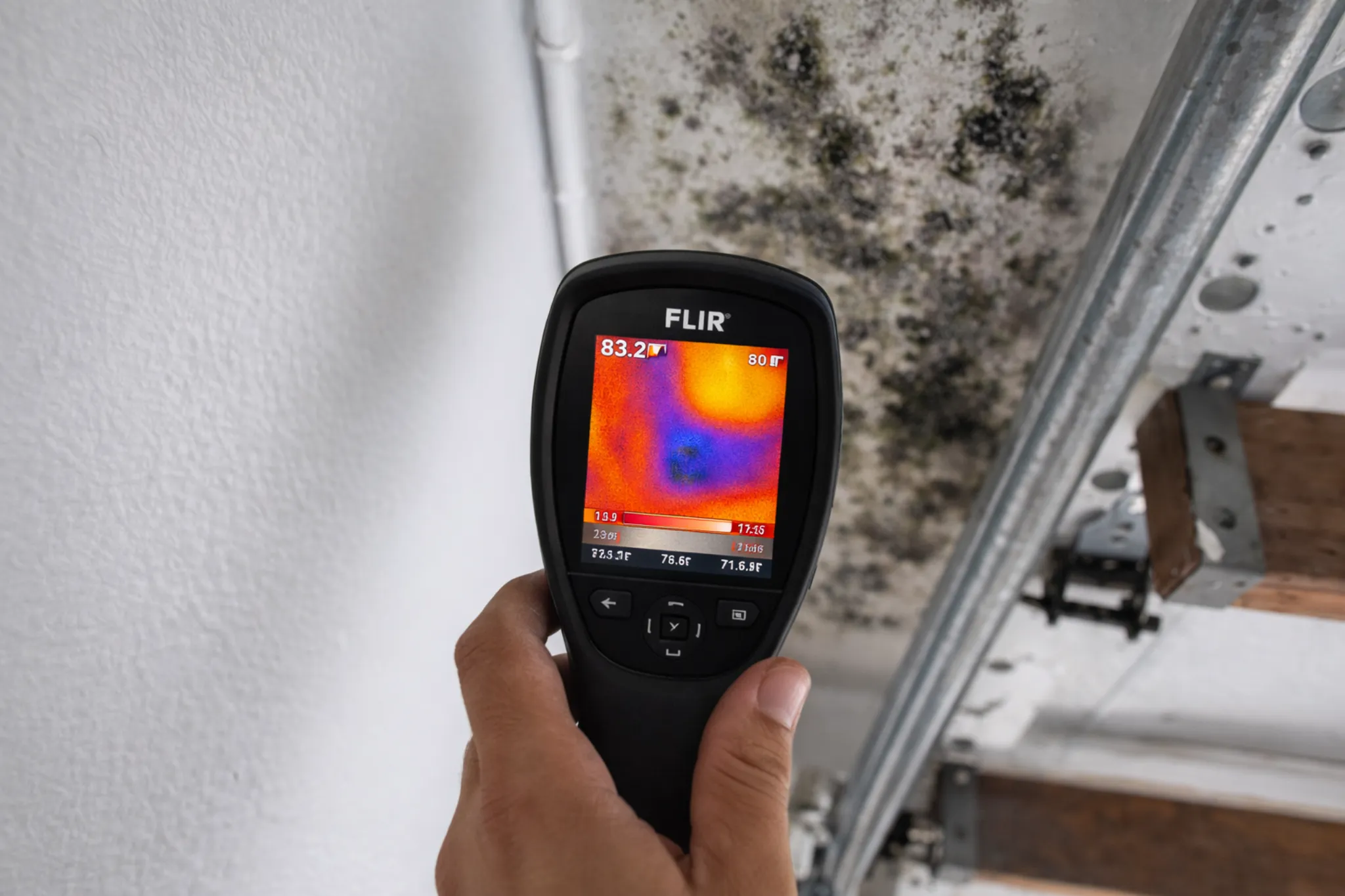
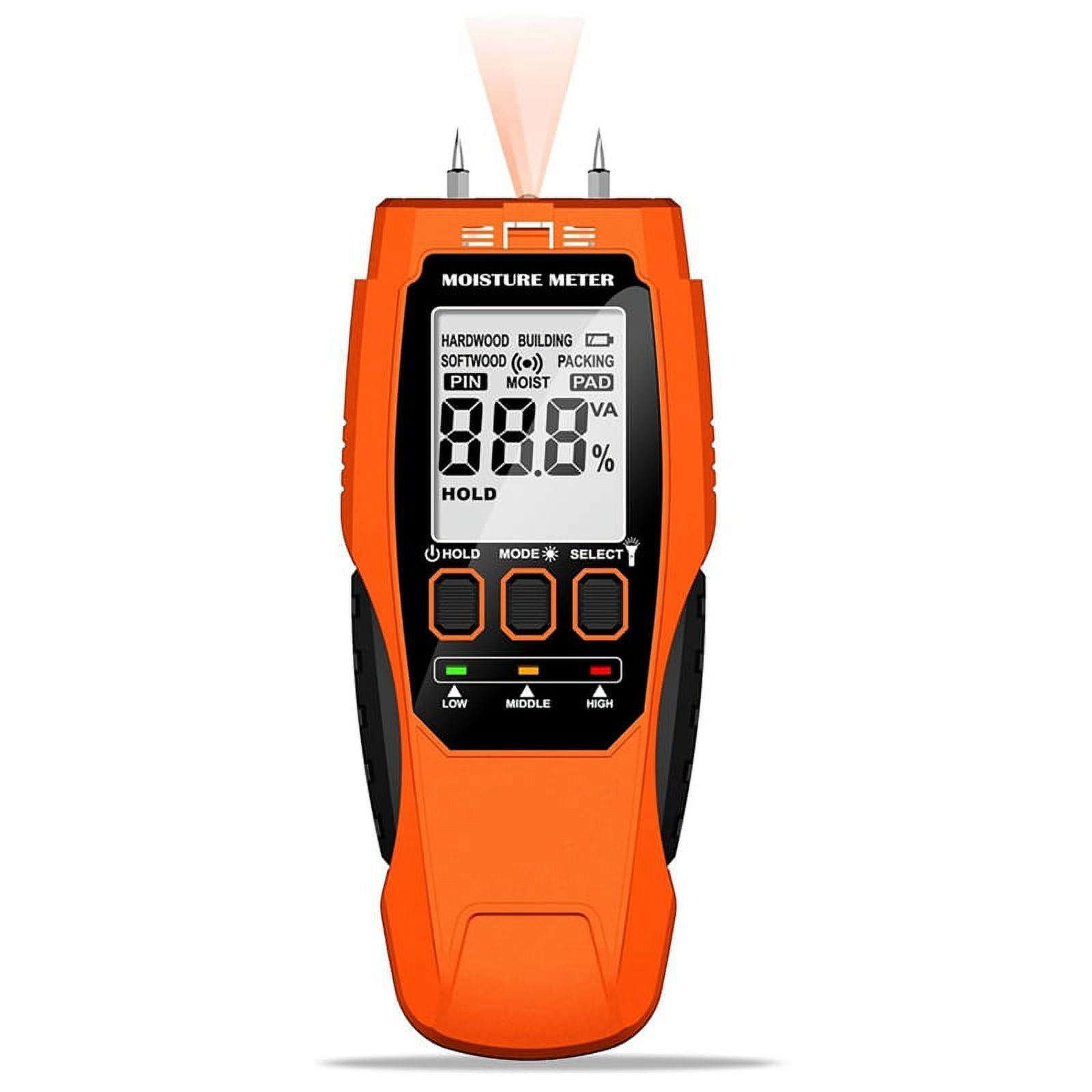
- Moisture meters to locate damp drywall
- Infrared thermal imaging to detect hidden moisture
- Air sampling to identify elevated mold spores
- Targeted surface sampling
- HVAC and ventilation assessments
These tools allow accurate diagnosis while minimizing damage.

What Mold Remediation Behind Walls Involves
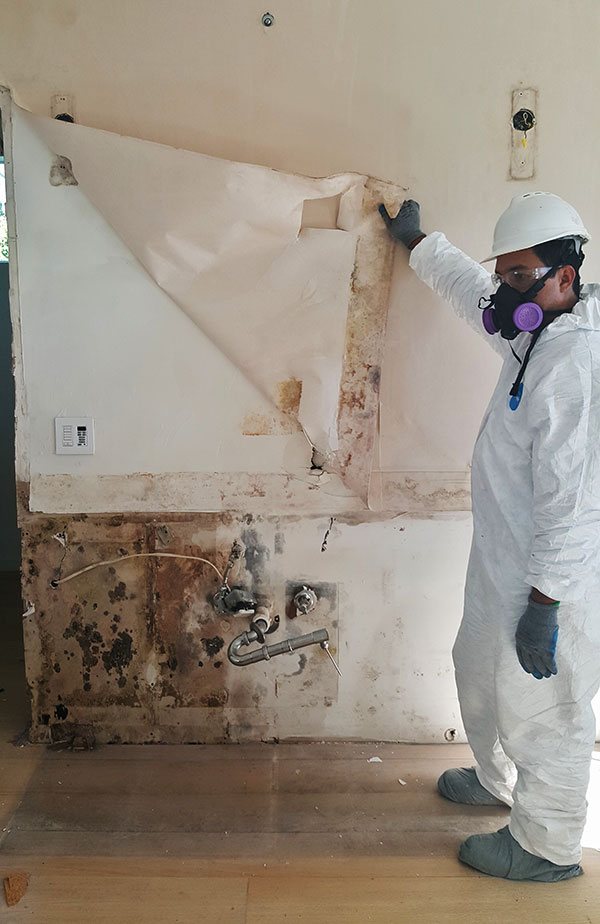
When mold behind walls is confirmed, remediation focuses on removal and moisture correction.
Typical steps include:
- Identifying affected wall sections
- Containing work areas to prevent spore spread
- Removing contaminated drywall and insulation
- Cleaning and treating framing materials
- Correcting leaks or moisture sources
- Drying wall cavities thoroughly
- Verifying mold control before repairs
Wall mold remediation is often more involved than surface mold cleanup—but it prevents far greater damage.
Cost Risks of Ignoring Mold Behind Walls
Hidden wall mold becomes extremely expensive when ignored.
Potential costs include:
- Extensive drywall removal
- Insulation replacement
- Structural wood repairs
- HVAC contamination cleanup
- Whole-home mold remediation
Early detection can reduce costs dramatically.
Mold Behind Walls in Rental and Multi-Unit Properties
For landlords and property managers, hidden wall mold presents significant liability risks.
Unchecked mold behind walls can lead to:
- Tenant health complaints
- Habitability disputes
- Insurance claim complications
- Costly multi-unit remediation
- Legal exposure
Routine inspections and prompt response to leaks are essential in rental properties.
Preventing Mold Behind Walls in Brevard County
Because humidity and storms are unavoidable, prevention focuses on moisture control.
Fix Leaks Immediately
Even minor plumbing or roof leaks should be treated as urgent.
Control Indoor Humidity
Maintain indoor humidity between 30% and 50%.
Inspect After Storms
Check for water intrusion after heavy rain or hurricanes.
Maintain Plumbing and Roofing
Regular inspections reduce hidden leak risks.
Seal Exterior Openings
Ensure windows, doors, and siding are properly sealed.
Schedule Periodic Inspections
Professional moisture inspections help detect hidden problems early.
Long-Term Management of Hidden Wall Mold Risks
Managing mold behind walls requires ongoing vigilance.
Effective long-term strategies include:
- Preventive maintenance programs
- Routine moisture monitoring
- Prompt response to any water damage
- Professional evaluations when symptoms appear
Homes that stay proactive experience fewer mold problems and healthier indoor air.
Final Thoughts for Cocoa Area Property Owners
Mold behind walls in Brevard County is one of the most damaging and underestimated mold threats property owners face. Because it develops silently and spreads unseen, it often causes extensive damage before discovery.
By understanding how wall mold develops, recognizing early warning signs, and addressing moisture problems promptly, Cocoa area property owners can protect indoor air quality, preserve property value, and avoid costly repairs.
In Florida’s humid climate, what you can’t see behind your walls can hurt your home just as much as what you can—and proactive moisture control is the strongest defense against hidden mold.