Is Mold Dangerous in Cocoa: What Cocoa Area Property Owners Should Know
Mold is a common concern for property owners in Cocoa, but many people are unsure how dangerous it really is. Some homeowners panic at the first sign of mold, while others dismiss it as a cosmetic issue. The truth sits somewhere in between. Mold is not always an emergency, but it should never be ignored—especially in Florida’s warm, humid climate.
Understanding when mold is dangerous and why it matters helps Cocoa-area property owners protect both their homes and the people living inside them.
Why Mold Is Common in Cocoa Homes
Cocoa’s climate creates ideal conditions for mold growth. High humidity, frequent rain, and heavy air-conditioning use allow moisture to linger indoors. Mold spores are naturally present in the air, but when moisture levels rise, those spores can settle and grow.
Mold commonly develops from:
- Roof or plumbing leaks
- AC condensation
- High indoor humidity
- Poor ventilation
- Storm-related moisture
Once moisture is present, mold growth can begin quickly.
How Mold Affects Indoor Air Quality
Mold reproduces by releasing spores into the air. These microscopic particles circulate through living spaces and HVAC systems, lowering indoor air quality.
Poor indoor air quality caused by mold can lead to:
- Persistent musty odors
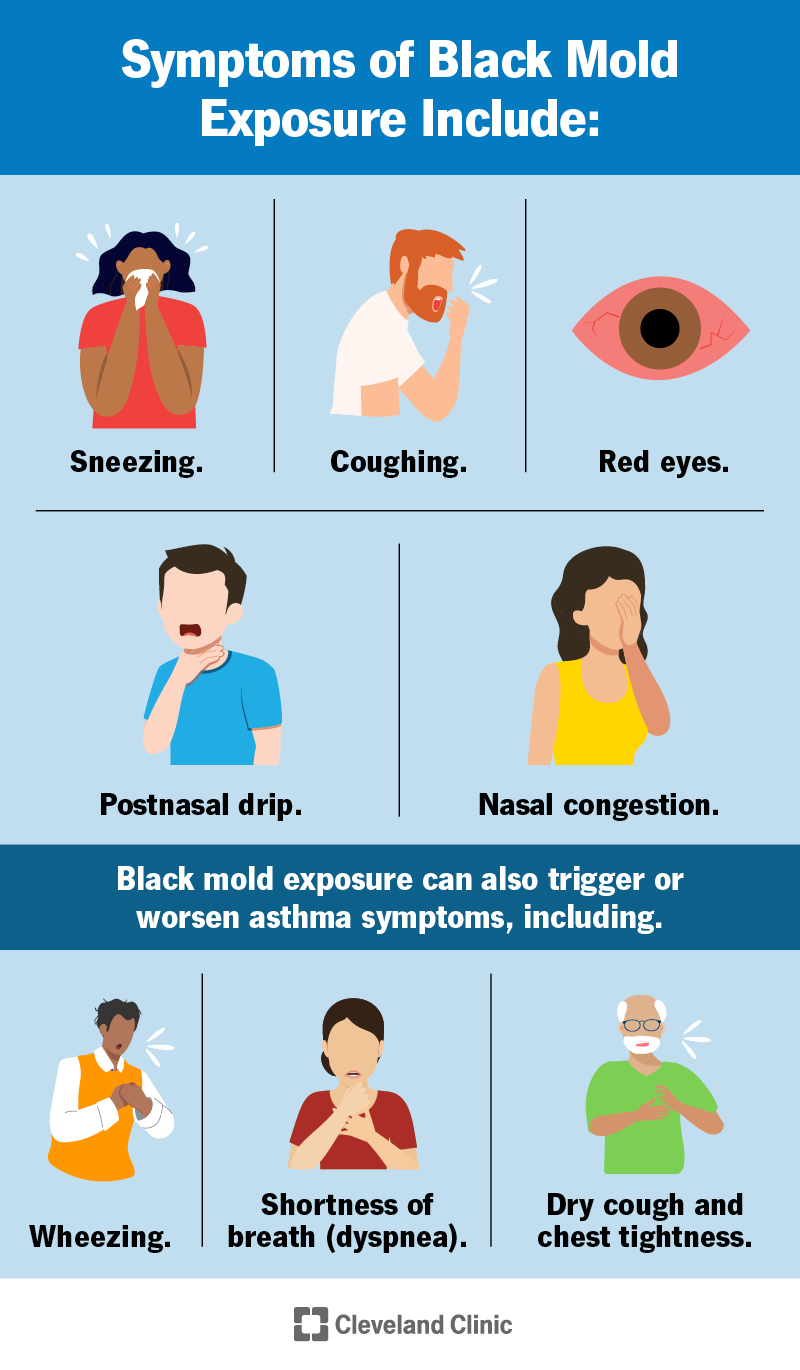
- Irritated eyes, nose, and throat
- Increased allergy symptoms
- Difficulty breathing for sensitive individuals
Even when mold is hidden, its spores can still affect occupants.
Health Effects Linked to Mold Exposure
Not everyone reacts to mold the same way. Some people experience mild symptoms, while others are more sensitive.
Common health complaints include:
- Sneezing and nasal congestion
- Coughing or throat irritation
- Headaches and fatigue
- Skin irritation
- Worsening asthma symptoms
Children, elderly individuals, and people with asthma or weakened immune systems are more likely to experience stronger reactions.
Is All Mold Dangerous?
Not all mold poses the same level of risk. Some molds primarily cause irritation or allergic responses, while others can trigger more serious symptoms when exposure is prolonged.
The danger of mold depends on:
- The amount of mold present
- How long exposure lasts
- Where mold is growing
- Indoor air quality
- Occupant sensitivity
Even mold considered “common” can become a problem if growth is extensive or ongoing.
Hidden Mold Can Be More Concerning
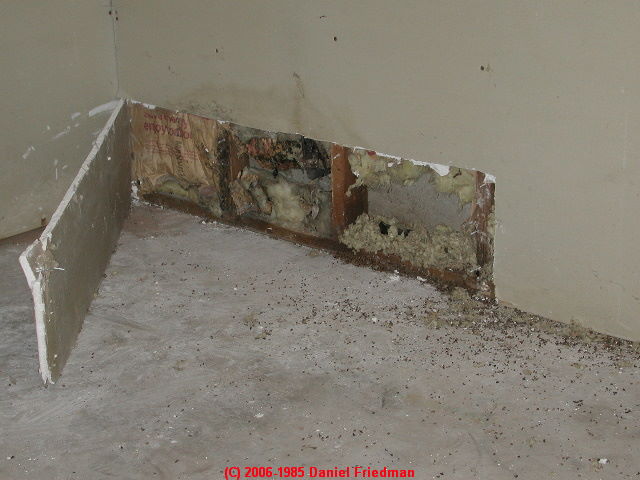
Hidden mold often presents a greater risk than visible surface growth. When mold grows inside walls, attics, crawl spaces, or HVAC systems, spores are continuously released into the air without obvious warning signs.
Hidden mold may exist when:
- Musty odors persist
- Allergies worsen indoors
- Mold keeps returning after cleaning
- Water damage has occurred
Because hidden mold is harder to detect, exposure can continue for long periods.
Why Ignoring Mold Makes It More Dangerous
Mold problems rarely stay the same. Over time, mold growth tends to:
- Spread to new areas
- Penetrate deeper into materials
- Increase spore levels indoors
- Damage building materials
The longer mold is ignored, the greater the potential impact on both health and property.
Mold and Structural Damage
Beyond health concerns, mold can weaken building materials. Mold feeds on organic materials such as wood, drywall, and insulation.
Long-term mold growth can cause:
- Warped walls and ceilings
- Rotted wood framing
- Damaged flooring
- Compromised insulation
Structural damage increases repair costs and reduces property value.
When Mold Becomes a Serious Concern
Mold should be taken seriously when:
- Large areas are affected
- Mold keeps returning
- Odors persist despite cleaning
- Occupants experience ongoing symptoms
- Water damage or flooding has occurred
These situations often indicate a deeper problem that requires professional evaluation.
Why DIY Cleanup Can Increase Risk
Scrubbing mold without proper precautions can release spores into the air, increasing exposure and spreading contamination to other areas of the home.
DIY cleanup often:
- Fails to remove hidden mold
- Does not address moisture sources
- Causes mold to spread
- Leads to recurring problems
This can make mold more dangerous over time.
How Cocoa Property Owners Can Reduce Mold Risk
Reducing mold danger starts with moisture control.
Effective steps include:
- Fixing leaks promptly
- Keeping indoor humidity below 55%
- Maintaining HVAC systems
- Using exhaust fans in bathrooms and kitchens
- Monitoring areas prone to moisture
Early action limits mold growth and exposure.
When Professional Help Is Recommended
Professional evaluation is recommended when mold growth is extensive, hidden, or recurring. A proper assessment identifies:
- The extent of contamination
- Moisture sources
- Air quality concerns
- Safe next steps
Professional guidance helps protect both health and property.
Understanding Mold Risk in Cocoa Homes
Mold is not always immediately dangerous, but it becomes a serious problem when ignored. In Cocoa’s climate, moisture issues rarely resolve on their own. Addressing mold early helps maintain healthier indoor air, prevents structural damage, and protects the long-term value of the property.
Knowing when mold is dangerous empowers Cocoa-area property owners to respond correctly and avoid long-term consequences.