Mold After Water Damage in West Cocoa: What Cocoa Area Property Owners Should Know
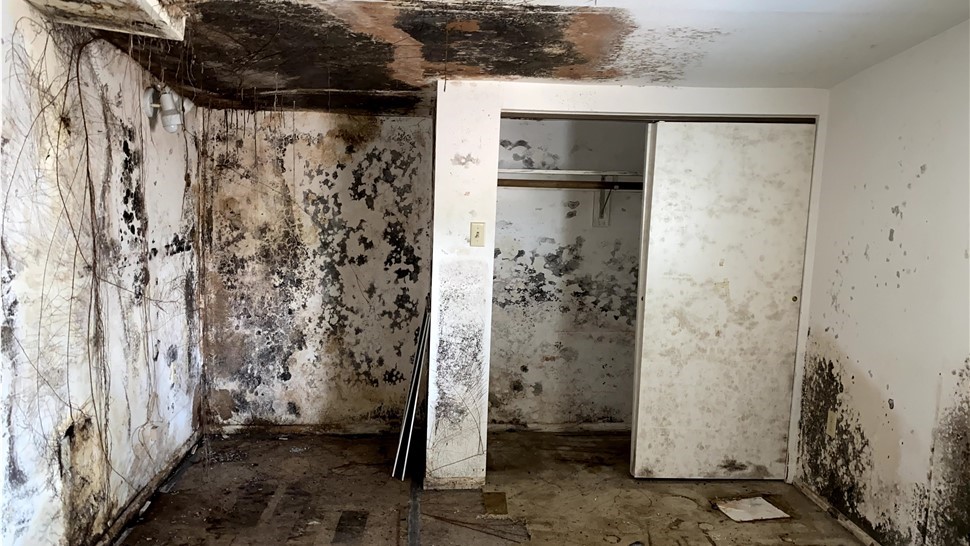
Water damage in West Cocoa doesn’t have to look dramatic to cause serious problems. Even small leaks, AC overflows, or rain intrusion can trigger mold growth within days. In Brevard County’s humid climate, drying alone often isn’t enough—mold can take hold before damage is visible.
Here’s what Cocoa-area property owners should know about why mold follows water damage, where it hides, and how to stop it before repairs get expensive.
💧 Why Mold Forms So Quickly After Water Damage
Mold needs just three things: moisture, organic material, and time. After water damage in West Cocoa, all three are usually present:
- High ambient humidity slows drying
- Porous materials (drywall, wood, carpet) absorb moisture
- Warm temperatures accelerate growth
In many cases, mold can begin growing within 24–48 hours if moisture isn’t fully removed.
🌧️ Common Sources of Water Damage That Lead to Mold
Mold after water damage is frequently linked to:
- AC drain line backups or air-handler leaks
- Minor roof or flashing leaks during storms
- Plumbing leaks under sinks or behind walls
- Overflowing tubs, toilets, or washing machines
- Wind-driven rain entering around windows or doors
- Wet building materials from delayed drying
You don’t need standing water—persistent dampness is enough.
📍 Where Mold Commonly Hides After Water Damage
Professional inspections in West Cocoa often find mold in:
- Behind drywall and baseboards
- Under vinyl, laminate, or carpeted flooring
- Inside wall cavities near plumbing lines
- HVAC systems (air handlers, coils, drain pans, ductwork)
- Closets and storage rooms with poor airflow
- Cabinets under sinks or near appliances
These areas can appear dry while moisture and mold remain trapped inside.
⚠️ Warning Signs After Water Damage
After any water event, watch for:
- Musty or damp odors
- Paint bubbling or peeling
- Warped baseboards or flooring
- Condensation lingering on vents or windows
- Increased allergy or asthma symptoms indoors
If odors persist after drying, mold may already be present.
🧪 Drying vs. Mold Prevention (Why Timing Matters)
Drying is critical—but drying alone doesn’t guarantee mold prevention.
Problems arise when:
- Drying starts too late
- Moisture is trapped behind walls or under floors
- Humidity stays high during drying
- HVAC systems spread spores unknowingly
That’s why post–water damage inspections are so important in West Cocoa.
🛠️ How Professionals Address Mold After Water Damage
A proper response focuses on assessment, containment, and prevention:
1) Moisture & Damage Assessment
- Moisture mapping to find wet materials
- Identification of hidden damp areas
2) Controlled Drying
- Dehumidification to lower indoor humidity
- Air movement targeted—not random fans
3) Mold Inspection & Testing (When Needed)
- Confirm whether mold is present
- Determine the scope before repairs
4) Remediation (If Mold Is Found)
- Containment to prevent spore spread
- Removal of contaminated porous materials
- HEPA vacuuming and cleaning
- Moisture source correction
5) Verification
- Post-remediation inspection or testing
- Documentation confirming safe conditions
This sequence prevents recurring problems.
🧼 Why DIY Cleanup After Water Damage Often Fails
Common mistakes include:
- Drying visible surfaces only
- Painting over stains
- Using household cleaners instead of containment
- Running the AC without dehumidification
These steps may hide symptoms—but don’t stop mold growth behind walls or floors.
🧠 Health Risks If Mold Is Left Unaddressed
Mold exposure after water damage can contribute to:
- Allergy flare-ups
- Asthma symptoms
- Chronic coughing or sinus irritation
- Headaches and fatigue
Children, seniors, and those with respiratory conditions are especially vulnerable.
📄 Insurance, Repairs, and Documentation
After water damage:
- Insurance often requires prompt mitigation
- Delays can limit coverage
- Mold-related repairs may be questioned without documentation
Professional inspections, moisture readings, and reports protect homeowners during claims and repairs.
🏡 Extra Risk for Vacant or Seasonal Homes
Homes that sit empty after water damage are at higher risk because:
- AC systems run less
- Humidity rises quickly
- Problems go unnoticed
Even short vacancies can allow mold to establish.
💸 The Cost of Waiting After Water Damage
Delaying action can result in:
- Larger mold remediation scopes
- Flooring, drywall, or HVAC replacement
- Extended displacement from the home
- Failed inspections or reduced resale value
Early intervention costs far less than late repairs.
🧯 What to Do Immediately After Water Damage
- Stop the water source if possible
- Begin controlled drying promptly
- Avoid disturbing wet materials unnecessarily
- Schedule a professional inspection
- Address humidity and moisture sources
- Keep photos, readings, and reports
Speed and accuracy matter.
🛡️ Preventing Mold After Water Damage Long-Term
After repairs:
- Keep indoor humidity below 50%
- Maintain HVAC drain lines and airflow
- Use dehumidifiers during humid months
- Inspect after storms and heavy rain
- Schedule periodic professional inspections
Prevention is ongoing—not one-and-done.
🧠 Final Thoughts for Cocoa Area Property Owners
In West Cocoa, mold after water damage is common—but preventable. Property owners who avoid long-term issues are the ones who:
✔ Act quickly after water events
✔ Look beyond visible damage
✔ Use professional moisture and mold evaluations
✔ Fix sources—not just surfaces
✔ Verify conditions before moving on
Handled correctly, water damage doesn’t have to turn into a mold problem. Ignored or rushed, it almost always does.
For West Cocoa and the surrounding Cocoa area, understanding mold after water damage is essential to protecting health, property value, and peace of mind.
If you’d like, I can also create a West Cocoa post–water damage mold checklist or a drying vs. remediation decision guide tailored to your home or rental property.