Hidden Mold in Cocoa Beach: What Cocoa Area Property Owners Should Know
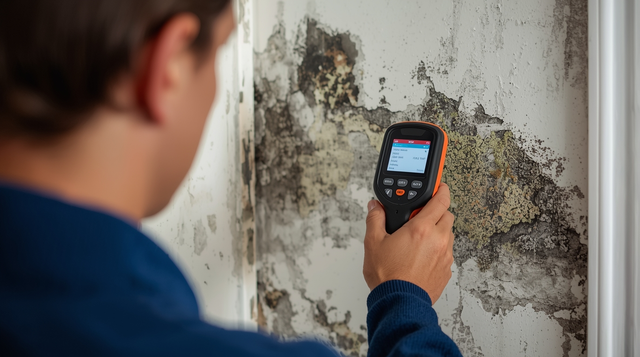
Owning property in Cocoa Beach means salt air, ocean breezes—and a higher risk of hidden mold. Along the coast, mold doesn’t always show itself as dark spots on a wall. More often, it grows out of sight, fueled by humidity, condensation, and wind-driven rain. By the time it becomes visible, it’s usually been there a while.
Here’s what Cocoa-area property owners should know about where hidden mold hides, why it’s so common near the beach, and how to catch it before it becomes expensive.
🌊 Why Hidden Mold Is So Common in Cocoa Beach
Coastal conditions make Cocoa Beach homes uniquely vulnerable:
- High year-round humidity that slows drying
- Salt air that attracts and holds moisture on surfaces
- Wind-driven rain forced into small gaps around windows and doors
- Heavy AC use, creating condensation inside walls and ducts
- Seasonal occupancy, especially in rentals and second homes
Hidden mold doesn’t need flooding—persistent dampness is enough.
🏠 Where Hidden Mold Is Most Often Found
Professional inspections in Cocoa Beach frequently uncover hidden mold in:
- Behind exterior-facing walls and around sliders
- Under vinyl or laminate flooring and baseboards
- Inside HVAC systems (air handlers, coils, drain pans, ductwork)
- Bathrooms behind showers or under vanities
- Kitchens under sinks and behind appliances
- Closets and spare rooms with limited airflow
- Drop ceilings or soffits beneath roof lines
These areas can look clean while mold grows quietly behind them.
⚠️ Subtle Signs of Hidden Mold You Shouldn’t Ignore
Hidden mold often announces itself indirectly:
- Musty odors that come and go
- Condensation on vents, windows, or glass doors
- Paint bubbling or baseboards warping
- Increased allergy or asthma symptoms indoors
- A home that smells “damp” after being closed up
If symptoms improve when you leave the house, hidden mold is worth investigating.
🧠 Why Hidden Mold Is Easy to Miss
Hidden mold goes unnoticed because:
- Surfaces appear clean and dry
- Odors fluctuate with humidity and weather
- Symptoms resemble seasonal allergies
- Growth occurs inside walls or HVAC systems
In Cocoa Beach’s climate, mold can remain active year-round without obvious clues.
🧪 How Hidden Mold Is Properly Identified
Because you can’t see it, professional evaluation is key. This often includes:
- Moisture mapping inside walls, ceilings, and floors
- Humidity measurements to spot problem zones
- Targeted air or surface sampling (when appropriate)
- HVAC inspection where spores commonly circulate
This approach confirms whether hidden mold is present—and where.
🧼 Why Surface Cleaning Doesn’t Solve Hidden Mold
Cleaning visible areas may improve appearance, but it:
- Doesn’t reach growth behind walls or flooring
- Doesn’t stop spores released from HVAC systems
- Doesn’t correct moisture or condensation
Hidden mold continues to affect indoor air quality until the source is addressed.
🛠️ How Professionals Handle Hidden Mold
Effective remediation focuses on access, containment, and prevention:
- Locate the moisture source (leaks, condensation, humidity)
- Contain affected areas to prevent spore spread
- Remove contaminated materials safely when needed
- Clean and treat remaining structures
- Verify clearance before re-occupancy
- Implement moisture control to prevent return
Skipping steps almost guarantees recurrence.
🏡 Extra Risk for Rentals & Seasonal Homes
Cocoa Beach rentals and second homes are especially vulnerable because:
- AC systems are turned off or set too high
- Humidity spikes quickly indoors
- Rooms remain closed for weeks
Hidden mold often develops between guest stays, then shows up as odors or complaints.
💸 How Hidden Mold Affects Property Value
Undetected hidden mold can lead to:
- Failed inspections during sale
- Buyer hesitation or price reductions
- Insurance complications after leaks
- Costly tear-outs once discovered
Early detection protects both value and leverage.
✅ How Cocoa Beach Property Owners Can Reduce Risk
✔ Keep indoor humidity below 50%
✔ Run AC consistently—even when away
✔ Use exhaust fans in bathrooms and kitchens
✔ Inspect after storms and heavy rain
✔ Address small leaks immediately
✔ Schedule periodic professional inspections
✔ Keep documentation for resale or insurance
Consistency is the best defense.
🧠 Final Thoughts for Cocoa Area Property Owners
In Cocoa Beach, hidden mold is far more common than visible mold. The owners who avoid major problems are the ones who:
✔ Understand mold can be invisible
✔ Take odors and symptoms seriously
✔ Control humidity year-round
✔ Use professional inspections proactively
✔ Fix moisture sources—not just stains
Handled early, hidden mold can be managed quietly and affordably. Ignored, it often becomes a disruptive—and expensive—surprise.
For Cocoa Beach and the surrounding Cocoa area, understanding hidden mold is essential to protecting indoor air quality, property value, and peace of mind.
If you’d like, I can also create a Cocoa Beach hidden-mold inspection checklist or a coastal moisture-control plan tailored to your home or rental.